

The Rise of Narrative Dining
Every time I step through a restaurant door, I feel like I’m entering a chapter of a book I didn’t know I’d been waiting to read, and that sensation has only intensified as chefs across the globe have begun to treat each course as a paragraph in a larger story that unfolds on the plate; the shift from mere sustenance to immersive storytelling is reshaping how we define a “great meal,” and I find myself cataloguing each nuance with the same curiosity I once reserved for novels; this emerging paradigm is not just a fleeting fad, but a deliberate, purpose‑driven evolution that invites diners to become active participants in a culinary narrative.
Chef as Storyteller
When I sat down at a minimalist table overlooking a bustling open kitchen, the chef approached me not with a menu, but with a sketch of the evening’s theme, explaining that tonight’s dishes would echo the rhythm of a sunrise over a coastal town, and I was instantly drawn into a world where flavors were punctuation marks and plating was the visual grammar that bound the tale together; this approach mirrors the insights I explored in The Art of Storytelling on the Fine‑dining Plate, where the author argues that the chef’s intent is the invisible thread that stitches together sight, scent, and taste; as I tasted the first bite—a citrus‑kissed scallop that sang of sea breezes—I realized that the chef’s narrative was as deliberate as a writer’s first line, setting tone and expectation for what was to come.
Multi‑Sensory Layers
What truly makes these experiences unforgettable is the deliberate layering of senses, each element designed to echo the story’s emotional arc, and I often find myself mapping the progression of a meal much like I would a film’s three‑act structure, with an opening that intrigues, a middle that deepens, and a climax that satisfies; the chefs orchestrate this by carefully selecting ingredients that not only taste harmonious but also look vibrant, sound resonant, and release aromas that transport you to distant memories, as illustrated by the following sensory checklist:
- Visual cues: color contrast, plate geometry, and garnish placement that hint at the dish’s origin.
- Aural moments: the gentle crackle of a caramelized shell or the subtle sizzle of a butter‑basted fish that adds a rhythmic pulse.
- Olfactory triggers: scented herbs or smoked wood that evoke nostalgia before the first bite.
- Textural contrast: crisp versus silky components that mirror narrative tension and release.
Why Storytelling Resonates
Beyond the artistry, the reason storytelling on the plate resonates so deeply is rooted in human psychology; we are wired to remember stories far better than raw data, and when a dish tells a story, it creates a mental anchor that turns a fleeting flavor into a lasting memory, a principle I’ve witnessed time and again in the bustling eateries I chronicle in Savoring Stories: My Journey Through the Best Restaurants, where each memorable bite is linked to an emotion, a place, or a moment that replays in my mind long after the check is paid; this emotional tether not only fuels repeat visits but also sparks word‑of‑mouth buzz that spreads the restaurant’s narrative far beyond its walls.
Social Media Amplifies the Narrative
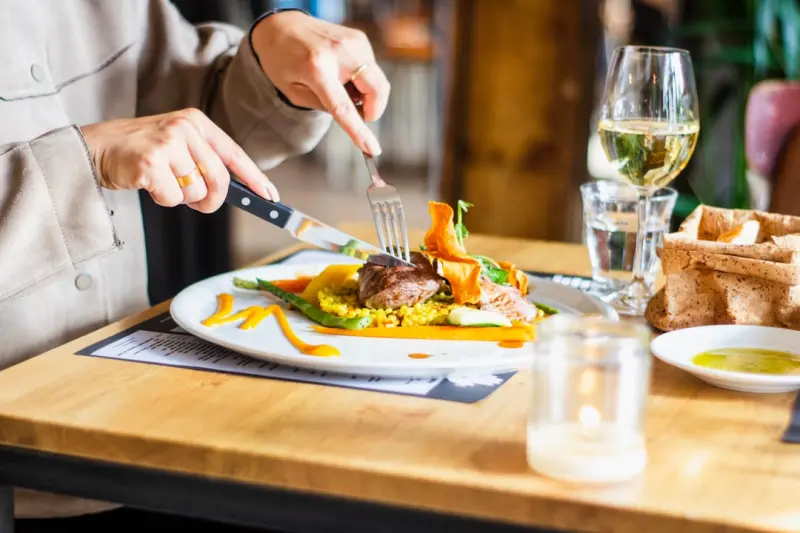
In today’s hyper‑connected world, diners become co‑authors, sharing snapshots of plated art and snippets of tasting notes that ripple across platforms, turning a single dinner into a viral story arc that can catapult a modest bistro into a global sensation overnight, and restaurants are now curating Instagram‑ready moments with as much care as they design their menus, because a well‑crafted photo can convey a chapter of the culinary story faster than any menu description; this digital amplification has encouraged chefs to think even more deliberately about how each component will appear through a camera lens, ensuring that the visual narrative aligns seamlessly with the gustatory one.
Balancing Creativity and Consistency
While the allure of narrative dining is undeniable, the pursuit of constant innovation can place immense pressure on kitchens, forcing them to juggle the desire for fresh storytelling concepts with the operational need for consistency, and I have observed that the most successful establishments strike a balance by establishing a core thematic identity that can be reinvented with seasonal twists without losing the essence that diners fell in love with; this disciplined flexibility is akin to a seasoned author who explores new plotlines while staying true to their signature voice, ensuring that each visit feels both familiar and surprising, a delicate dance that keeps regulars engaged while inviting newcomers to discover the story for themselves.
Future Trends: The Flavor‑First Quest
Looking ahead, I sense that the next wave of narrative dining will be guided by a “flavor‑first” philosophy, where the story is built around the intrinsic character of ingredients rather than imposing a preconceived plot, and this approach is already evident in the pioneering concepts highlighted in A Flavor‑First Journey Through the Hottest Restaurants, where chefs let terroir and season dictate the narrative beats, allowing diners to experience a more authentic, place‑centric story that evolves with the harvest; such authenticity not only deepens the emotional connection but also promotes sustainable sourcing, as the story becomes inseparable from the land and people that nurture the produce.
Challenges and Opportunities
Despite the excitement, the narrative dining movement faces challenges, from the risk of over‑theorizing dishes that alienate patrons seeking simple comfort to the logistical complexities of delivering a consistently compelling story across multiple service nights, and overcoming these hurdles requires restaurants to invest in staff training that emphasizes storytelling as part of the service ethos, turning servers into storytellers who can articulate the chef’s vision with genuine enthusiasm; when the entire team embraces the narrative, the dining experience transforms into a collaborative performance, enriching the guest journey and fostering a loyal community that feels personally invested in the restaurant’s evolution.
Conclusion: Your Invitation to the Story
In the end, the true magic of today’s hottest restaurants lies in their ability to invite us into a living, breathing story where each bite writes a line, each aroma adds a stanza, and every shared photograph becomes a footnote in a collective narrative that we all contribute to, and I encourage you to seek out these culinary tales, to sit down with an open mind and a curious palate, and to let the plates speak their truths; after all, the most unforgettable meals are those that linger in memory not just because they tasted good, but because they made us feel part of something larger—a shared human story told through food.

Becky Putman is an Ottawa-based freelance writer and marketing professional with a passion for storytelling, animals, and community involvement. She enjoys creating engaging content that informs, inspires, and connects with readers.
Related Posts
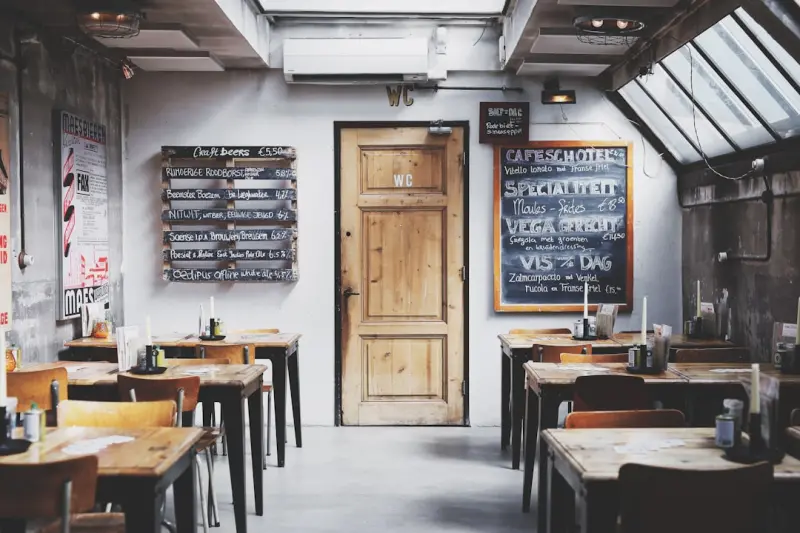
The Pop‑Up Revolution: How Temporary Restaurants Are Redefining Culinary Adventure
Discover why pop‑up eateries are the hottest trend, offering seasonal storytelling, community‑cr... Read More
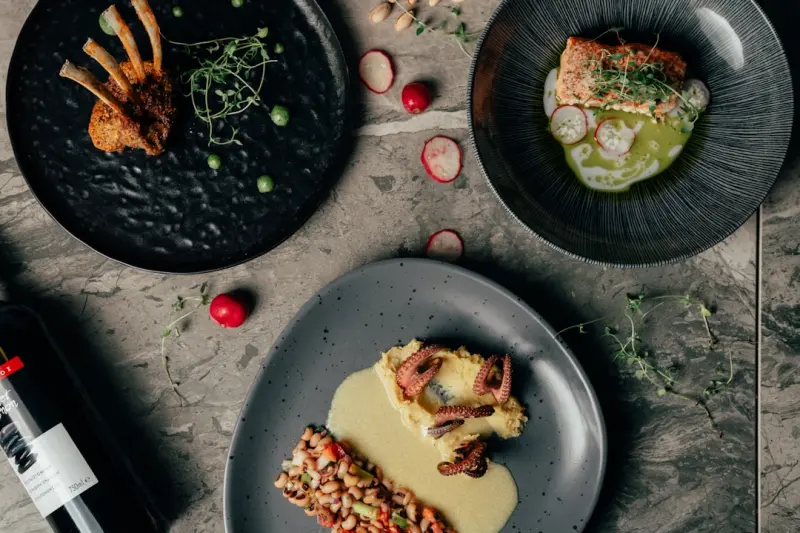
When Diners Shape the Menu: Community‑Sourced Cuisine is Changing Restaurants
Restaurants are inviting guests to co‑create dishes, turning menus into living, community‑driven... Read More
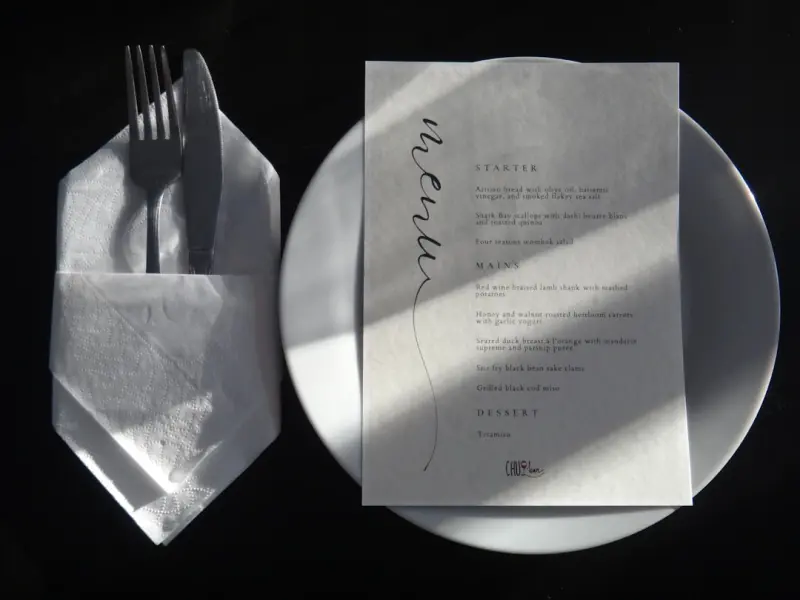
Micro-Seasonal Menus: Dining at the Edge of Harvest
Discover the excitement of micro‑seasonal menus—dishes that exist for just days, linking diners ... Read More
Top Posts

The Community Table Revolution: How Shared Seating is Redefining Restaurant Culture
Discover how community tables are reshaping restaurants, fostering spontaneous connections, and creating a fresh, shared dining experience for modern guests....Read More

When the Plate Becomes a Stage: The Rise of Culinary Theater
Fine dining is evolving into a stage where chefs perform, tableware acts, and technology dazzles, turning each meal into an unforgettable theatrical story....Read More
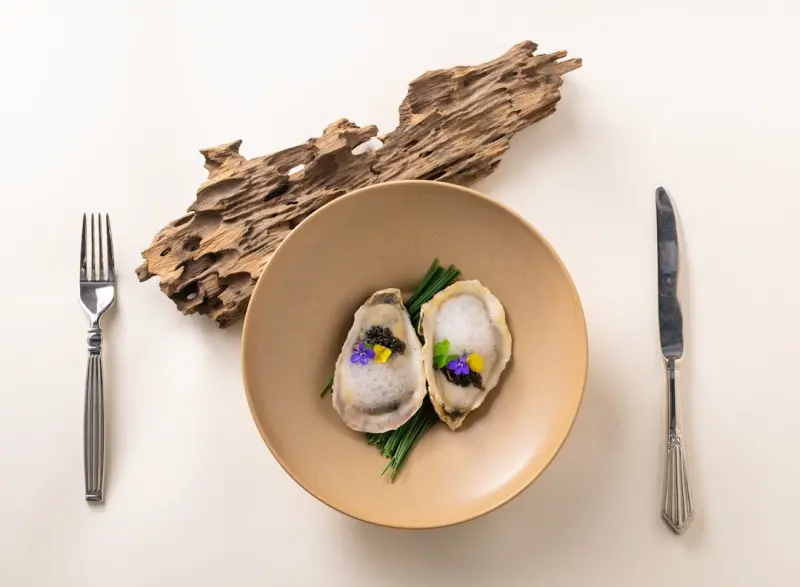
The Art of Dining: How Restaurants Turn Meals Into Stories
Discover why today’s dining scene feels like storytelling, with chefs designing menus that read like novels and plates that unfold like plots....Read More
Crafting the Future of Fine Dining: Data, Transparency, and Sensory Storytelling
Discover the next wave of restaurant innovation where AI‑driven menus, transparent sourcing, and immersive sensory environments redefine the dining experience...Read More
0 Comments
Post Comment
You will need to Login or Register to comment on this post!