
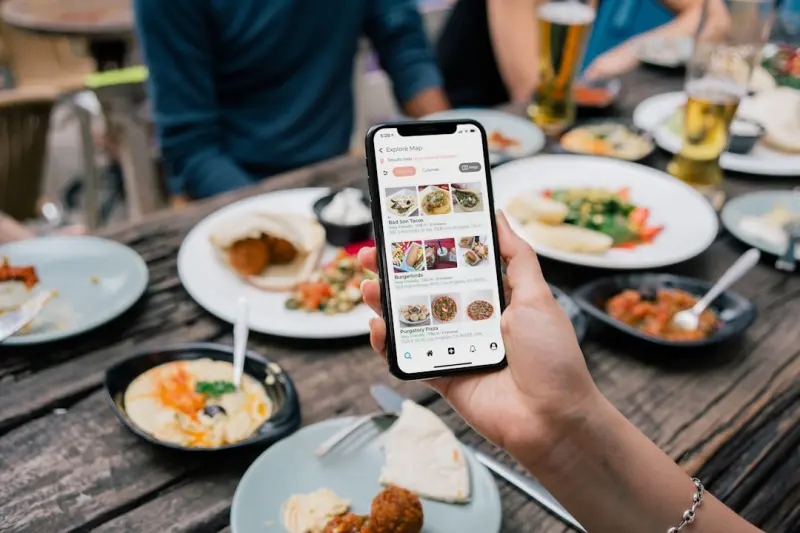
The Instagram Lobby: First Impressions Before the Door Opens
When a diner scrolls past a restaurant’s feed, the visual storyboard they encounter becomes the de‑facto lobby, shaping expectations long before a reservation is made, because a meticulously curated grid of plates, lighting, and behind‑the‑scenes snippets tells a story of ambiance, flavor philosophy, and cultural relevance that can turn a casual browser into a booked guest, and this visual narrative is now as crucial as the maître d’ greeting at the entrance; the algorithmic spotlight forces eateries to treat each post like a window display, balancing artistry with the subtle psychology of color palettes, composition, and timing to capture attention in a sea of scrolling feeds.
Restaurants that treat their social channels as a living brand manuscript understand that every caption, story highlight, and reel functions as a paragraph in a larger narrative arc, where the tone of voice, word choice, and even emoji usage convey personality traits that resonate with target diners, and by weaving consistent themes—whether it’s farm‑to‑table authenticity, avant‑garde experimentation, or nostalgic comfort—into each digital touchpoint, they create an anticipatory experience that primes guests to feel a sense of belonging before they ever step onto the polished floor.
Crafting a Narrative Arc That Extends From Screen to Plate
Just as a novel builds tension and payoff, savvy eateries design a digital storyline that crescendos with the in‑person meal, employing teaser videos of a dish’s creation, behind‑the‑scenes interviews with the chef, and close‑up shots of ingredient textures to stage an emotional climax that culminates when the plate arrives, because diners crave a sense of journey and discovery, and when the real‑world tasting aligns with the promised narrative, the experience feels like the fulfillment of a plot twist they subconsciously anticipated.
To maintain coherence, many brands map their content calendar to seasonal menu rolls, aligning story beats with harvest cycles, local festivals, or cultural celebrations, and this synchronized storytelling ensures that the visual and verbal cues on the feed echo the flavors and aromas awaiting guests, turning each visit into the next chapter of an evolving culinary saga that keeps patrons eager for the sequel.
From Reel to Real: Translating Online Hype Into Tableside Reality
When a viral reel showcases a sizzling flambé or a gravity‑defying dessert, the kitchen must be prepared to deliver that spectacle without compromising quality, because the gap between expectation and execution can make or break reputation, and chefs are increasingly rehearsing these moments in advance, treating them as performance pieces that require timing, precision, and the right plating aesthetics to match the hyper‑edited footage that audiences have already internalized.
This alignment demands close collaboration between marketing teams and culinary staff, a partnership that mirrors the insights found in menu design psychology, where visual cues guide perception, and by translating the same visual language from social posts to physical menus, restaurants create a seamless bridge that validates the online promise and deepens trust.
Influencer Partnerships: Co‑Authoring the Brand Story
Strategic collaborations with food influencers act as guest chapters in a restaurant’s ongoing saga, because these creators bring their own loyal audiences and narrative styles, amplifying the brand’s voice while adding fresh perspectives that can highlight hidden menu gems, sustainability initiatives, or chef philosophies, and when influencers are invited to participate in menu tastings or kitchen tours, the resulting content feels authentic and mutually beneficial.
However, the most effective partnerships are those where the influencer’s aesthetic aligns with the restaurant’s core story, allowing for organic storytelling rather than forced promotion; this alignment ensures that the collaborative content resonates with both parties’ followers, generating buzz that translates into foot traffic and reservation spikes that can be tracked and analyzed for ROI.
User‑Generated Content as a Source of Menu Inspiration
Patrons today are eager to become co‑creators, sharing photos of their favorite dishes, suggesting flavor twists, and even voting on limited‑time specials, turning the dining room into a living focus group, and restaurants that tap into this user‑generated content not only boost engagement but also discover unexpected flavor pairings that may have been overlooked by the culinary team alone.
By highlighting guest posts in stories and featuring them on digital boards, establishments celebrate community participation, and this practice echoes the lessons from how staff stories build loyalty, showing that when diners see their own voices reflected in the brand narrative, they develop a deeper emotional investment that turns occasional visitors into lifelong advocates.
Balancing Authenticity With Marketing Flair
While polished visuals and curated captions are essential for attracting attention, over‑curation can alienate the very audience seeking genuine experiences, because modern diners possess a keen radar for inauthenticity and quickly disengage when a brand appears to prioritize hype over substance, so restaurants must strike a balance by interspersing behind‑the‑scenes bloopers, raw kitchen moments, and staff introductions alongside high‑gloss imagery.
This duality creates a layered brand personality that feels both aspirational and relatable, and by transparently sharing challenges—such as ingredient sourcing hurdles or recipe iterations—eateries humanize their story, reinforcing that the culinary journey is a work in progress, which in turn fosters empathy and a willingness to support the brand through its evolution.
Measuring Success Beyond Follower Counts
Traditional metrics like likes and follower growth provide a surface‑level snapshot, but the true impact of storytelling emerges in reservation conversion rates, average check size, repeat visit frequency, and the sentiment expressed in guest reviews, and advanced analytics platforms now enable restaurants to trace a customer’s path from the first Instagram impression to the post‑dining survey, revealing which narrative elements drive the most profitable behaviors.
By assigning value to specific content types—such as behind‑the‑scenes videos versus static dish photography—establishments can allocate marketing budgets more efficiently, ensuring that creative resources amplify the stories that most directly translate into revenue while also nurturing the brand’s long‑term cultural relevance.
Future Trends: AR Menus, Virtual Tastings, and the Next Chapter
Emerging technologies are poised to rewrite the storytelling playbook, with augmented reality overlays that let diners visualize a dish’s components before ordering, and virtual tasting experiences that pair livestreamed chef demonstrations with home‑delivered sample kits, bridging the gap between digital intrigue and tactile satisfaction, and these innovations extend the narrative beyond the physical restaurant walls.
As the line between online and offline blurs, restaurants that experiment with immersive storytelling—such as interactive QR‑code journeys that reveal ingredient origins or gamified loyalty quests—will position themselves as pioneers of a new era where the story doesn’t end when the plate is cleared, but continues to evolve across platforms and touchpoints.
Final Thoughts: The Power of a Well‑Told Digital Tale
In an age where a diner’s first interaction with a restaurant is often a swipe, the ability to craft a compelling, authentic, and cohesive story across social media can determine whether a table remains empty or buzzes with conversation, because the narrative sets expectations, builds emotional connections, and ultimately guides the decision to book, dine, and return.
By treating every post, story, and influencer collaboration as a deliberate paragraph in a larger culinary saga, restaurants transform marketing from a transactional push into a resonant conversation, turning curious browsers into loyal patrons who feel they’ve been part of the story from the very first glance.

When it comes to the world of blogging and writing, Rose DesRochers is a name that stands out. Her passion for creating quality content and connecting with her audience has made her a trusted voice in the industry. Aside from her skills as a writer and blogger, Rose is also known for her compassionate nature.
Related Posts
The 2024 Restaurant Renaissance: Becky Putman's Flavor‑First Exploration
Becky Putman reveals the 2024 restaurant renaissance, highlighting flavor‑first trends, top picks,... Read More
Dining as Narrative: How Restaurants Turn Meals into Stories
Discover the rise of narrative dining, where chefs craft meals as stories, engaging all senses and t... Read More
The Pop‑Up Revolution: How Temporary Restaurants Are Redefining Culinary Adventure
Discover why pop‑up eateries are the hottest trend, offering seasonal storytelling, community‑cr... Read More
Top Posts
Dining as Narrative: How Restaurants Turn Meals into Stories
Discover the rise of narrative dining, where chefs craft meals as stories, engaging all senses and turning each restaurant visit into an unforgettable literary ...Read More
Best Restaurants of 2024: Rose DesRochers' Insider Picks & Stories
Rose DesRochers reveals the daring restaurants redefining 2024’s culinary scene, blending bold flavors, storytelling, and sustainable practices....Read More
Community‑Driven Pop‑Ups: How Neighborhoods Are Curating the Best Restaurants
Explore the rise of community‑driven pop‑up restaurants, where locals curate menus, embrace zero‑waste practices, and turn dining into a shared, ever‑ev...Read More
Unearthing Forgotten Flavors: The Best Restaurants Reviving Heritage Recipes
Explore the most authentic eateries resurrecting forgotten family recipes, where each dish tells a story of heritage and culinary tradition....Read More
0 Comments
Post Comment
You will need to Login or Register to comment on this post!