
The Rise of Narrative Fine Dining
In recent months the world of fine dining has begun to feel less like a static presentation of food and more like an unfolding story, where each course acts as a chapter that invites guests to become protagonists in their own culinary adventure. Chefs are trading traditional plating for immersive experiences that engage sight, smell, sound, and even touch, turning the dinner table into a stage where flavors perform their own dialogue. This shift reflects a broader cultural craving for meaning‑rich moments, and it is reshaping how we evaluate restaurants beyond just taste scores.
Dining as Narrative: The Power of Storytelling
When a menu is crafted as a narrative arc, diners are no longer passive consumers but active listeners, and this transformation is vividly captured in the piece Dining as Narrative, which explores how kitchens are scripting emotional journeys that linger long after the last bite. By framing dishes within personal or cultural tales, restaurants give each plate a purpose that resonates on a deeper level, turning a simple tasting menu into a memorable saga. The result is a dining experience that feels both intimate and theatrical, compelling patrons to share their stories with friends and on social platforms.
Chef‑Led Storytelling: From Inspiration to Execution
At the heart of this movement are chefs who view their kitchens as laboratories for narrative experimentation, drawing inspiration from literature, travel, and even childhood memories to shape the flavors that will later tell a tale. They meticulously map out the emotional beats of a meal—starting with a bright, anticipatory amuse‑bouche, building tension with a complex intermezzo, and resolving the palate with a harmonious dessert that feels like a satisfying conclusion. This disciplined approach mirrors the structure of a well‑written novel, ensuring that every ingredient plays a role in the overarching plot rather than merely existing on the plate.
The Role of Space: Designing a Story‑Friendly Atmosphere
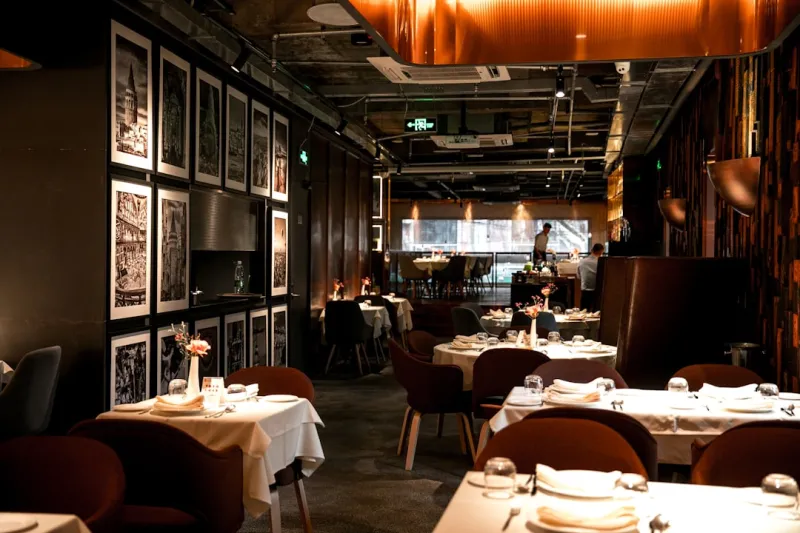
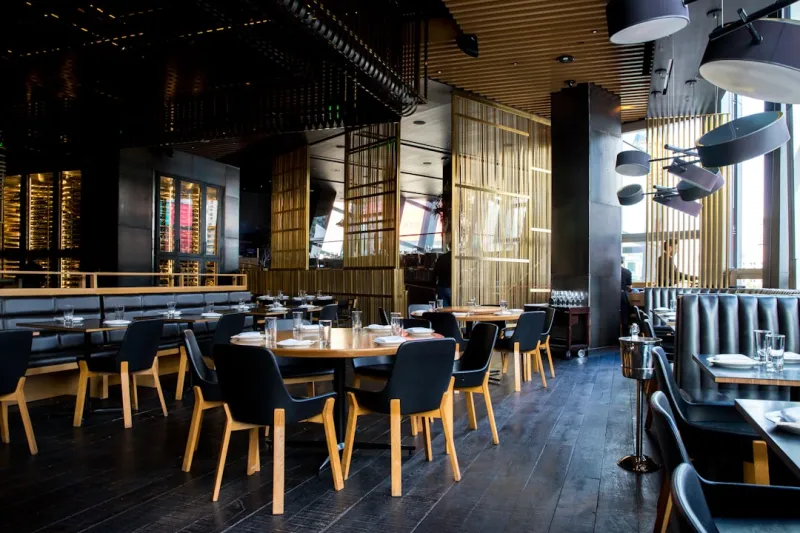
Physical space has become a crucial character in the storytelling equation, with designers curating lighting, textures, and acoustics to amplify the narrative rhythm set by the kitchen. A dimly lit dining room with soft, resonant music can evoke nostalgia, while strategically placed scent diffusers reinforce the flavors being served, creating a multisensory tapestry that guides guests through each act of the meal. By aligning the environment with the menu’s storyline, restaurants transform their interiors into immersive stages where every element contributes to the plot.
Technology as a Narrative Enhancer
Modern technology is now an indispensable co‑author, allowing chefs to weave interactive layers into their stories through augmented reality projections, QR‑code‑driven backstories, and tablet‑based soundscapes that sync with each course. For example, an AR overlay might reveal the origin of a rare spice as it is plated, while subtle background sounds—like distant waves or bustling market chatter—transport diners to the dish’s cultural birthplace. These digital touches not only deepen engagement but also provide measurable data that helps chefs refine the emotional impact of each narrative element.
Scent, Sound, and the Sixth Sense of Dining
Beyond visual appeal and flavor, scent and sound are emerging as the silent narrators that shape a diner’s perception of a dish, often influencing taste perception more than the ingredients themselves. A faint aroma of cedarwood can enhance the earthiness of a mushroom risotto, while a soft rustle of leaves in the background can make a forest‑foraged salad feel more authentic. Restaurants that master this sensory symphony create a holistic story where the palate is guided by an invisible script, making every bite feel inevitable and purposeful.
Guest Participation: Co‑Creating the Tale
In the most progressive dining rooms, the story does not end at the chef’s script; guests are invited to become co‑authors, whether by choosing alternate pathways on a menu, customizing seasoning levels, or even contributing personal anecdotes that become part of the evening’s collective memory. This participatory model transforms the meal into a collaborative performance, where the energy of the diners feeds back into the kitchen, inspiring on‑the‑spot improvisations that keep the narrative fresh and dynamic. Such interactive experiences foster a sense of belonging and encourage repeat visits, as patrons know they will always discover something new.
Future Trends: Sustainability Meets Storytelling
The next frontier of narrative fine dining is the integration of sustainability into the storyline, turning environmental stewardship into a compelling plot twist that resonates with ethically minded diners. Restaurants are beginning to trace the journey of each ingredient—from regenerative farms to the plate—using visual timelines that highlight carbon footprints, biodiversity benefits, and community impact. This transparency not only enriches the story but also aligns the dining experience with the growing demand for responsible consumption, creating a powerful narrative where taste and conscience walk hand in hand.
Practical Takeaways for Restaurateurs
For chefs and owners eager to adopt this storytelling approach, the first step is to identify a core theme—be it a regional heritage, a personal memoir, or a futuristic vision—and let that theme dictate menu structure, décor, and service style. Next, invest in training staff to act as narrative guides, capable of conveying the story with authenticity and enthusiasm. Finally, leverage simple tech tools, such as QR codes linking to short videos or audio clips, to enrich the guest experience without overwhelming the intimate atmosphere that fine dining cherishes.
Conclusion: The Story Continues
The evolution of fine dining into a sensory storytelling feast signals that the future of hospitality lies not merely in culinary mastery but in the ability to craft unforgettable narratives that linger long after the plates are cleared. As diners increasingly seek experiences that feed both body and soul, restaurants that master the art of narrative will set the benchmark for what it means to truly dine in style. The next time you step into a boutique restaurant, listen closely—you may just hear the next chapter of your own culinary story being written.

Becky Putman is an Ottawa-based freelance writer and marketing professional with a passion for storytelling, animals, and community involvement. She enjoys creating engaging content that informs, inspires, and connects with readers.
Related Posts

Beyond Taste: How Sound, Scent, and Touch Are Redefining Fine Dining
Discover the rise of multi‑sensory fine dining, where curated sound, scent, and texture elevate ev... Read More

The Secret Narrative Behind Every Fine‑Dining Plate
Fine dining isn’t just food; it’s a narrative journey where menus read like novels, chefs become... Read More
The Art of Anticipation: Crafting Culinary Suspense in Fine Dining
Explore the secret techniques chefs use to build anticipation, from subtle sensory cues to perfectly... Read More
Top Posts
The Power of Storytelling in Restaurants: Turning Meals into Memorable Narratives
Explore how authentic narratives, music, design, and community voices turn ordinary meals into memorable experiences that keep guests returning for more....Read More

Chef’s Table & Pop‑Up Magic: Top Restaurants Redefined
Explore how chef’s tables and pop‑up eateries create intimate, immersive dining experiences that elevate flavor, design, and accessibility for food lovers....Read More
The Art of Dining: How Restaurants Turn Meals Into Stories
Discover why today’s dining scene feels like storytelling, with chefs designing menus that read like novels and plates that unfold like plots....Read More
The Best Restaurants That Turn Dining Into a Storytelling Experience
Explore the hottest restaurants that turn meals into memorable stories, blending cuisine, ambiance, and storytelling for a truly immersive dining adventure....Read More
0 Comments
Post Comment
You will need to Login or Register to comment on this post!