
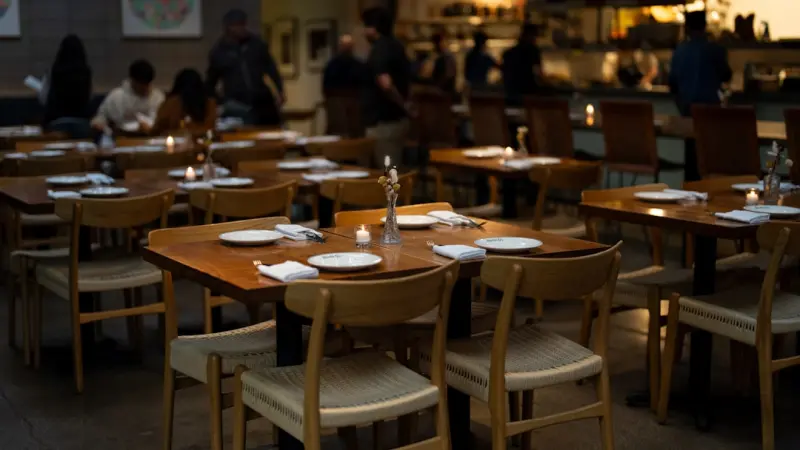
Why the Chef’s Table Captivates Modern Diners
Stepping into a chef’s table feels like crossing a threshold into the kitchen’s secret heart, where the clatter of pans becomes a rhythmic invitation. I remember my first night there, the silvered glow of the stove reflecting off polished copper, and the chef turning to us with a smile that said, “You’re part of the story now.” That intimacy, the subtle shift from observer to participant, transforms a meal into an unforgettable performance.
A Brief History of the Chef’s Table
The concept emerged in the late‑20th century as visionary restaurateurs sought to showcase culinary craftsmanship beyond the polished dining room. Early adopters placed a long oak table directly beside the line, allowing guests to watch the choreography of sauce‑making and plating. Over the decades, the idea spread globally, evolving from a novelty into a coveted experience that now defines the apex of fine‑dining innovation.
The Psychology of Intimacy and Attention
When a table sits just a few seats away from the heat, our senses sharpen; the aroma of searing butter feels richer, and the crackle of a flambé becomes a visual pulse. Studies show that close proximity to the kitchen heightens perceived value, making diners more willing to savor each bite and engage with the story behind it. This heightened focus creates a bond that lingers long after the final plate is cleared.
Menus That Evolve in Real Time
Unlike static tasting menus, chef’s tables thrive on improvisation, letting chefs read the room and adjust flavors on the fly. If a guest expresses a fondness for a particular herb, the chef might weave it into the next course, turning the menu into a living conversation. This fluidity not only showcases the chef’s technical mastery but also reinforces the feeling that every dish is crafted just for you.
Storytelling Through Plates and Words
Every plate at a chef’s table serves as a chapter, and many chefs pair their creations with narrative cues that guide diners through a culinary tale. For those curious about how this works, How Narrative Menus Turn a Meal into a Storytelling Adventure explores the art of weaving stories into each course. By aligning flavors with memories, geography, or emotion, the experience becomes a shared journey rather than a solitary taste test.
When Art Meets the Plate: Collaborative Creativity
The chef’s table often becomes a laboratory where culinary ideas intersect with other artistic disciplines, echoing the spirit of When Chefs and Artists Collide. A violinist might play softly as a delicate foam is spooned, or a painter could sketch the colors of a sauce in real time, turning the meal into a multisensory tableau. This collaborative energy elevates the dinner from nourishment to an immersive cultural event.
Scent, Sound, and the Subtle Details
Beyond taste, the chef’s table curates a symphony of aromas that mingle with the kitchen’s natural scents, creating an olfactory backdrop that deepens flavor perception. The gentle hum of the ventilation, the clink of glass, and the faint perfume of fresh herbs all contribute to a layered experience. By orchestrating these subtle cues, chefs turn each bite into a moment that resonates on multiple sensory levels.
Economic Impact: Exclusivity as a Business Model
From a restaurateur’s perspective, the chef’s table is a strategic asset that commands premium pricing and cultivates brand loyalty. Limited seats create scarcity, driving demand and allowing establishments to showcase their most experimental dishes without risking the broader menu’s consistency. This model also generates valuable feedback, as chefs receive immediate reactions that inform future menu development.
Future Trends: Virtual Presence and Sustainable Practices
Looking ahead, the chef’s table is poised to blend physical intimacy with digital reach, offering live‑streamed kitchen tours for remote guests while preserving the tactile magic for those onsite. Simultaneously, sustainability will shape its evolution, with chefs sourcing hyper‑local ingredients and minimizing waste right before diners’ eyes. As the experience adapts, the core promise remains unchanged: an invitation to step behind the curtain and become part of the culinary narrative.

Becky Putman is an Ottawa-based freelance writer and marketing professional with a passion for storytelling, animals, and community involvement. She enjoys creating engaging content that informs, inspires, and connects with readers.
Related Posts
Why Fine Dining Feels Like Reading a Great Novel
Fine dining isn’t just about flavors; it’s a story unfolding on a plate. I share how chefs write... Read More
Zero‑Waste Fine Dining: Turning Scraps into Gourmet Experiences
Discover the rise of zero‑waste fine dining, where chefs turn every peel, stem, and bone into a go... Read More
2026 Fine Dining: Sensory Storytelling Takes Over
In 2026 fine dining becomes a multisensory narrative, where sustainability, tech, and chef collabora... Read More
Top Posts
Inclusive Luxury: Fine Dining Without Compromise
Explore the rise of truly inclusive fine dining, where menus, service, and ambiance adapt to every dietary restriction, turning luxury into a welcoming experien...Read More
The 2024 Restaurant Renaissance: Becky Putman's Flavor‑First Exploration
Becky Putman reveals the 2024 restaurant renaissance, highlighting flavor‑first trends, top picks, and how storytelling, sustainability, and tech are reshapin...Read More

A Food Lover’s Guide to Restaurants That Turn Meals Into Stories
Dive into a guide that reveals restaurants turning meals into compelling stories, offering flavors, atmospheres, and narratives that linger long after the last ...Read More

The Art of Fine Dining: Rose DesRochers’ Personal Journey Through Flavor and Story
Rose DesRochers explores fine dining as a narrative, blending cuisine, service, and atmosphere while looking ahead to sustainability and tech-driven innovation....Read More
0 Comments
Post Comment
You will need to Login or Register to comment on this post!