
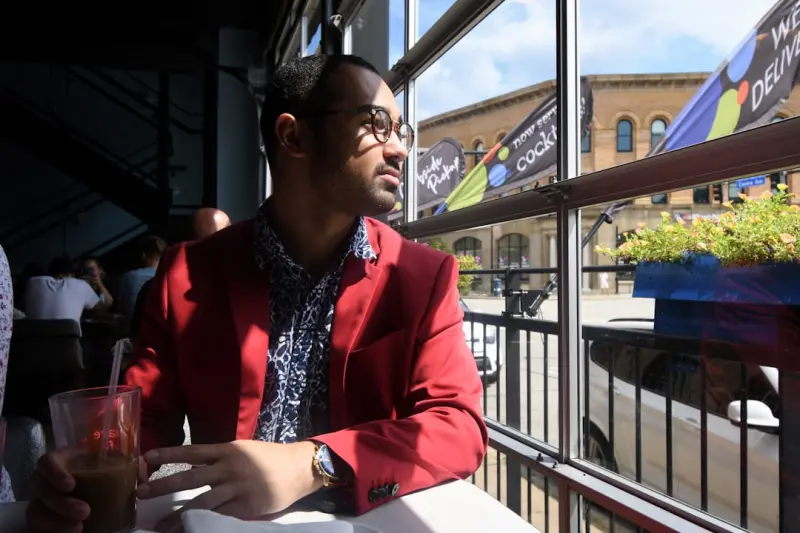
There’s a strange intimacy in watching a chef transform a fleeting memory of a market stall in Marrakech into a perfectly plated bite on a downtown Manhattan table. I’ve spent more than a decade hopping from street carts to Michelin-starred rooms, and I’ve learned that the “best” restaurants are less about glossy accolades and more about the echo of a journey that begins long before the reservation is made. In this piece, I’ll peel back the curtain on the subtle forces—travel‑touched inspiration, multigenerational kitchens, daring collaborations, and the clandestine dance of modern reservation systems—that turn an ordinary night out into a story you’ll retell for years.
When Travel Becomes a Menu
Every great plate I’ve loved started as a passport stamp: a spice market in Oaxaca, a coastal fishmonger's shout in Hokkaido, a humble tea house in Kyoto. Chefs who have walked those alleys bring back not just ingredients, but the cadence of conversation, the rhythm of a vendor’s call, and the weather‑worn texture of a regional staple. Rather than copying a dish, they reinterpret it through the lens of their own culinary language, creating a bridge between continents that feels both exotic and intimately familiar. The result is a menu that reads like a travel journal, where each course nudges you to recall a distant street corner while keeping your palate rooted in the present.
What sets these itinerant chefs apart is their refusal to treat culture as a garnish. They embed the story of a place into the very technique they use—smoking fish over locally sourced pine wood because that’s how their grandfather did it on the family farm, or fermenting cabbage in a bamboo crock to honor a rural Chinese tradition. This depth of respect transforms a dinner into a dialogue, and diners become participants in a shared cultural exchange rather than passive consumers. When you taste a dish that whispers of a sunrise over the Sahara, you’re tasting the chef’s passport, and that authenticity is what distinguishes a truly great restaurant from a trendy pop‑up.
Family Trees on the Plate
While globetrotting chefs bring the world to your table, there’s another lineage that quietly fuels the best dining experiences: the family kitchen. Many of my favorite establishments are run by second‑ or third‑generation owners who have inherited recipes, work ethics, and an almost sacred reverence for hospitality. The aroma of a sauce simmering for hours often carries the weight of a grandmother’s whispered advice, and the clatter of dishes is accompanied by stories of a hometown festival that inspired the dish’s name. This intergenerational continuity creates a sense of place that no marketing campaign can replicate.
What’s striking is how these family‑run spots balance tradition with innovation. A chef might keep the classic braised short rib recipe handed down through decades, but will introduce a modern reduction of beet‑infused vinegar to cut through the richness, honoring the past while speaking to contemporary palates. The kitchen becomes a living archive, where the old guard mentors the new, and every service feels like a family reunion—warm, a bit chaotic, and undeniably heartfelt. This dynamic is why diners often describe the experience as “comforting yet exciting,” a paradox that only a lineage steeped in both memory and curiosity can achieve.
Collaboration Over Competition
In the high‑stakes world of fine dining, the instinct to guard one’s signature dish can be strong, yet the most memorable restaurants today are those that actively invite collaboration. I’ve witnessed celebrated chefs trade stations for a night, swapping sous‑chef duties to fuse their distinct vocabularies into a single menu. These partnerships dissolve the competitive barrier and birth dishes that would never exist in isolation—think of a French pâtissier teaming up with a Korean kimchi master to craft a fermented fruit tart that balances sweet, sour, and umami in perfect harmony.
The magic of these collaborations lies not just in the flavors but in the process. When chefs step outside their comfort zones, they must articulate the intent behind every technique, turning the kitchen into a classroom. This exchange sharpens skills, sparks fresh ideas, and ultimately enriches the dining room, where patrons taste the result of two creative minds speaking in unison. It also cultivates a community ethos that ripples beyond the plate, encouraging restaurants to view each other as allies in the quest for culinary excellence rather than rivals vying for the same spotlight.
The Art of the Waitlist
Securing a seat at a coveted restaurant used to be a game of luck and persistence; now it’s an art form powered by data and psychology. Modern establishments employ sophisticated waitlist platforms that analyze your dining history, social media engagement, and even the time you spend scrolling their website to predict the perfect moment to extend an invitation. I’ve been invited to a coveted tasting menu after a subtle prompt appeared on my phone while I was browsing a local food blog—a reminder that the best restaurants are as savvy with algorithms as they are with sauces.
These systems also reward genuine enthusiasm. Guests who consistently leave thoughtful feedback or share authentic experiences on social channels often receive priority seating, creating a virtuous cycle of community building. For the curious foodie, signing up for a restaurant’s newsletter can feel like joining a secret society where every click brings you closer to that coveted reservation. If you want a glimpse of how this plays out in practice, check out our guide to spotting hidden gems and learn how a well‑timed reservation can turn a night out into a memorable story.
Beyond the digital, the human element remains crucial. A maître d’ who remembers your favorite wine or notes a dietary preference from a previous visit adds a personal touch that no algorithm can replicate. The best restaurants blend technology with genuine hospitality, ensuring that each reservation feels like an invitation to a familiar home rather than a cold transaction. This balance is what keeps diners returning, eager to see what the next chapter of the restaurant’s evolving narrative will offer.
Finally, the most compelling meals are those that leave a lingering sense of curiosity, prompting you to explore the origins of each ingredient, the lineage of the chef, and the story behind the reservation itself. As I wander from city to city, I’m reminded that the “best” restaurants are not defined solely by stars or reviews, but by the invisible threads that connect travel, family heritage, collaborative spirit, and the subtle art of being invited to the table. Each bite becomes a bookmark in a larger story you’ll want to revisit again and again.

When it comes to the world of blogging and writing, Rose DesRochers is a name that stands out. Her passion for creating quality content and connecting with her audience has made her a trusted voice in the industry. Aside from her skills as a writer and blogger, Rose is also known for her compassionate nature.
Related Posts
The Allure of Pop‑Up Restaurants: Why Temporary Kitchens Are Worth the Hunt
Explore the excitement of pop‑up restaurants—temporary venues that deliver experimental menus, u... Read More
Snap‑Worthy Bites: The Best Restaurants for Food‑Photography Lovers
Explore city and scenic eateries that pair perfect lighting, artful plating, and Instagram‑ready s... Read More
Community‑Centric Restaurants: Why Local Hubs Are the New Culinary Gold
Discover why the best restaurants today act as community hubs—offering shared spaces, local collab... Read More
Top Posts
Rose DesRochers’ 2024 Restaurant Renaissance: A Personal Journey Through the Best Tables
Rose DesRochers guides you through 2024’s most exciting restaurants, highlighting flavor storytelling, sustainability, and community‑driven dining in an int...Read More

When the Plate Takes Center Stage: The Art of Culinary Theatre
Fine dining is stepping onto the stage, where chefs become performers and every course is a scene, turning meals into immersive theater....Read More
When Fine Dining Becomes a Storytelling Journey
Discover the rise of narrative cuisine, where chefs act as authors and each course unfolds like a chapter, turning fine dining into a captivating storytelling f...Read More

The Unspoken Dialogue: How Service Shapes Fine Dining
Explore the hidden language of service in fine dining, from maître d’ choreography to sommelier whispers, and learn how staff interactions turn meals into la...Read More
0 Comments
Post Comment
You will need to Login or Register to comment on this post!