

AI & Immersive Tech: The New Frontier of Fine Dining
When I first stepped into a sleek, glass‑walled dining room that whispered “future” with every flicker of light, I realized the fine‑dining landscape was quietly rewriting its script. No longer are we merely passive observers of a chef’s choreography; we are now co‑authors of a multi‑sensory narrative that adapts to our personal cravings in real time. This transformation feels like a love affair between tradition and invention, where the clink of crystal glasses meets the soft hum of algorithms behind the scenes. As someone who has chased Michelin stars across continents, I can say with confidence that the most compelling meals today are those that listen to you before the first bite even arrives.
Personalized Palates Powered by AI
At the heart of this evolution lies AI-driven menus that analyze everything from your previous orders to subtle biometric feedback gathered through smart forks and wrist‑worn sensors. Restaurants now ask guests to complete a brief taste questionnaire—think “sweet, salty, umami” sliders—and feed those preferences into machine‑learning models that predict flavor pairings you didn’t know you craved. The result is a tasting menu that feels tailor‑made, each course evolving as your palate shifts throughout the evening. Chefs, far from being replaced, become data‑informed artists, using the algorithm’s suggestions as a palette from which to paint daring, unexpected compositions. It’s a partnership where technology amplifies intuition, allowing a sous‑chef in Kyoto to suggest a miso‑infused sorbet for a diner who just expressed a love for citrus‑bright desserts.
Augmented Reality on the Plate
Imagine a seared scallop arriving with a delicate mist of rosemary projected onto the plate, while a subtle animation tells the story of its Atlantic journey—this is the promise of augmented reality in fine dining. By pointing a smartphone or a discreet AR‑enabled glasses at the dish, diners witness a visual saga that complements the flavors, turning each course into a short film. The technology does more than entertain; it deepens appreciation, connecting the eater to the terroir, the fisherman, the farmer, and even the cultural myths that inspired the recipe. I recall a recent dinner where a beet‑root ravioli blossomed into a crimson sunrise on my screen, echoing the farmer’s sunrise harvest and making the bite taste almost poetic. Such storytelling bridges the gap between the abstract artistry of the kitchen and the tangible experience of the diner.
Sensor‑Rich Tables and Adaptive Ambiance
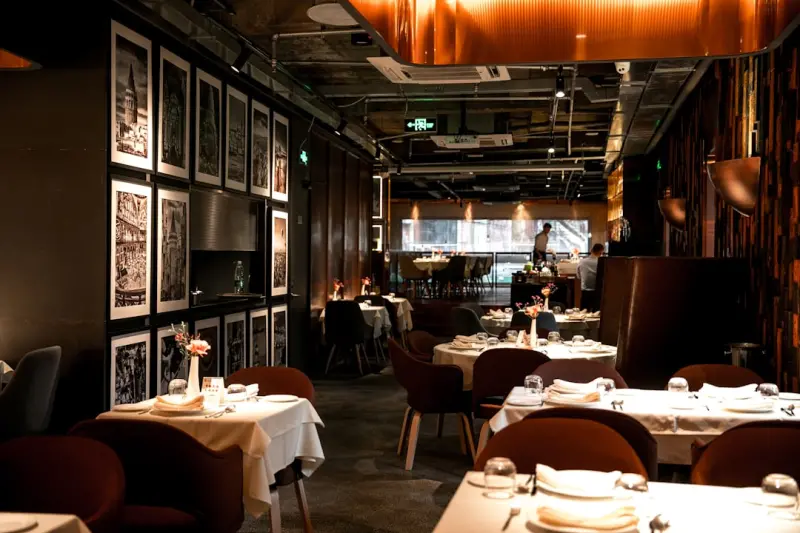
Beyond the plate, the very tables we sit at have become intelligent canvases, equipped with pressure sensors, temperature controls, and subtle speakers that respond to our movements. As you settle into a plush chair, the surface detects the weight distribution of your body and subtly adjusts the lighting to highlight the dish you’re about to taste, while a faint breeze mimics the coastal air for a sea‑salt‑crusted fish. The integration of sensor‑rich tables creates a seamless feedback loop: the system senses a lingering smile after a dessert and lowers the music volume, letting the conversation bloom. This level of immersion turns the dining room into a living organism, reacting to each guest’s energy, and making the entire experience feel as personalized as a handwritten note from the chef.
Balancing Innovation with Privacy
While the allure of hyper‑personalization is undeniable, it also raises questions about data stewardship that many fine‑dining establishments are only beginning to address. Guests willingly share taste profiles, yet the same algorithms that recommend a perfect wine pairing could, if mishandled, expose intimate preferences to third parties. Restaurateurs must therefore adopt transparent policies, encrypting biometric data and offering opt‑out options without compromising the culinary experience. In practice, this means a clear consent screen at reservation, akin to the way the way music shapes ambiance is curated to enhance rather than intrude. By treating data with the same respect we afford a rare ingredient, the industry can nurture trust while pushing the boundaries of what a meal can become.
Elevating Beverage Pairings with Smart Tech
One of the most thrilling frontiers is the marriage of AI‑curated menus with exceptional beverage programs that adjust in real time. As a dish evolves from a citrus‑bright starter to a smoky main, the smart bar can suggest a glass of biodynamic wine whose terroir mirrors the dish’s earthy notes, or even a non‑alcoholic elixir crafted from the same herbs used in the plating. Sensors detect the temperature of the plate and the lingering flavors on the palate, prompting the sommelier—or its algorithmic counterpart—to propose a sip that harmonizes rather than competes. This dynamic pairing transforms the traditional wine list into an interactive dialogue, where each pour is a response to the evolving story on the plate.
Chef Creativity in the Age of Algorithms
For chefs, the rise of AI is less a threat and more a catalyst that expands the realm of possibility. By offloading the grunt work of flavor matrix calculations to machines, culinary masters can devote more energy to conceptual storytelling, texture experimentation, and sustainable sourcing. The kitchen becomes a laboratory where human intuition meets computational precision, allowing chefs to test dozens of hypothetical pairings in minutes rather than weeks. This collaborative environment also encourages younger talent to develop hybrid skill sets—mastery of knife techniques alongside fluency in data analytics. The result is a new generation of culinary artists who view code as another spice, using it to amplify the emotional resonance of every dish they craft.
Looking Ahead: Virtual Dining Rooms and Global Collaboration
The horizon holds even more daring concepts, such as fully immersive virtual reality dining rooms where you can sit at a Parisian table while your food is prepared in a Tokyo kitchen, all synchronized to the same rhythm of flavors. Imagine donning a lightweight headset, watching a chef in real time slice a truffle, and feeling the aroma waft through a haptic diffuser placed on your table. These experiences could democratize fine dining, allowing anyone with an internet connection to partake in a Michelin‑starred feast without boarding a plane. As the technology matures, we may see cross‑continental collaborations where ingredients are harvested in one continent, cooked in another, and served in a third—each step documented and celebrated through AR overlays. The future promises a culinary tapestry woven from pixels, palate, and pure imagination.
Why the Experience Matters More Than Ever
At the end of the day, the true magic of fine dining remains its ability to create lasting memories, and the integration of AI and immersive tech simply deepens that impact. When a dish anticipates your cravings, tells you its origin story through light, and pairs with a glass that seems to echo the very essence of the flavors, you’re not just eating—you’re participating in a living work of art. As I continue to explore these evolving spaces, I invite you to seek out restaurants that dare to blend tradition with technology, to ask the sommelier about the algorithm behind your wine suggestion, and to let the table itself whisper its secrets. The next great culinary adventure may be waiting just beyond the next pixel, ready to delight your senses in ways you never imagined.

Becky Putman is an Ottawa-based freelance writer and marketing professional with a passion for storytelling, animals, and community involvement. She enjoys creating engaging content that informs, inspires, and connects with readers.
Related Posts
Reviving Heritage Tableware: How Handcrafted Ceramics, Cutlery, and Glass Elevate Modern Fine Dining
Discover how the resurgence of heritage tableware—from artisan ceramics to bespoke glassware—add... Read More
When Fine Dining Becomes a Storytelling Feast
Fine dining now reads like a novel—chefs are authors, plates are chapters, and every detail tells ... Read More
When a Fine‑Dining Plate Becomes a Storytelling Journey
Fine dining today isn’t just about taste; it’s an immersive narrative where chefs, ambience, and... Read More
Top Posts
Beyond Silverware: How Tableware Design Rewrites Fine‑Dining Stories
A deep dive into the evolution of plates, glasses, and cutlery, and how their design now tells the story of every fine‑dining course....Read More
Front‑of‑House Innovations That Make Restaurants Truly Outstanding
Explore the unseen elements—personalized bookings, adaptive menus, and inclusive ambience—that elevate front‑of‑house experiences and set top restaurant...Read More

Hidden Gems: Unlocking the World of Invitation‑Only Restaurants
Explore the rise of invitation‑only restaurants, learn insider tips to join these exclusive clubs, and understand their influence on today’s dining landscap...Read More

When Service Becomes Conversation: Redefining Fine‑Dining Hospitality
Fine‑dining is moving beyond formal service toward genuine conversation, letting chefs and staff speak directly with diners to craft a more intimate, memorabl...Read More
0 Comments
Post Comment
You will need to Login or Register to comment on this post!