
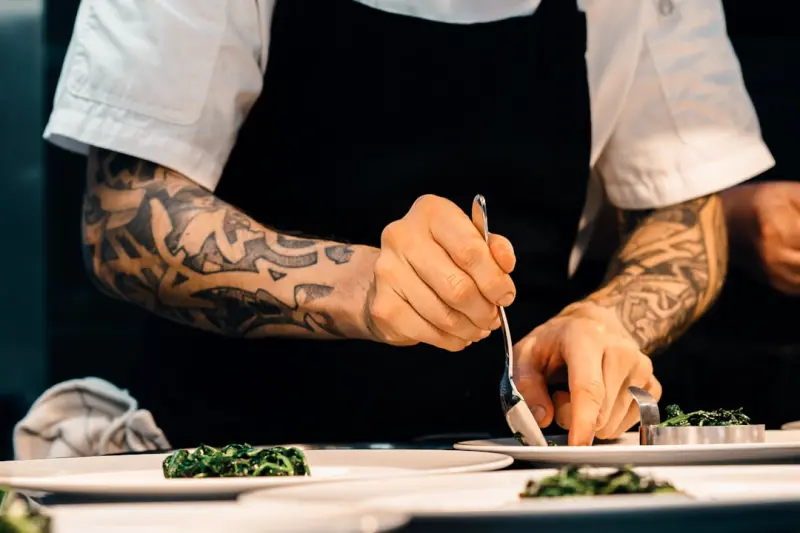
Fine dining is undergoing a quiet renaissance, one that swaps the traditional focus on taste alone for a fuller conversation between cuisine and visual art. In recent months I’ve been invited into kitchens where painters, sculptors, and even digital designers sit beside chefs, sketching ideas over wine before the first ingredient ever touches a pan. This partnership is not a gimmick; it reshapes the entire rhythm of service, from the moment the reservation is confirmed to the final bite that leaves a lingering impression on the palate and the eye alike. The result is an immersive tableau where the plate becomes a canvas and the diner, a participant in a living exhibition.
The Rise of Artistic Partnerships in Haute Cuisine
Restaurants that once prided themselves on immaculate service and impeccable flavor profiles are now courting galleries and independent artists to co‑create menus that speak in both color and aroma. The collaboration begins long before the kitchen fires up, often in a studio space where chefs and artists exchange sketches, mood boards, and sensory descriptors. By aligning their creative vocabularies, they forge dishes that echo the brushstrokes of a painting, the tactile intrigue of a sculpture, or the kinetic energy of an installation. This synergy invites guests to experience food not merely as sustenance, but as a multisensory narrative that unfolds plate by plate.
Selecting the Right Creative Ally
Choosing an artist is a nuanced process that mirrors the chef’s ingredient sourcing—both must share a philosophy of craftsmanship and an appetite for experimentation. Many chefs look for collaborators whose aesthetic resonates with their culinary identity, whether that’s the stark minimalism of a Japanese ink painter or the bold, chaotic bursts of a street‑art muralist. The dialogue is iterative: a chef may propose a flavor profile, the artist replies with a visual motif, and together they refine until the dish and the artwork echo each other’s intent. This careful matchmaking ensures that the final presentation feels inevitable rather than forced, creating a seamless marriage of taste and sight.
The Dialogue Between Plate and Canvas
When an artist’s vision is translated onto a plate, every element—shape, color, texture—must serve both aesthetic and gustatory purposes. For instance, a dish inspired by a monochrome abstract may employ a single, perfectly executed component presented on a stark white porcelain, allowing the flavor to command attention without visual distraction. Conversely, a vibrant, impressionist‑style piece might feature a mosaic of micro‑greens, edible flowers, and contrasting sauces that mimic the painter’s palette. This intentional choreography invites diners to linger, to decipher the visual cues before tasting, fostering a contemplative pace that deepens appreciation for the chef’s craftsmanship.
Case Studies: When Art Meets Gastronomy
One notable example is the partnership between a celebrated French pâtissier and a contemporary sculptor, whose collaboration birthed a dessert that resembled a dripping marble sculpture while delivering layers of citrus‑infused chocolate. The project was highlighted in an article on restaurant revivals as cultural hubs, illustrating how these alliances can elevate an establishment from a dining venue to a cultural landmark. Another venture paired a New York‑based chef with a light‑artist, using programmable LEDs beneath translucent plates to echo the shifting hues of a sunset, a concept explored in illuminating fine dining. Both cases demonstrate the power of visual storytelling to amplify flavor perception and create moments that linger long after the last course.
The Impact on Diners: A New Kind of Engagement
Patrons report a heightened sense of curiosity and participation when confronted with a dish that doubles as an artwork. The anticipation builds as they decode the visual language, turning the act of eating into an interactive puzzle. This engagement extends beyond the table; many guests share their experiences on social platforms, describing the meal in terms of composition, balance, and emotional resonance. The result is a ripple effect that draws new audiences—art enthusiasts, design aficionados, and experiential seekers—into the fine‑dining sphere, expanding the demographic reach of establishments that once catered solely to traditional gourmands.
Operational Considerations and Challenges
Integrating art into the dining experience demands meticulous coordination across kitchen, front‑of‑house, and marketing teams. Logistics such as plate durability, food safety, and timing become more complex when visual elements are integral to the dish’s concept. Staff must be educated to articulate the artistic narrative, guiding guests through the experience without breaking immersion. Moreover, the cost of commissioning original artworks or custom tableware can be substantial, requiring a clear ROI strategy—often realized through heightened media coverage, elevated brand positioning, and premium pricing for limited‑edition tasting menus.
Future Outlook: Beyond the Plate
Looking ahead, the convergence of fine dining and visual art is poised to explore emerging mediums like augmented reality, where diners can project animated stories onto their plates via smartphones, or immersive installations that transform the entire restaurant space into a living gallery. As technology becomes a seamless backdrop rather than a focal point, the core principle remains: food and art are both languages of emotion, and their collaboration promises ever richer, more memorable experiences for those willing to sit down and listen.
Conclusion: A Feast for the Eyes and the Palate
The marriage of culinary mastery and visual artistry is redefining what a fine‑dining experience can be. By inviting artists into the kitchen, chefs are not only expanding their creative horizons but also crafting moments that linger in memory long after the last crumb is cleared. This evolution invites us to reconsider the boundaries of gastronomy, urging both creators and diners to savor the beauty of a dish before it even touches the tongue. In a world hungry for authentic, immersive experiences, the plate‑and‑canvas partnership may well become the new gold standard of luxury hospitality.

Becky Putman is an Ottawa-based freelance writer and marketing professional with a passion for storytelling, animals, and community involvement. She enjoys creating engaging content that informs, inspires, and connects with readers.
Related Posts
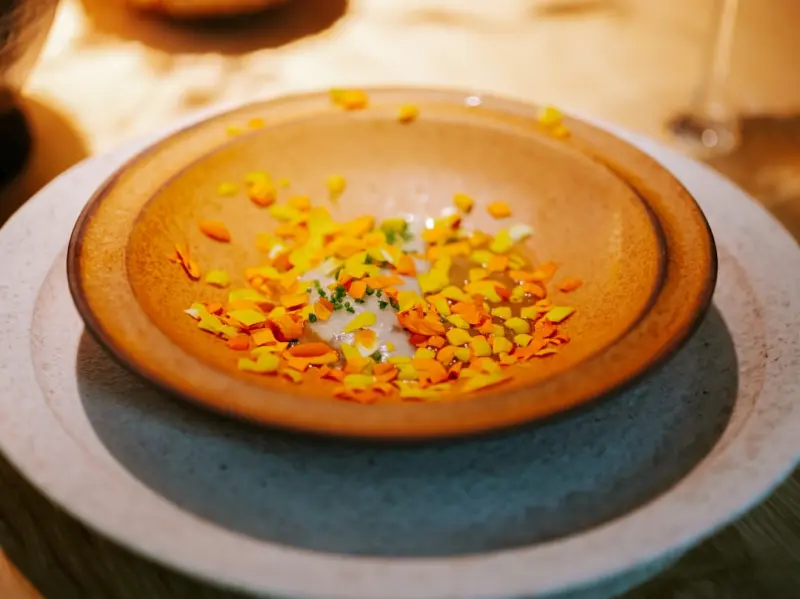
Zero‑Waste Fine Dining: Turning Scraps into Culinary Stars
Discover the art of turning kitchen scraps into gourmet delights, as fine dining embraces zero‑was... Read More
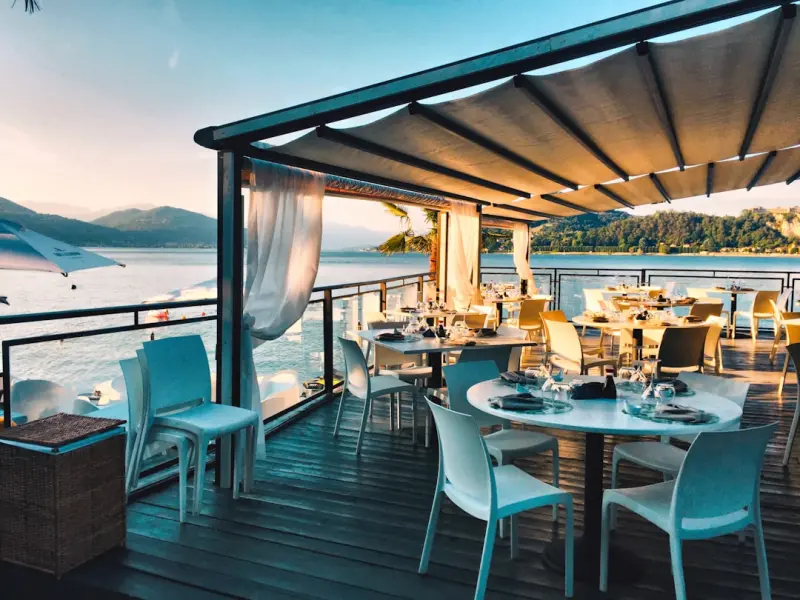
The Narrative Plate: How Fine Dining Transforms a Meal into a Story
Explore the art of fine‑dining storytelling, where every dish, wine, and setting becomes a chapter... Read More
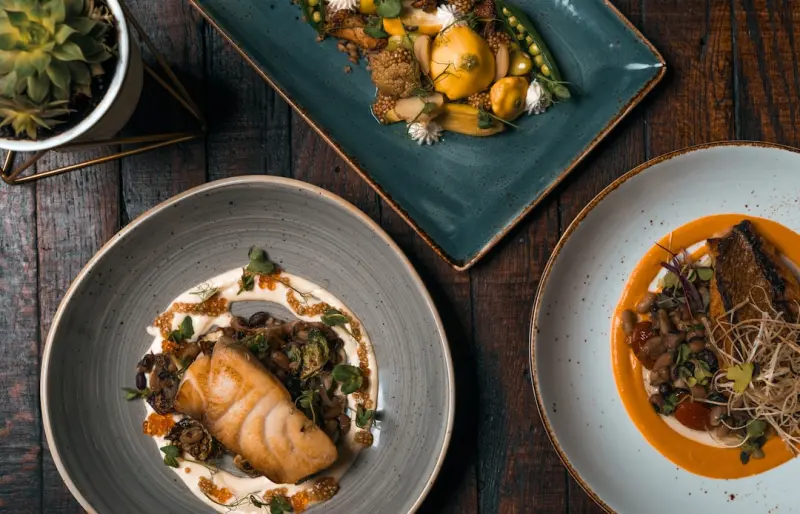
How Light Becomes the Secret Ingredient in Fine Dining
Explore the hidden power of restaurant lighting, how it shapes taste, mood, and the overall dining n... Read More
Top Posts
Why Fine Dining Feels Like Reading a Great Novel
Fine dining isn’t just about flavors; it’s a story unfolding on a plate. I share how chefs write plots, menus become chapters, and why the best tables feel ...Read More
The Best Restaurants of 2024: Becky Putman's Flavor‑First Exploration
Becky Putman reveals the 2024 best restaurants, from narrative menus and tech‑driven tables to hidden regional gems, all through her flavor‑first lens....Read More
Savoring History: The Best Restaurants That Turn Heritage Buildings into Culinary Experiences
Discover how dining in heritage buildings transforms meals into time‑traveling experiences, blending architecture, story, and flavor for unforgettable moments...Read More
When Loyalty Becomes Luxury: How Restaurants Turn Rewards into Experiences
Explore the shift from traditional points systems to immersive, experience‑driven loyalty programs that turn diners into brand storytellers and community amba...Read More
0 Comments
Post Comment
You will need to Login or Register to comment on this post!