
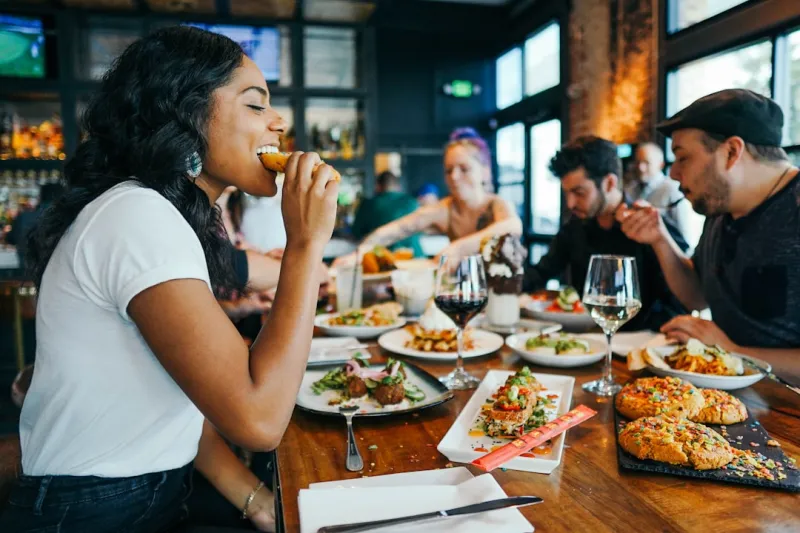
The Rise of Narrative Dining in Modern Restaurants
In the bustling world of gastronomy, a quiet revolution is reshaping how we experience a night out: restaurants are turning every plate into a chapter of a larger story, inviting guests to become protagonists in a culinary saga. This shift goes beyond seasonal menus or Instagram‑worthy plating; it is a deliberate choreography of scent, sound, and service that mirrors the arc of a well‑crafted novel, guiding diners from intrigue to climax and, finally, a lingering aftertaste of satisfaction. As a lifelong food enthusiast, I’ve begun to notice that the most buzzworthy venues are those that weave personal, cultural, or even mythical narratives into each course, making the act of eating feel like turning pages in a living book. Story‑driven dining is no longer a niche experiment—it’s fast becoming the benchmark for restaurants that aim to leave an indelible imprint on both palate and memory.
My First Encounter with a Story‑Centric Meal
It was a rainy Thursday when I stepped into a dimly lit bistro tucked behind an alley of vintage bookstores, and the maître d’ greeted me not with a menu, but with a whispered synopsis of the evening’s culinary plotline. He described the chef’s inspiration—a pilgrimage through the Silk Road—setting the stage for a tasting menu that would travel from spice‑laden Persian mezze to a delicate Japanese tea‑infused sorbet, each dish acting as a waypoint on a historic journey. As the first course arrived, I found myself inhaling aromas that evoked bustling market stalls, and the accompanying prose on the plate’s rim transformed my forkful into a sensory flashback. That night, I realized that food could be as narrative as a novel, and the experience sparked a curiosity that has since guided every reservation I make.
Why Narrative Matters: Connecting Emotion and Flavor
When a restaurant invests in storytelling, it creates an emotional bridge that transforms ordinary consumption into a memorable encounter, allowing guests to anchor flavors to feelings, memories, and aspirations. This emotional resonance is amplified by the brain’s natural tendency to remember stories more vividly than isolated facts; thus, a dish framed as “the lost heirloom recipe of a coastal village” will linger longer than a simple description of its ingredients. Moreover, narrative dining invites diners to engage intellectually, prompting questions about provenance, technique, and cultural significance, which in turn deepens appreciation for the chef’s craftsmanship. In my own palate, I find that dishes paired with a compelling backstory taste richer, as if the tale itself adds an invisible layer of seasoning that elevates the overall experience.
Designing Menus as Chapters: The Chef’s Craft
Chefs who embrace storytelling approach menu development much like authors outline a plot, carefully arranging appetizers, intermezzi, and desserts to build tension, release, and resolution. They begin with a “prologue”—often a light amuse‑bouche that teases the central theme—followed by a “rising action” of increasingly complex flavors that challenge the palate and set expectations for the climax. The centerpiece, akin to a novel’s pivotal chapter, usually showcases the chef’s most daring technique or most personal ingredient, demanding full attention. Finally, the “denouement” arrives as a delicate palate cleanser or sweet epilogue, allowing diners to reflect on the journey before they depart. This structure not only guides the sensory experience but also provides a cohesive narrative thread that ties disparate dishes into a unified story, making each visit feel purposeful rather than accidental.
Spotlight on a Narrative‑Driven Gem
One establishment that epitomizes this approach is a downtown venue I call “The Cartographer’s Table,” where the chef maps each course to a different continent, using locally sourced produce to reinterpret global flavors through a personal travel diary lens. The opening plate, a smoked beet tartare, is presented on a miniature parchment map, and the server reads a brief excerpt about the beet’s origins in Andean highlands, instantly transporting diners to misty mountain valleys. Midway, a daring South‑African braai‑style lamb is served with a storytelling card describing the chef’s apprenticeship under a nomadic shepherd, adding layers of authenticity and intrigue. The finale—a deconstructed tiramisu—references the Italian city of Verona, completing the world‑tour narrative and leaving guests with a lingering sense of having traversed continents without leaving their seat.
Further Exploration of Story‑Driven Dining
For readers hungry for deeper insight, I highly recommend checking out The Ultimate Foodie’s Guide to the Best Restaurants That Tell a Story, which curates a list of eateries that masterfully blend cuisine with narrative arcs. The guide not only highlights menu concepts but also delves into the philosophical motivations behind each chef’s storytelling ambition, offering a roadmap for anyone eager to experience meals that feel like chapters in a novel. Additionally, my previous reflections in Fine Dining as Narrative: How Every Course Becomes a Story explore how subtle cues—from table settings to lighting—contribute to the overall narrative, underscoring that storytelling in restaurants is a holistic endeavor rather than a single gimmick.
How Diners Can Identify a Narrative Experience
Spotting a story‑centric restaurant is easier than you might think if you tune into three key signals: intentional menu language, immersive ambience, and staff engagement. Look for menu descriptions that go beyond ingredient lists, offering context, anecdotes, or cultural references that hint at a larger tale. The physical space often mirrors the narrative theme—think mural‑covered walls depicting travel routes, ambient music that aligns with the cuisine’s origin, or tableware that feels like props from a stage play. Finally, attentive servers who can recount the inspiration behind each dish, answer curious questions, and perhaps even share personal anecdotes become the narrators of the evening, guiding you through the story with confidence. When these elements align, you know you’ve entered a dining experience designed to linger in memory long after the bill is paid.
The Ripple Effect on the Restaurant Industry
As more establishments adopt narrative frameworks, the competitive landscape is shifting toward experiences that prioritize emotional connection over mere culinary prowess. This trend is prompting culinary schools to incorporate storytelling workshops into their curricula, encouraging future chefs to think like authors as well as cooks. Investors are also taking note, funding concepts that promise not just food, but immersive journeys that can command premium pricing and generate buzz on social platforms. In turn, diners are becoming more discerning, seeking authenticity and depth rather than just novelty, which raises the bar for every restaurant striving to stay relevant. Ultimately, the rise of narrative dining is fostering a richer, more collaborative ecosystem where chefs, storytellers, and patrons co‑create moments that transcend the plate.
Embracing the Story: Your Next Culinary Adventure
Whether you’re a seasoned gastronome or a casual explorer, I encourage you to venture beyond traditional menus and seek out restaurants that treat each course as a page in a larger tale. Let the chef’s vision guide you, allow the ambience to set the mood, and engage with the staff to uncover the hidden chapters that make each bite meaningful. By embracing this approach, you’ll discover that dining can be as intellectually stimulating as it is delicious, turning ordinary evenings into unforgettable stories you’ll recount for years to come. So the next time you scan a reservation app, remember to ask: “What story does this restaurant want to tell me tonight?” and let the narrative unfold.

When it comes to the world of blogging and writing, Rose DesRochers is a name that stands out. Her passion for creating quality content and connecting with her audience has made her a trusted voice in the industry. Aside from her skills as a writer and blogger, Rose is also known for her compassionate nature.
Related Posts
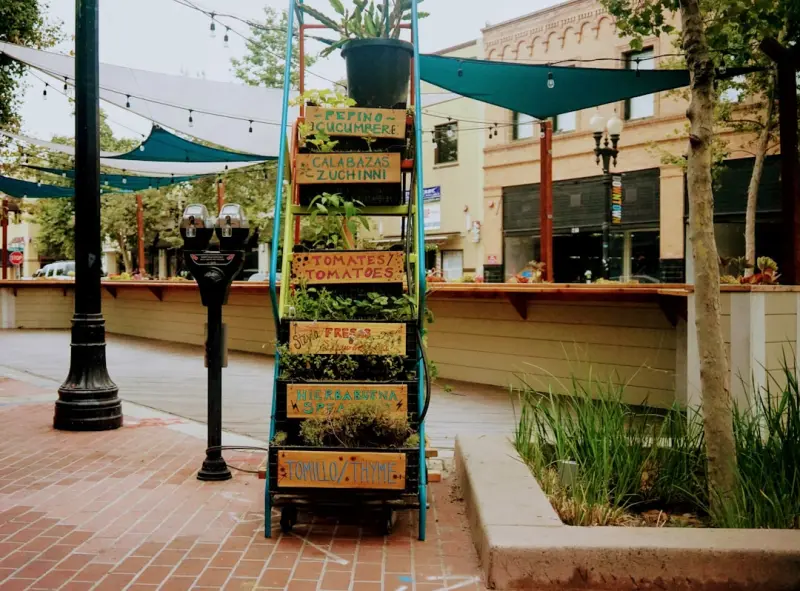
From Seed to Plate: How Urban Farm‑To‑Table Restaurants Are Redefining Freshness
Explore the rise of urban farm‑to‑table restaurants, where on‑site gardens deliver unparallele... Read More
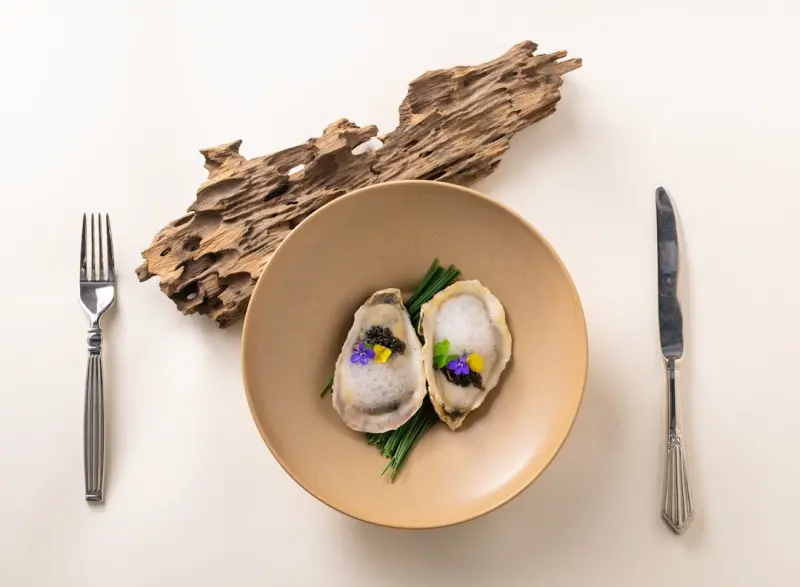
The Art of Dining: How Restaurants Turn Meals Into Stories
Discover why today’s dining scene feels like storytelling, with chefs designing menus that read li... Read More
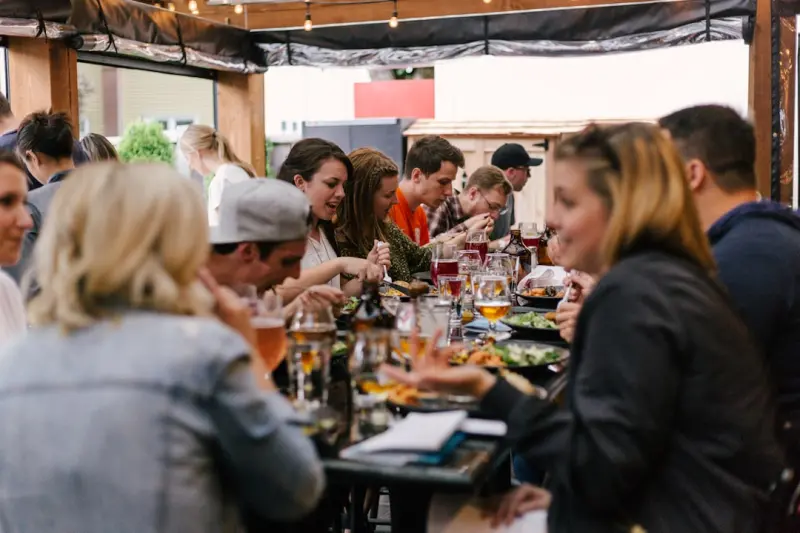
The Rise of Community Tables: Redefining Social Dining
Explore the growing trend of community tables in restaurants, where shared seating creates deeper co... Read More
Top Posts

The Hidden Rise of Ghost Kitchens: How Invisible Restaurants Are Redefining Dining
Discover the silent surge of ghost kitchens, the tech behind data‑driven menus, and how diners can shape this invisible dining revolution....Read More

A Flavor‑First Journey Through the Hottest Restaurants
Dive into a flavor‑first adventure that uncovers hidden culinary gems, where each dish tells a story and every restaurant feels like a living narrative....Read More
When a Meal Becomes a Narrative Adventure
Fine dining is more than taste; it’s a storytelling journey where every course, setting, and service detail weaves a narrative that lingers long after the las...Read More

Hidden Gems: Unlocking the World of Invitation‑Only Restaurants
Explore the rise of invitation‑only restaurants, learn insider tips to join these exclusive clubs, and understand their influence on today’s dining landscap...Read More
0 Comments
Post Comment
You will need to Login or Register to comment on this post!