

The Feedback Loop That Fuels Culinary Evolution
In the bustling world of fine dining, the most celebrated kitchens have quietly adopted a habit that feels more like a scientific experiment than a traditional chef’s intuition: they treat every guest comment as a data point in a living spreadsheet of taste, ambiance, and expectation. By deploying tablets at the table, follow‑up emails, and even social‑media listening tools, these restaurants translate fleeting impressions into actionable insights that guide everything from plating tweaks to the introduction of entirely new seasonal concepts. The result is a menu that feels both familiar and exhilarating, because it has been honed by the collective palate of its diners rather than the solitary vision of a lone chef.
From Opinion to Innovation: Turning Guest Stories into Signature Dishes
When a patron recounts a nostalgic memory of a childhood flavor, the kitchen doesn’t simply file it away; it invites the culinary team to reinterpret that story through the lens of contemporary technique, creating dishes that resonate on a personal level while maintaining the restaurant’s brand identity. This practice, often referred to as “story‑driven menu development,” bridges the gap between the emotional resonance of a memory and the precision of modern gastronomy, resulting in plates that feel like a warm conversation between the diner and the chef. It’s a subtle shift from menu as a static showcase to menu as a living dialogue, and it’s why some establishments seem to anticipate the next craving before the customer even realizes it.
Leveraging Technology Without Losing Soul
While the romance of handwritten notes is undeniable, the most successful eateries blend that charm with the analytical power of AI to sift through thousands of reviews in minutes, spotting trends that would be invisible to the human eye. For instance, a subtle spike in mentions of “earthy umami” after a new mushroom‑based entrée can prompt the chef to experiment with additional foraged varieties, deepening the restaurant’s connection to its terroir and its diners. The balance lies in using tools like AI‑Powered Personalization to amplify human creativity rather than replace it, ensuring that every data‑driven adjustment still carries the unmistakable imprint of the chef’s personality.
Staff as Storytellers: The Human Element Behind Every Plate
Even the most advanced analytics cannot replicate the impact of a server who knows the origin of each ingredient and can weave that narrative into a brief, heartfelt description that transforms a bite into an experience. Training programs now emphasize narrative techniques, encouraging staff to share anecdotes about the farmer who tended the heirloom tomatoes or the tradition behind a spice blend, turning ordinary service into an immersive lesson in culinary heritage. When diners feel that the people behind the menu care enough to articulate its story, the restaurant earns a level of loyalty that no discount or loyalty program can match.
Iterative Menus: The Art of Seasonal Micro‑Adjustments
Instead of waiting for the calendar to turn a new season, some chefs now adopt a “micro‑season” approach, tweaking ingredients weekly based on the freshest market arrivals and real‑time feedback from diners. This dynamic method means that a salad that appeared on the menu in early spring might feature a different herb combo by mid‑April, reflecting both the evolving taste of the local farm and the subtle preferences expressed by regular patrons. Such agility not only keeps the menu exciting but also signals to guests that the restaurant is deeply attuned to the rhythms of its environment and its community.
Community‑Centric Curation: When Diners Become Co‑Creators
Beyond passive feedback, a growing number of top‑tier restaurants invite their most loyal guests to participate in “menu labs,” exclusive tasting events where participants sample experimental dishes and vote on which should move to the main dining room. These sessions foster a sense of ownership among diners, turning them into brand ambassadors who champion the restaurant’s evolution both online and offline. The collaborative atmosphere also provides chefs with a laboratory of ideas, reducing the risk associated with bold innovations while amplifying the authenticity of the final offering.
Designing Spaces That Invite Dialogue
Physical layout plays a quiet but pivotal role in encouraging guests to share their thoughts; open‑kitchen concepts, communal tables, and visible chef stations create natural conversation hubs where feedback can be exchanged instantly, often over the clink of glasses and the sizzle of a pan. When diners see the chef plating their dish and can ask a quick question, the interaction becomes a two‑way street, enriching the culinary experience and providing immediate insight that can be recorded and acted upon later. This openness also aligns with the transparency that modern food lovers demand, reinforcing trust and long‑term patronage.
Balancing Consistency with Exploration
One of the greatest challenges for any acclaimed restaurant is maintaining the reliability that regulars expect while still offering fresh, exploratory experiences that attract new clientele. By establishing a core menu of signature dishes that remain untouched, chefs free up a rotating section where experimental items—born from recent feedback and data analysis—can appear, disappear, and re‑emerge as trends evolve. This strategic partitioning ensures that the restaurant’s identity remains intact, even as its culinary canvas continuously expands with the collective imagination of its diners.
Measuring Success Beyond Stars
Traditional metrics such as critic reviews and star ratings only tell part of the story; the most forward‑thinking establishments now track “engagement velocity,” a composite score that weighs repeat visit frequency, average feedback sentiment, and the proportion of menu items that have been iterated upon within a given period. By publishing these insights in quarterly transparency reports, restaurants demonstrate a commitment to continual improvement, inviting guests to become part of a shared journey toward culinary excellence. In this ecosystem, the line between restaurant and community blurs, and the best eateries emerge not just as places to eat, but as collaborative spaces where flavor, data, and story intertwine.

When it comes to the world of blogging and writing, Rose DesRochers is a name that stands out. Her passion for creating quality content and connecting with her audience has made her a trusted voice in the industry. Aside from her skills as a writer and blogger, Rose is also known for her compassionate nature.
Related Posts

The Secret Ingredients Behind the Best Restaurants
Discover how travel memories, family heritage, daring collaborations, and smart reservation strategi... Read More

Best Restaurants of 2024: Rose DesRochers’ Insider Picks
Rose DesRochers shares her personal journey through the 2024 restaurant renaissance, highlighting th... Read More

Becky Putman's Flavor‑First Tour of the Best Restaurants in 2024
Becky Putman shares her personal journey through 2024’s culinary landscape, highlighting the most ... Read More
Top Posts
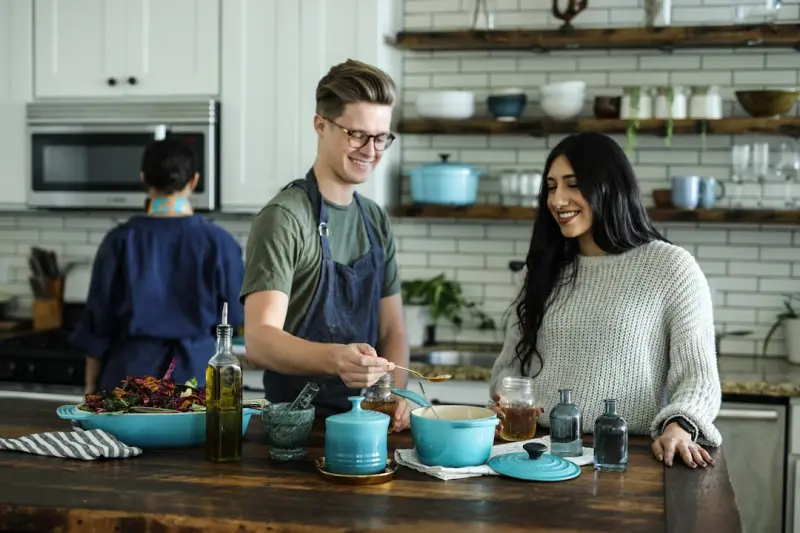
Diners Turned Chefs: The Collaborative Kitchen Trend
Restaurants are breaking the kitchen door, letting diners help design the menu. This collaborative approach turns meals into shared adventures, deepening loyalt...Read More
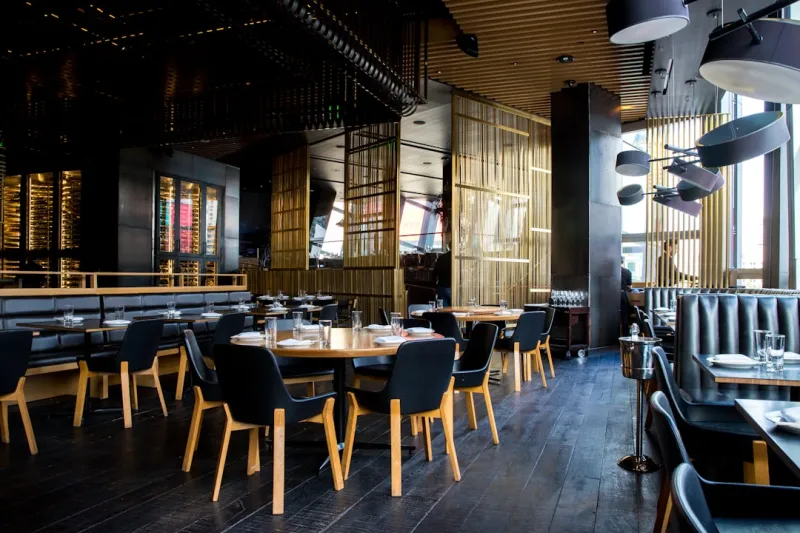
Why 2026’s Hottest Restaurants Are Redefining the Dining Experience
Discover the 2026 restaurant renaissance where narrative, sustainability, and immersive tech turn each meal into a memorable story....Read More
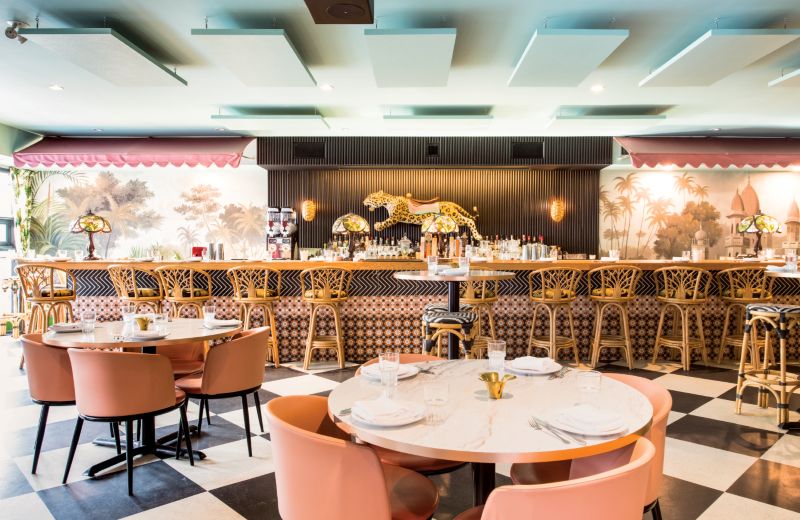
What Makes a Good Restaurant Good: A Symphony of Elements
In the world of dining out, a restaurant’s success hinges on more than just the food on the plate. While delectable cuisine is undoubtedly a cornerstone of a ...Read More

The Narrative Plate: How Fine Dining Transforms a Meal into a Story
Explore the art of fine‑dining storytelling, where every dish, wine, and setting becomes a chapter in a memorable culinary narrative....Read More
0 Comments
Post Comment
You will need to Login or Register to comment on this post!