
Why Restaurants Are Turning Into Neighborhood Wellness Hubs
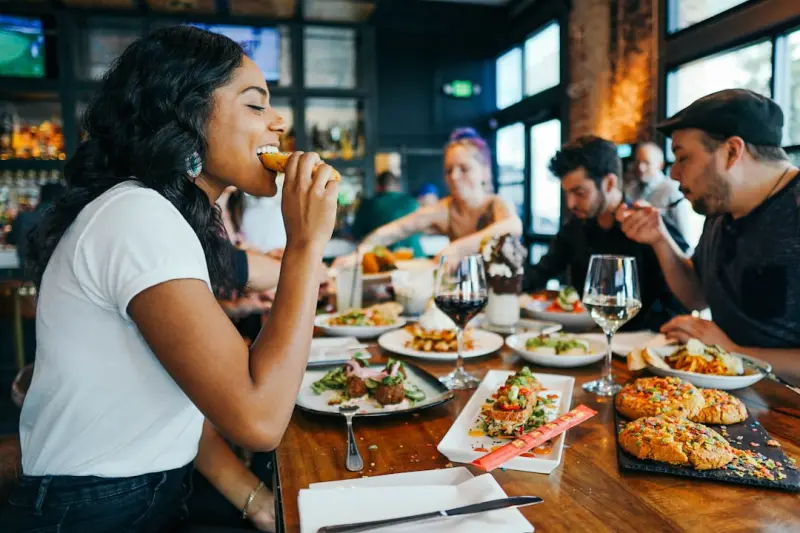
When I first stepped into a downtown bistro that greeted me with a soft scent of lavender and a wall of community‑created artwork, I felt something shift beyond the usual hunger cue. Restaurants are quietly redefining their purpose, moving from pure culinary destinations to spaces that nurture mental health, social connection, and local resilience. This evolution isn’t a fleeting trend; it’s a response to growing research that shows shared meals can lower stress hormones, boost mood, and even improve immune function. As diners, we now have the chance to experience food that heals both body and spirit, while supporting a place that feels more like a living room than a checkout counter.
The Science of Shared Meals and Mental Health
Decades of sociological studies confirm that eating together creates a sense of belonging that combats loneliness, a risk factor linked to depression and heart disease. By designing seating that encourages conversation—large communal tables, flexible lounge areas, and quiet nooks—restaurants are crafting environments where strangers become allies. I’ve noticed that when a server asks about a guest’s day or offers a calming tea, the interaction feels therapeutic, turning a simple dinner into a moment of mindful pause. The subtle art of listening, paired with a nourishing plate, can spark the same serotonin lift that a yoga session promises, but with the added pleasure of flavor.
Menu Therapy: Foods Chosen for Mood and Mind
Beyond taste, chefs are now consulting nutritionists to build menus that support brain health. Think omega‑rich fish, antioxidant‑packed berries, and fermented kimchi that feed the gut‑brain axis. I love spotting a dish labeled “Mood‑Boosting Bowl” and learning that each ingredient was selected for its cortisol‑reducing properties. This intentional approach mirrors the philosophy found in The Power of Storytelling in Restaurants, where the narrative behind a plate deepens the dining experience. When diners understand why a herb is chosen, the act of eating becomes an educational ritual that reinforces positive mental habits.
Design Elements That Calm the Senses
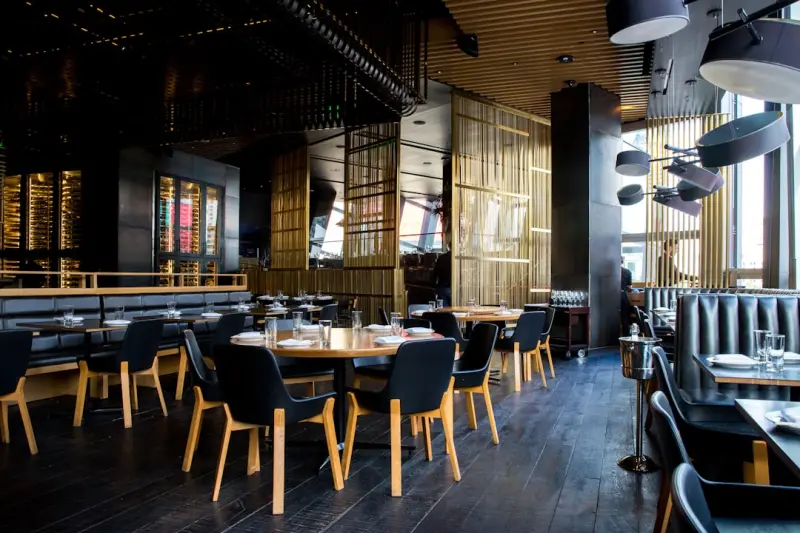
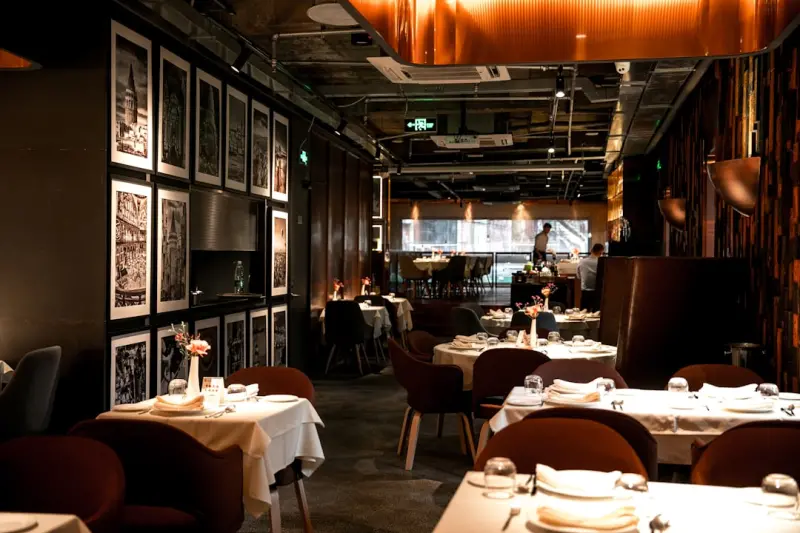
Lighting, texture, and acoustics are now engineered to lower anxiety. Soft, adjustable lighting mimics natural daylight, while acoustic panels absorb the clatter of dishes, creating a gentle hum rather than a cacophony. I’ve found that restaurants incorporating natural wood, indoor plants, and even water features provide a tactile reminder of the outdoors, a proven stress reducer. These design choices are not merely aesthetic; they are purposeful tools that help guests transition from the hustle of the street to a sanctuary of calm, making the dining experience feel like a brief retreat.
Community Partnerships That Extend Wellness Beyond the Table
Many establishments are partnering with local therapists, yoga studios, and art collectives to offer pop‑up workshops, meditation nights, and creative workshops right after dinner service. I recently attended a “Mindful Sketch” hour where diners were invited to doodle while sipping herbal tea, turning the restaurant into an impromptu studio. By integrating these programs, restaurants become hubs where physical nourishment meets emotional enrichment, reinforcing the idea that health is holistic. Such collaborations also deepen ties with the neighborhood, turning patrons into regular contributors to a shared well‑being ecosystem.
Staff Training as Emotional First Responders
Front‑of‑house teams are receiving training that goes beyond etiquette, focusing on empathy, active listening, and de‑escalation techniques. When a server can recognize a guest’s subtle signs of distress and respond with a comforting gesture—a warm blanket, a calming playlist, or simply a compassionate ear—it transforms the service into a moment of genuine care. I’ve observed that this human‑centered approach not only elevates customer satisfaction but also reduces turnover among staff, who feel empowered to make a positive impact every shift.
Measuring Impact: Data That Shows Real Change
Forward‑thinking restaurants are tracking metrics like repeat visitation rates, customer mood surveys, and community engagement scores. By analyzing this data, they can refine menu items, adjust seating layouts, and tailor wellness events to meet actual needs. I was impressed by a case study where a mid‑city eatery saw a 30% rise in return guests after launching a weekly “Wellness Wednesday” series, proving that intentional design and programming translate into tangible loyalty. These insights also help owners justify investments in mental‑health‑focused initiatives to stakeholders.
Future Outlook: Scaling the Wellness Model
As the appetite for holistic experiences grows, we can expect more chains to adopt these community‑wellness principles, but with localized flair. Imagine a franchise that offers a standardized “Calm Corner” blueprint, yet leaves space for each location to collaborate with local mental‑health professionals and artists. This blend of consistency and customization could democratize access to therapeutic dining, making it a staple rather than an exception. The ripple effect may even influence culinary schools to embed wellness modules into their curricula, ensuring the next generation of chefs carries this mission forward.
How You Can Join the Movement
Whether you’re a frequent diner, a restaurateur, or a curious foodie, you have a role in this shift. Start by seeking out eateries that prioritize communal seating, mood‑boosting menus, and community events—look for signs like “Mindful Menu” or “Community Table.” Share your experiences on social media, encouraging others to explore these spaces. And if you own a restaurant, consider piloting one small wellness initiative—perhaps a gratitude wall or a weekly meditation hour. Small steps can snowball into a citywide culture where every meal becomes a chance to heal, connect, and thrive.

Becky Putman is an Ottawa-based freelance writer and marketing professional with a passion for storytelling, animals, and community involvement. She enjoys creating engaging content that informs, inspires, and connects with readers.
Related Posts

AI on the Plate: How Smart Tech is Personalizing Your Restaurant Experience
Discover how AI is reshaping restaurants—from smart reservations and personalized menus to kitchen... Read More
The Power of Storytelling in Restaurants: Turning Meals into Memorable Narratives
Explore how authentic narratives, music, design, and community voices turn ordinary meals into memor... Read More
When a Plate Becomes a Story: A Foodie’s Journey Through Narrative Dining
A passionate foodie reveals why meals are becoming stories, sharing unforgettable restaurant experie... Read More
Top Posts
When Pixels Meet Palates: Augmented Reality Elevates Fine Dining
Explore the rise of AR in fine dining, where holographic plates, interactive wine pairings, and sustainable storytelling transform meals into immersive, collabo...Read More

The Best Restaurants That Turn Meals Into Unforgettable Stories
Explore the finest restaurants that transform meals into captivating stories, offering a sensory narrative that lingers long after the last bite....Read More
How Remote‑Work Culture Is Redefining Restaurant Design and Service
Remote workers are reshaping restaurants, from power‑outlet‑rich seating to focus‑friendly menus and real‑time reservation tech, turning dining spaces i...Read More
When Fine Dining Becomes a Narrative Adventure
Discover how fine dining turns each course into a chapter, with plates, service, and ambience weaving together to create a memorable narrative adventure....Read More
0 Comments
Post Comment
You will need to Login or Register to comment on this post!