
Rethinking the Plate: Material Matters
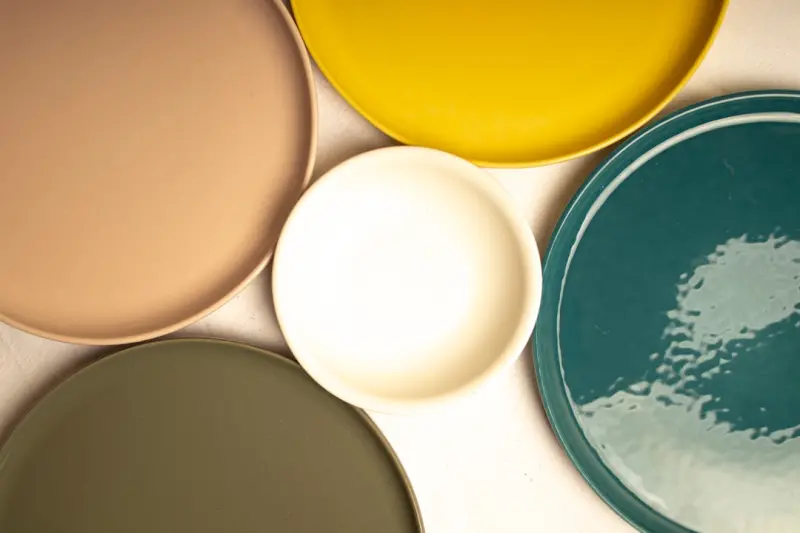
When I first stepped into a downtown tasting room, the first thing that stopped me wasn’t the menu—it was the plate beneath my fork. A hand‑blown porcelain bowl, its glaze whispering a muted teal, transformed a simple pea purée into a miniature landscape, and I realized that materiality is the silent narrator of a fine‑dining experience. Over the past few years, chefs have swapped conventional china for reclaimed wood, smoked glass, and even biodegradable seaweed composites, each choice echoing a philosophy that goes beyond aesthetics and into the realm of tactile storytelling. The weight of a stoneware charger, the cool kiss of a marble slab, or the gentle flex of a bamboo bowl all coax the palate to respond differently, turning the act of eating into a choreography of senses that the chef meticulously composes.
The Invisible Engineer: Tableware Technology
Beyond the tactile, a quiet revolution is embedding micro‑electronics into the very plates that support our courses, a trend I encountered while attending a chef‑curated pop‑up in a converted warehouse. Imagine a dinner plate that can subtly warm a slice of foie gras just as it reaches the table, or a dessert saucer that flashes a soft amber hue to signal the perfect moment for a sip of vintage port; these innovations are not gimmicks but extensions of the kitchen’s precision, marrying culinary art with engineering finesse. While the notion of “smart” tableware might conjure images of futuristic gimmickry, the reality is far more nuanced—tiny temperature sensors, embedded NFC chips for instant wine pairing notes, and responsive surfaces that alter texture under different lighting conditions are becoming the new sous‑chef. As diners, we are invited to engage with our meals on a kinetic level, feeling the gentle pulse of a heated plate or the whisper of a cooling surface, and in doing so we become part of an interactive performance that reshapes the traditional static dining tableau.
Curating the Service Ritual: From Handshake to Whisper
The choreography of service has always been the invisible backbone of fine dining, yet today’s establishments are re‑imagining each touchpoint as a deliberate ritual that deepens connection. I recall a recent evening where the maître d’ greeted each guest not with a generic welcome, but with a handwritten note referencing a personal anecdote gleaned from a pre‑dinner questionnaire—an approach that transformed the opening exchange into a bespoke prelude. This level of personalization extends to the pacing of courses, the cadence of wine pours, and even the way silverware is presented; a subtle pause before a palate cleanser, for instance, invites contemplation, while a whispered description of a dish’s provenance adds layers of intrigue. By treating service as a narrative thread, restaurants are turning the act of being attended to into an art form, fostering an environment where guests feel both celebrated and intimately involved in the culinary story.
Designing for Dialogue: Table Layouts That Invite Interaction
Traditional fine‑dining rooms often favor isolation—private booths, intimate corners, and a strict hierarchy of space. My latest venture into a seaside venue challenged that convention, arranging communal long tables that encouraged strangers to share a tasting menu and, consequently, their perspectives on the cuisine. This spatial re‑configuration does more than economize square footage; it cultivates a dynamic where conversation becomes part of the meal, and the flavors are discussed, compared, and celebrated collectively. The subtle curvature of the table, the strategic placement of ambient speakers, and the choice of low‑profile seating all collaborate to lower barriers, prompting diners to glance up from their plates and into each other’s eyes. In an era where digital distraction is omnipresent, these intentional layouts foster a renaissance of face‑to‑face dialogue, reinforcing the communal roots of gastronomy while preserving the elevated standards of fine dining.
Wine Pairing Reinvented: Data‑Driven Palate Matching
While sommelier intuition has long been the gold standard for wine selection, a growing number of establishments are integrating data analytics to refine the art of pairing. At a recent tasting menu, the chef’s team employed an AI‑driven platform that cross‑referenced flavor compounds, regional terroir, and even individual guest preferences captured via a discreet pre‑dinner survey. The result was a series of pairings that felt both daring and intuitively harmonious—think a lightly oxidized sherry matched with a caramelized fennel broth, or a bright Albariño paired with a citrus‑infused scallop tartare. This blend of technology and tradition does not replace the sommelier’s expertise; rather, it amplifies it, providing a richer canvas from which nuanced recommendations emerge. For diners, the experience feels personalized on a molecular level, as each sip seems to echo the exact note of the dish it accompanies, elevating the sensory dialogue to a new, almost scientific precision.
Zero‑Waste Plate Philosophy: Beyond Sourcing
Conversations about sustainability in fine dining often orbit around sourcing, yet an emerging movement is shifting focus to the very end of the plate—how leftovers are transformed, repurposed, or eliminated entirely. During a recent visit to a Michelin‑starred kitchen, I observed chefs crafting “stock‑in‑a‑glass” capsules from vegetable trimmings, later used to finish sauces tableside, turning what would be waste into a flavor‑intensifying flourish. Some restaurants are now offering diners a choice: a complimentary “scrap tasting” where the remnants of today’s menu are re‑imagined into a surprise amuse‑bouche, showcasing the chef’s ingenuity while reinforcing a message of respect for ingredients. This approach not only reduces waste but also educates guests, turning the act of consumption into a reflective practice that acknowledges the journey from farm to fork and back into the culinary cycle.
Artistic Collaboration: When Chefs Meet Visual Artists
In recent months I’ve attended several events where chefs partnered with contemporary artists to create immersive plate presentations that blur the line between food and sculpture. One memorable collaboration featured a minimalist oil painting projected onto a transparent glass plate, the colors shifting in tandem with the dish’s temperature, creating a living canvas that evolved with each bite. These interdisciplinary projects invite diners to contemplate not just taste, but visual narrative, challenging the traditional hierarchy where flavor reigns supreme. By integrating installations, kinetic art, and even performance dance into the service, restaurants are cultivating a multisensory gallery where each course is both a culinary and artistic exhibition, inviting patrons to linger longer, discuss more, and appreciate the convergence of creative disciplines.
Future Forecast: The Role of Augmented Reality Menus
Looking ahead, the next frontier of fine‑dining storytelling may arrive via augmented reality (AR) overlays that animate menu descriptions in three dimensions. Imagine pointing your phone at a printed menu and watching a virtual garden sprout, showing the exact herbs harvested for today’s herb‑crusted lamb, or seeing a swirling galaxy that illustrates the aging process of a rare barrel‑aged bourbon. Early adopters are already experimenting with QR‑linked AR experiences that blend narrative, provenance, and visual allure, turning a static list of dishes into an interactive journey. While the technology remains in its infancy, its potential to deepen engagement, educate diners, and elevate the perceived value of each course is undeniable. For those of us who cherish the intimacy of a well‑told culinary tale, AR promises a new medium through which the story can be both seen and felt, adding another layer to the ever‑evolving tapestry of fine dining.
Closing Thoughts: The Symphony of Subtle Innovations
Fine dining has always been a balance of tradition and innovation, but today’s evolution is defined by subtle, often invisible, enhancements that collectively reshape the experience. From the weight of a stoneware bowl to the whisper of a temperature‑controlled plate, from data‑driven wine pairings to collaborative art installations, each element composes a note in a larger symphonic narrative. As a diner who has witnessed these shifts firsthand, I find the most profound moments arise when the unseen—technology, design, service rituals—converge seamlessly with the palpable pleasures of taste and aroma. The future, it seems, will continue to be written not just on the palate but on the very surfaces, sounds, and gestures that surround us, inviting us to savor every nuance with renewed curiosity.

Becky Putman is an Ottawa-based freelance writer and marketing professional with a passion for storytelling, animals, and community involvement. She enjoys creating engaging content that informs, inspires, and connects with readers.
Related Posts
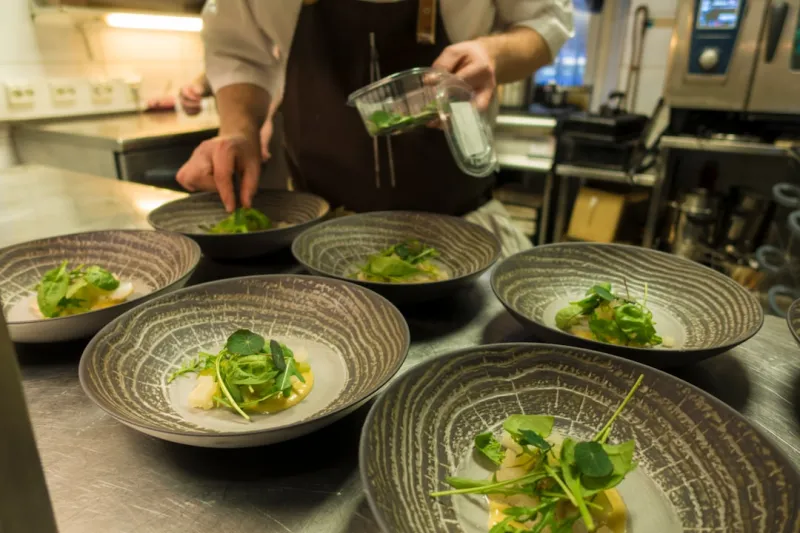
Savoring Stories: How Fine Dining Transforms Meals into Narrative Art
Discover the art of storytelling on a plate, where chefs craft each dish as a chapter, creating imme... Read More

Molecular Elegance: How Science Reinvents Fine Dining
Discover how chefs blend science and tradition, using techniques like spherification and flash freez... Read More
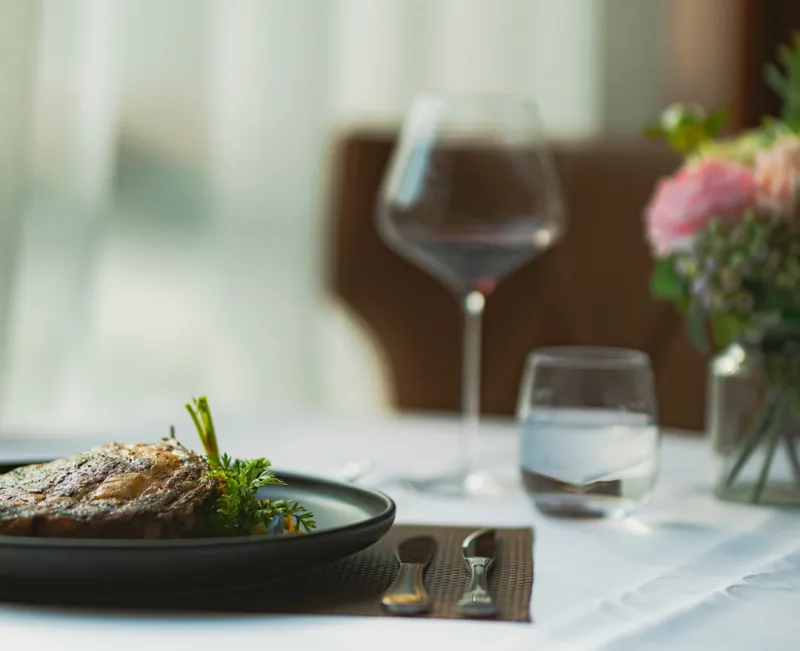
2026 Fine Dining: Sensory Storytelling Takes Over
In 2026 fine dining becomes a multisensory narrative, where sustainability, tech, and chef collabora... Read More
Top Posts
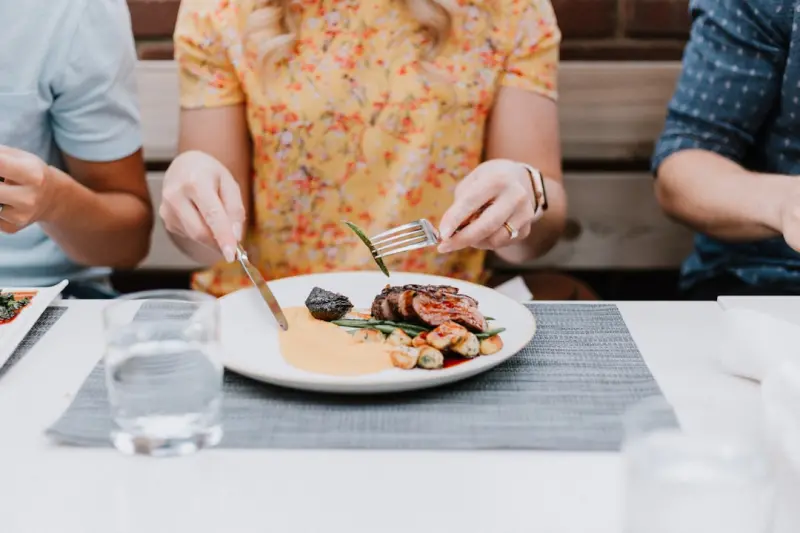
Inclusive Dining: How Top Restaurants Are Catering to Every Palate
Discover the rise of inclusive dining, where top restaurants blend allergen‑free menus, cultural respect, and tech tools to create welcoming experiences for e...Read More
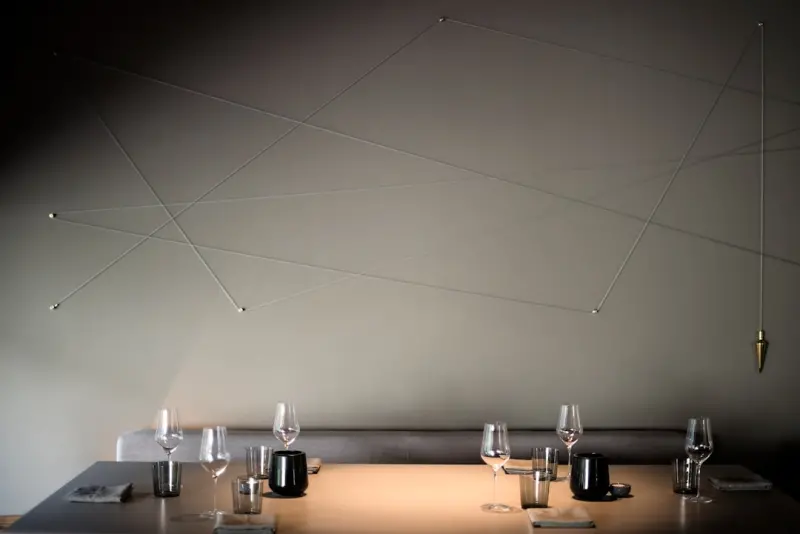
Illuminating Fine Dining: How Light Shapes Flavor, Mood, and Memory
Explore the subtle power of light in fine dining—how illumination can amplify flavors, set the mood, and turn each course into a memorable experience....Read More
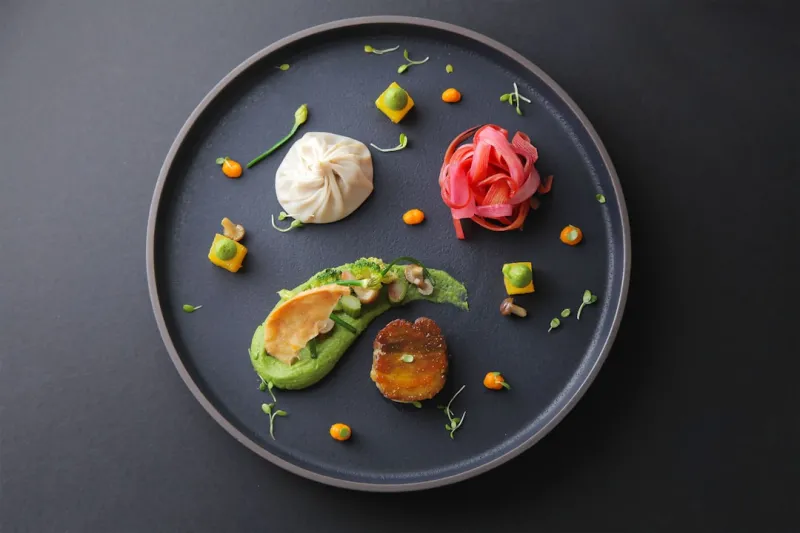
The Pursuit of Gastronomic Excellence: A Journey Through the World's Best Restaurants
Join me on a culinary journey through the world's best restaurants, where exceptional fine dining experiences await. From elegant eateries to avant-garde establ...Read More
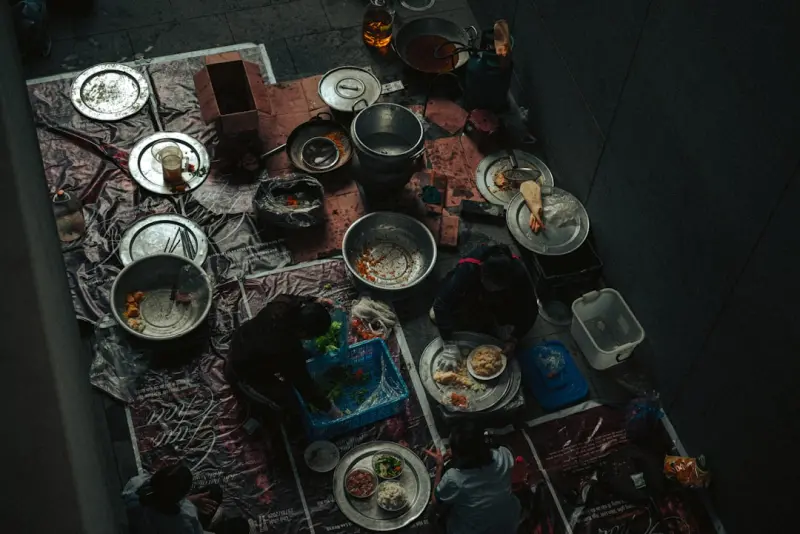
When a Meal Becomes a Narrative Adventure
Fine dining is more than taste; it’s a storytelling journey where every course, setting, and service detail weaves a narrative that lingers long after the las...Read More
0 Comments
Post Comment
You will need to Login or Register to comment on this post!