
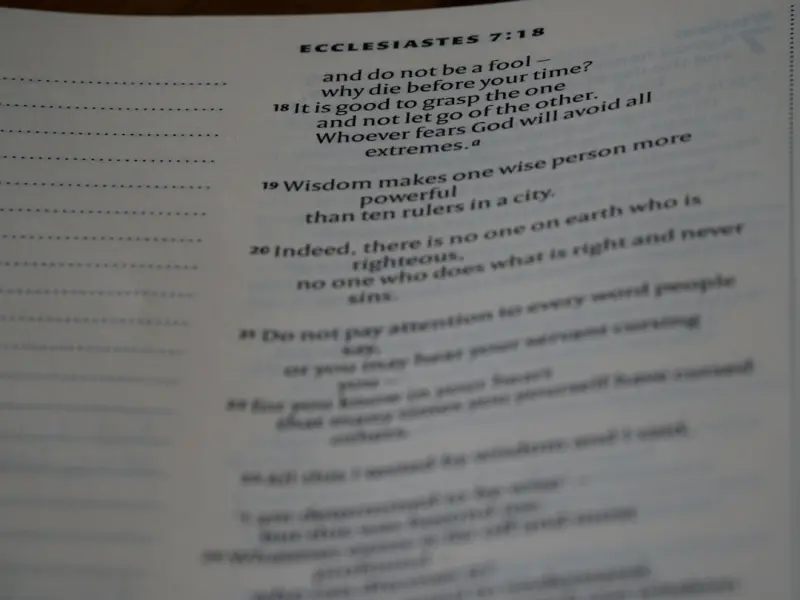
The Power of a Well‑Chosen Phrase
When you sit down at a table, the first thing that captures your imagination is often not the lighting or the plating, but the words that describe the dish; those carefully crafted descriptions act like a quiet maître d', inviting you into a narrative before the first bite arrives. A menu that reads like a short story can turn a simple ribeye into a charcoal‑kissed masterpiece, prompting diners to linger over the anticipation as much as the flavor itself. This linguistic alchemy is especially evident in restaurants that have mastered the art of menu wordcraft, where each line is deliberately chosen to evoke texture, heritage, and emotion, setting expectations that heighten satisfaction and, paradoxically, make the experience feel more personal.
Why Language Shapes Perception
Scientific studies in sensory psychology reveal that the adjectives we encounter on a menu can actually alter our taste perception, a phenomenon known as “expectation bias,” where words like “velvety” or “smoky” prime the palate to detect those exact sensations, even before the dish arrives. This subtle influence explains why a dish described as “hand‑rolled, sea‑salt‑cured dumplings” often feels more authentic than a plain “dumplings,” because the language conjures an image of craftsmanship and care. Restaurants that understand this dynamic use menu language not just to inform, but to transport diners, weaving in cultural references, seasonal anecdotes, and playful alliterations that turn ordering into an act of storytelling, reinforcing the restaurant’s brand identity with every choice.
Crafting a Narrative Arc
Just as a novelist structures a plot, top‑tier establishments design their menus with a beginning, middle, and climax, guiding guests through a culinary journey that builds anticipation and delivers payoff. The opening sections might feature light, palate‑cleansing appetizers described with airy verbs like “whisper” or “float,” setting a tone of elegance, while the middle courses introduce richer, more complex dishes with phrases that suggest depth, such as “earthy” or “layered.” The finale—a dessert or cheese board—often employs celebratory language, using words like “triumph” or “celebrate” to signal a satisfying conclusion. This deliberate sequencing, paired with evocative wording, ensures that diners experience a cohesive story, making the meal memorable and encouraging repeat visits.
Balancing Creativity with Clarity
While inventive language can enchant, it must never sacrifice clarity; overly obscure descriptions risk confusing guests, leading to disappointment if expectations aren’t met. Savvy chefs therefore strike a balance, using vivid adjectives that enhance imagination while still accurately conveying the core ingredients and cooking techniques. For instance, calling a dish “slow‑braised pork shoulder with a caramelized apple‑cider glaze” informs the diner of both the method and flavor profile, while the adjective “caramelized” adds a sensory hint that elevates excitement. This equilibrium between artistry and transparency ensures that the menu remains an inclusive guide, welcoming both food enthusiasts and casual diners alike.
Integrating Local Stories
One emerging trend among the most lauded eateries is the incorporation of local lore and terroir into menu descriptions, turning each plate into a miniature tribute to its origin. By referencing nearby farms, historic neighborhoods, or indigenous ingredients, restaurants create a sense of place that resonates with both locals and travelers seeking authentic experiences. A simple line such as “foraged nettle pesto sourced from the foothills of the Greenridge Preserve” does more than list an ingredient; it invites diners to imagine the surrounding landscape, forging an emotional connection that extends beyond the plate. This practice not only differentiates the establishment but also supports community storytelling, reinforcing the restaurant’s role as a cultural ambassador.
Case Study: Wordcraft in Action
Consider the acclaimed bistro that recently revamped its menu to emphasize narrative depth; each section now opens with a brief vignette that frames the dishes as chapters in a seasonal saga. The lamb shank, described as “a midnight‑slow‑roasted marvel, bathed in a rosemary‑infused reduction that whispers of autumn evenings,” earned rave reviews, with diners noting how the language heightened their anticipation and enhanced the perceived richness of the meat. This strategic shift in phrasing contributed to a measurable rise in repeat bookings, illustrating how the subtle power of words can translate directly into business growth, a point echoed in a recent analysis of value-driven dining experiences.
Training the Team
Effective menu wordcraft is not solely the domain of the executive chef; it requires collaboration between culinary staff, copywriters, and front‑of‑house personnel who can provide feedback on guest reactions. Many top establishments now hold “menu labs,” workshops where staff experiment with alternative phrasing, test guest responses, and refine the language to strike the perfect chord. This iterative process mirrors the tasting menu development cycle, emphasizing that the written menu is as much a dish as the food itself, deserving of the same level of craftsmanship and refinement. By involving the entire team, restaurants ensure consistency between the story told on the page and the experience delivered on the plate.
Future Directions: AI‑Assisted Wordsmithing
Looking ahead, some forward‑thinking restaurants are experimenting with artificial intelligence to generate menu copy that balances creativity with data‑driven insights, analyzing past customer feedback to pinpoint which adjectives generate the strongest positive responses. While this technology remains in its infancy, early adopters report that AI‑generated suggestions often surface unexpected descriptors that human writers might overlook, adding fresh dimensions to the menu narrative. However, the human touch remains essential to maintain authenticity and cultural nuance, ensuring that the final copy resonates emotionally rather than feeling algorithmic. As this synergy evolves, we can anticipate even more dynamic and personalized menu experiences that continue to set the benchmark for the best restaurants.

Becky Putman is an Ottawa-based freelance writer and marketing professional with a passion for storytelling, animals, and community involvement. She enjoys creating engaging content that informs, inspires, and connects with readers.
Related Posts
Hidden Gems: How to Eat Like a Foodie Without Breaking the Bank
Learn how to spot hidden culinary treasures, use menu cues, and time your visits to enjoy restaurant... Read More
Hidden Gems: Restaurants That Redefine Accessibility and Inclusive Dining
Explore restaurants that break barriers with thoughtful design, adaptable menus, and attentive staff... Read More

Charting Culinary Landscapes: How to Map Your City’s Best Restaurants
Discover a new perspective on dining: map your city’s restaurants like a culinary explorer and unc... Read More
Top Posts
How Light Becomes the Secret Ingredient in Fine Dining
Explore the hidden power of restaurant lighting, how it shapes taste, mood, and the overall dining narrative—turning light itself into a secret ingredient....Read More
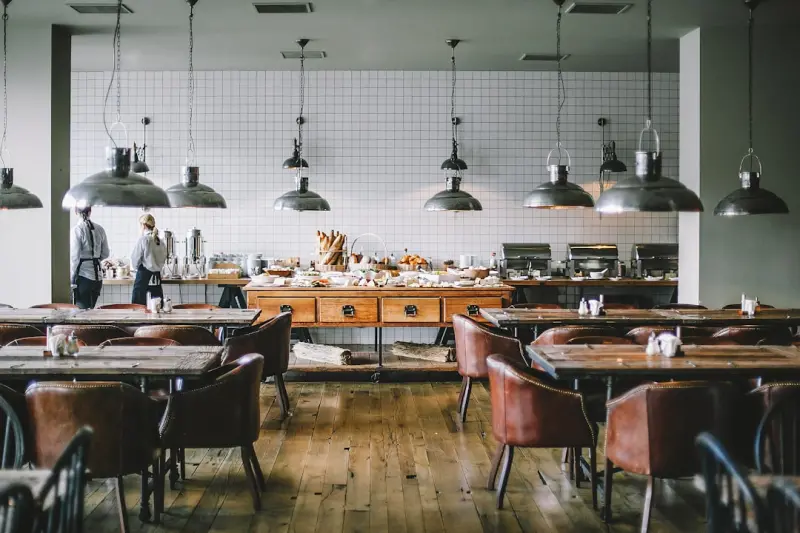
The Allure of Pop‑Up Restaurants: Why Temporary Kitchens Are Worth the Hunt
Explore the excitement of pop‑up restaurants—temporary venues that deliver experimental menus, unique settings, and unforgettable dining stories you won’t...Read More
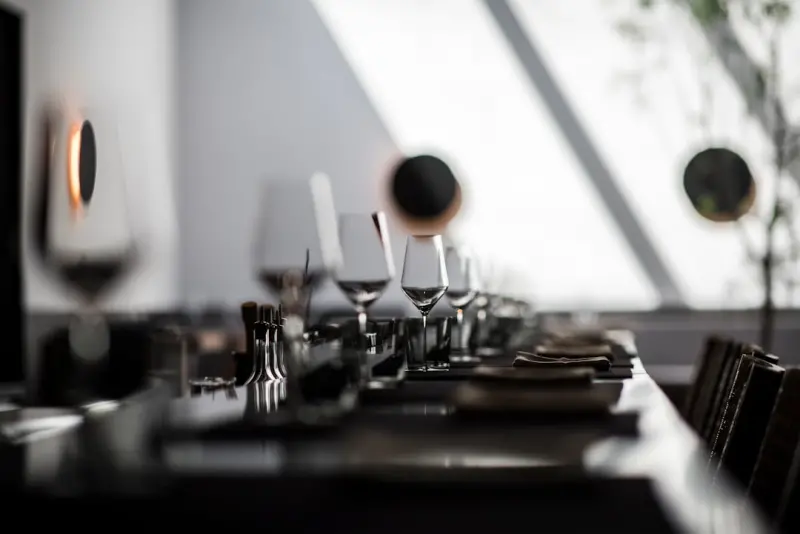
How Sound Shapes the Restaurant Experience
Discover why the right soundtrack and thoughtful acoustics can elevate a meal from ordinary to unforgettable, and learn practical tips to fine‑tune your resta...Read More
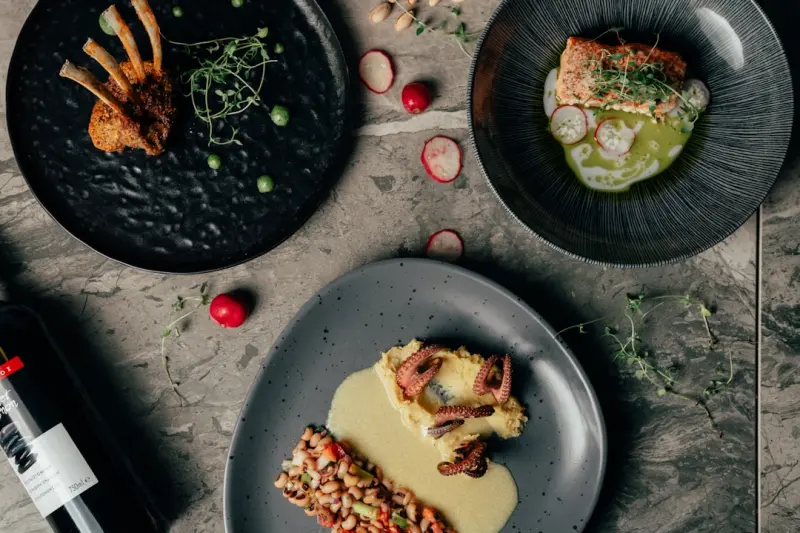
When Diners Shape the Menu: Community‑Sourced Cuisine is Changing Restaurants
Restaurants are inviting guests to co‑create dishes, turning menus into living, community‑driven experiences that boost loyalty, spark flavor innovation, an...Read More
0 Comments
Post Comment
You will need to Login or Register to comment on this post!