
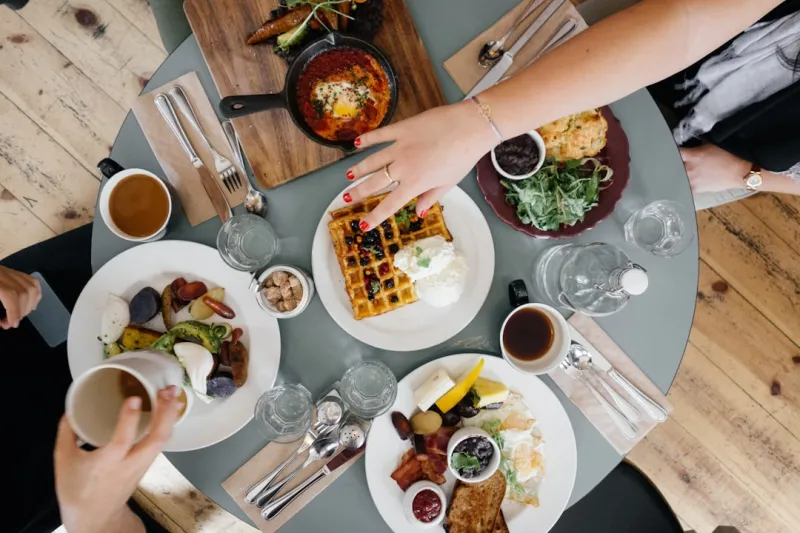
The Hunt Begins: Mapping My Culinary Compass
Every time I step out with a notebook in hand, I feel like an explorer charting a new continent, my compass set to the flavors that whisper the most compelling tales; the city streets become rivers of aroma, each alley promising a hidden gem where the chef’s imagination is the only passport required. I spend evenings strolling past neon signs, listening to the clatter of plates as a soundtrack, and I let my instincts decide which door to push open, because the best restaurants are those that let the story unfold on the palate before the first bite even touches the tongue. In these moments, I’m reminded that great dining is as much about narrative as nourishment, and my pursuit is driven by that delicate balance between curiosity and the hunger for a truly unforgettable experience.
A City of Flavors: Where Streets Speak in Spice
Walking through bustling markets, I notice how vendors arrange their produce like characters in a drama, each color and texture hinting at the role it will play in the next act of my dinner; the sizzle of a wok, the perfume of fresh herbs, the smoky kiss of charred wood—all act as stage directions that set the scene for what’s to come. It’s in these urban kitchens that I first encountered the concept of a menu that reads like a short story, where each dish is a chapter, and the chef is both author and director, coaxing me to turn the page with every forkful. This symbiosis of environment and cuisine fuels my belief that the best restaurants are those that transform a simple night out into a narrative journey worth retelling.
Storytelling on the Plate: A Dining Experience Like No Other
One evening, I found myself at a tucked‑away bistro where the servers handed me a parchment menu written in elegant script, each description a vivid vignette that promised more than flavor—it promised feeling; the first course arrived as a miniature garden, its edible blossoms arranged to mirror a sunrise over a misty meadow, and I could almost hear the wind rustling through the leaves as I tasted the crisp, citrus‑infused broth. The chef approached me after the dish, explaining how each ingredient was sourced from a family farm that has tended the land for generations, weaving a tale of heritage that made every bite feel like a page from a treasured diary. It was in that moment I truly understood why restaurants are becoming storytelling stages, and I couldn’t help but link this revelation to the insights I shared in Why Restaurants Are Becoming Storytelling Stages, where I explore how narrative elevates the dining experience.
From Concept to Table: The Art of Culinary Narrative
Behind every memorable meal lies a meticulous design process, where chefs sketch out flavors as a playwright drafts dialogue, ensuring each component plays its part in a harmonious conversation; the plating itself becomes a storyboard, the placement of a micro‑herb or a drizzle of sauce acting as punctuation that guides the diner’s focus. I’ve sat with several kitchen teams who treat their pantry like a library, cataloguing spices and textures the way an archivist preserves rare manuscripts, and they proudly share the stories that inspired their creations—whether it’s a childhood memory of a seaside picnic or a tribute to a distant culture’s culinary heritage. This disciplined yet imaginative approach is why I often reference The Art of Dining: How Storytelling Elevates the Best Restaurants when discussing how narrative breathes life into plates, turning ordinary meals into unforgettable epics.
Curating the List: Criteria for the Ultimate Dining Diary
When I compile my definitive guide to the best restaurants, I employ a checklist that balances both objective quality and the intangible magic of storytelling; I evaluate the sourcing transparency, the chef’s ability to convey a coherent theme, the ambiance that supports the narrative, and the service that acts as a silent narrator guiding the guest through each act. I also consider the restaurant’s willingness to engage with its patrons—whether they invite questions about the dish’s origin or offer a tasting menu that unfolds like a plot twist, revealing layers of flavor that surprise and delight. By adhering to these standards, I ensure that my recommendations not only satisfy the palate but also feed the soul, inviting readers to embark on their own culinary adventures.
Hidden Gems: Uncovering Restaurants Off the Tourist Radar
While flagship establishments often dominate headlines, I’m constantly on the lookout for modest eateries tucked away in alleyways, where the owner’s passion shines brighter than any Michelin star; these places usually operate on a shoestring budget yet deliver dishes that resonate with authenticity, each plate echoing the community’s history and the chef’s personal journey. I recall a small rooftop garden café where the chef grew most of the vegetables on-site, crafting a menu that changed with the seasons and told a story of sustainability, resilience, and love for the land. Such discoveries reaffirm my belief that the most powerful stories often come from the humblest of settings, proving that greatness isn’t confined to grand façades but thrives wherever genuine creativity is served.
Future Tastes: How Technology is Shaping Narrative Dining
As digital menus and augmented reality become more prevalent, restaurants are experimenting with new ways to weave stories into the dining experience, using QR codes that unlock behind‑the‑scenes videos, interactive plating that reacts to lighting, and AI‑generated tasting notes that adapt to each guest’s preferences; this fusion of tech and tradition opens fresh chapters for chefs willing to innovate without sacrificing authenticity. I recently visited a cutting‑edge venue where a holographic chef introduced each course, explaining the cultural inspiration behind the ingredients, and the visual spectacle deepened my emotional connection to the meal, making the experience feel like a live performance. While some purists fear that technology may dilute the intimacy of storytelling, I see it as an exciting tool that, when used thoughtfully, can amplify the narrative power of food.
Takeaway: Craft Your Own Storytelling Feast
Ultimately, the journey to discovering the best restaurants is a personal quest, one that invites you to listen closely to the whispers of spice, the sighs of simmering sauces, and the silent stories etched onto every plate; by approaching each meal with curiosity and an open heart, you become an active participant in a shared narrative that transcends geography and time. I encourage you to keep a culinary journal, note the emotions each dish evokes, and don’t shy away from asking chefs about the inspiration behind their creations—these conversations often become the most vivid chapters of your dining diary. As you venture out, remember that the most rewarding meals are those that leave you feeling as if you’ve just turned the final page of a beautifully written book, eager to start the next story.

When it comes to the world of blogging and writing, Rose DesRochers is a name that stands out. Her passion for creating quality content and connecting with her audience has made her a trusted voice in the industry. Aside from her skills as a writer and blogger, Rose is also known for her compassionate nature.
Related Posts
Crafting the Future of Fine Dining: Data, Transparency, and Sensory Storytelling
Discover the next wave of restaurant innovation where AI‑driven menus, transparent sourcing, and i... Read More

Rose DesRochers’ Top Picks: The Best Restaurants of 2024
Rose DesRochers reveals her 2024 restaurant favorites, from intimate New York spots to hidden Portla... Read More
The Best Restaurants That Turn Meals Into Memorable Stories
A flavor‑first journey through the hottest eateries, revealing how the best restaurants turn each ... Read More
Top Posts
Becky Putman's 2024 Foodie Forecast: The Best Restaurants You Can't Miss
Becky Putman reveals the 2024 restaurant renaissance, highlighting hidden gems, flavor‑first dishes, and sustainable trends that make every meal an unforgetta...Read More
Becky Putman's 2024 Restaurant Renaissance: A Flavor‑First Journey Through Trends
Becky Putman uncovers 2024’s restaurant renaissance, highlighting flavor‑first philosophy, sustainable tech, and immersive dining trends that redefine the c...Read More
The Art of Dining: How Every Plate Tells a Story
Discover why today’s top chefs craft meals as narratives, how ambiance amplifies flavor stories, and where to find the most compelling narrative dining experi...Read More
The 2024 Restaurant Renaissance: Becky Putman’s Flavor‑First Journey Through Dining Trends
Becky Putman uncovers the 2024 Restaurant Renaissance, highlighting flavor‑first dining, sustainability, immersive concepts, and top restaurant picks that red...Read More
0 Comments
Post Comment
You will need to Login or Register to comment on this post!