
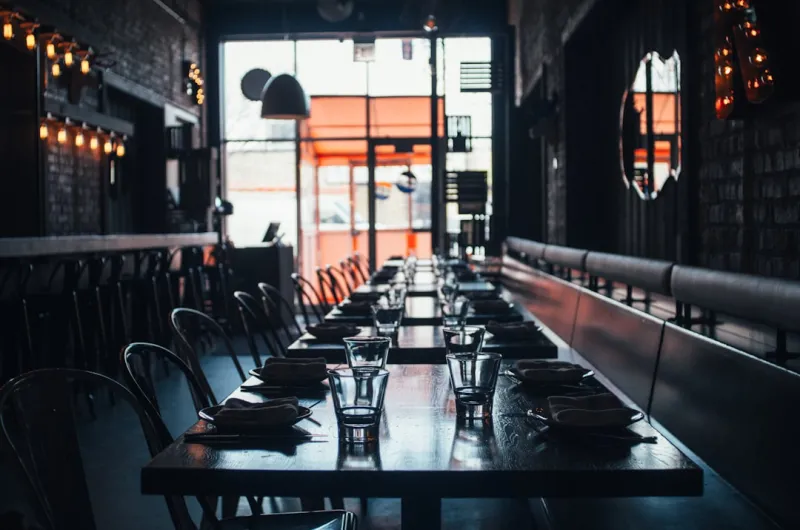
Why Every Meal Feels Like a Chapter in a Book
Walking into a restaurant today is no longer just about satisfying hunger; it’s an invitation to step onto a stage where chefs, designers, and servers collaborate to narrate a tale that unfolds with each bite. The modern diner craves connection not merely to flavors but to the context that frames those flavors, and that yearning has coaxed establishments to weave personal histories, cultural myths, and seasonal epics into the very fabric of their menus. As a longtime lover of culinary exploration, I find myself pausing longer at tables, listening to the soft hum of storytelling in the background, and realizing that the plate has become a canvas for memory‑making as much as for nourishment.
The Rise of Storytelling on the Plate
In the last few years, the concept of “food as narrative” has surged from niche pop‑culture to mainstream expectation, a shift documented in pieces like Dining as Narrative, which charts how chefs are borrowing techniques from novelists to structure courses like chapters. This evolution is fueled by a generation that consumes content voraciously, demanding that even their dinner conversations feel curated and meaningful; therefore, restaurants are responding with multi‑sensory experiences that blend visual storytelling, audible ambience, and tactile surprise. The result is a dining model that feels less like a transaction and more like an immersive short story, where the climax might be a flaming dessert that mirrors the rise of a plot twist, and the denouement is a quiet espresso that lets the narrative settle in the palate.
The Power of Narrative Menus
Menus have transformed from simple listings into curated storybooks, each entry accompanied by a brief anecdote, a historical footnote, or a poetic description that prepares the mind for what the fork will encounter. When a dish is introduced as “the farmer’s lament—carrots harvested at dawn, kissed by mist,” diners are primed to taste not only the sweetness of the vegetable but also the imagined coolness of early morning fields, creating a psychological bridge between imagination and gustatory reality. This approach also gives chefs a platform to spotlight local producers, indigenous ingredients, and sustainability practices without sounding didactic; the narrative cloak makes the message palatable, literally and figuratively, turning every order into an act of advocacy wrapped in flavor.
Senses Beyond Taste: Sound, Sight, and Touch
Storytelling restaurants are meticulously choreographing every sensory input, because a tale told only through taste can feel flat, much like a novel without dialogue. Some venues dim lights to mimic twilight, while others play ambient sounds—rainfall, market chatter, or distant drums—that echo the dish’s origin, a technique highlighted in the article The Best Restaurants That Turn Dining Into a Storytelling Experience. Even the texture of the plate, the weight of the silverware, and the temperature of the glass are chosen to complement the storyline, ensuring that the moment a fork meets food, the diner is already immersed in a cohesive narrative world. By engaging sight, sound, and touch, these establishments craft an experience that lingers in memory far longer than the aftertaste of a single course.
Community and Connection Through Shared Stories
When restaurants embed storytelling into their core, they inadvertently become communal hearths where strangers bond over shared chapters of flavor. A table of coworkers might discover a common love for a dish that references a local legend, sparking conversations that stretch beyond the menu and into personal histories, thereby strengthening social ties. This communal storytelling also democratizes fine dining; by framing the experience as an inclusive narrative rather than an exclusive showcase, chefs invite diners of varied backgrounds to see themselves reflected in the culinary plot, fostering a sense of belonging that transcends price points or culinary expertise.
How Chefs Craft Their Culinary Plots
Behind every storytelling plate lies a meticulous creative process akin to scriptwriting, where chefs outline the exposition, rising action, climax, and resolution before the first ingredient even hits the pan. They begin by researching the cultural or seasonal theme, then source ingredients that embody the story’s mood, and finally experiment with plating techniques that visually echo the narrative arc. This disciplined approach ensures that each component—whether a smoky broth representing a foggy forest or a bright herb garnish symbolizing sunrise—contributes purposefully to the overarching tale, turning the kitchen into a writer’s room where flavors are the characters and timing is the plot device.
My Recent Adventures in Narrative Dining
Last month I ventured into a downtown bistro that marketed itself as “a night at the opera of flavors,” and the experience reaffirmed why I’m obsessed with this movement. The first course arrived as a delicate consommé, described as “the overture—light, airy, and hinting at the drama to come,” and as I sipped, I could almost hear violins in the background. The main entrée followed with a braised lamb that arrived on a board etched with ancient script, its description weaving a tale of nomadic shepherds and the rugged terrain that shaped their cuisine. By the time dessert—a deconstructed tiramisu served in a glass dome that released a cloud of espresso vapor—was placed before me, I felt like I had completed a three‑act play, each act more satisfying than the last, and I left not only satiated but profoundly moved.
Future Trends: Interactive Storytelling and Tech Integration
Looking ahead, the marriage of technology and culinary narrative promises to deepen immersion, with augmented reality menus that project visual stories onto the table and QR‑linked audio clips that narrate the dish’s origin in the diner’s own language. Some avant‑garde establishments are already experimenting with wearable devices that sync heart rate to spice intensity, allowing the story to adapt in real time to each guest’s emotional state. As these innovations become more accessible, we can expect a new era where the line between storyteller and audience blurs, inviting diners to become co‑authors of their own flavorful chapters.
Closing Thoughts: Embrace the Story on Your Plate
In a world saturated with fleeting content, the rise of narrative dining offers a sanctuary where time slows and meaning deepens, reminding us that meals can be both sustenance and saga. By choosing restaurants that prioritize storytelling, we support a culinary culture that values heritage, creativity, and human connection, and we enrich our own lives with memories that taste as good as they feel. So the next time you book a table, ask yourself what story you want to eat, and let the plate be your page.

Becky Putman is an Ottawa-based freelance writer and marketing professional with a passion for storytelling, animals, and community involvement. She enjoys creating engaging content that informs, inspires, and connects with readers.
Related Posts
The Hidden Power of Restaurant Soundtracks: How Curated Audio Transforms Dining
Explore the impact of curated restaurant soundtracks on mood, flavor perception, and guest loyalty, ... Read More

Zero‑Waste Restaurants: Turning Scraps Into Signature Dishes
Explore the rise of zero‑waste restaurants that turn every peel and stem into a signature dish, de... Read More

When a Plate Tells a Story: Inside the Hottest Restaurants
Discover the rise of narrative dining where chefs craft meals as stories, blending flavor, aroma, an... Read More
Top Posts
The Restaurant Renaissance: Becky Putman's 2024 Flavor-First Exploration
Becky Putman reveals how 2024’s restaurant scene shifts to flavor-first, community-driven dining, spotlighting hidden gems and future classics....Read More
Rose DesRochers’ 2024 Restaurant Renaissance: Flavor, Story, and Innovation
Rose DesRochers reveals how 2024’s dining scene blends storytelling, sustainability, and tech, offering insider picks that redefine modern gastronomy....Read More
Best Restaurants That Turn Meals Into Stories
Explore the top eateries that weave storytelling into every course, turning each meal into a captivating narrative experience....Read More

Scent and Sophistication: The Hidden Layer Elevating Fine Dining
Explore the invisible power of scent in fine dining, how chefs craft aromatic atmospheres, and what the future holds for personalized perfume‑paired meals....Read More
0 Comments
Post Comment
You will need to Login or Register to comment on this post!