
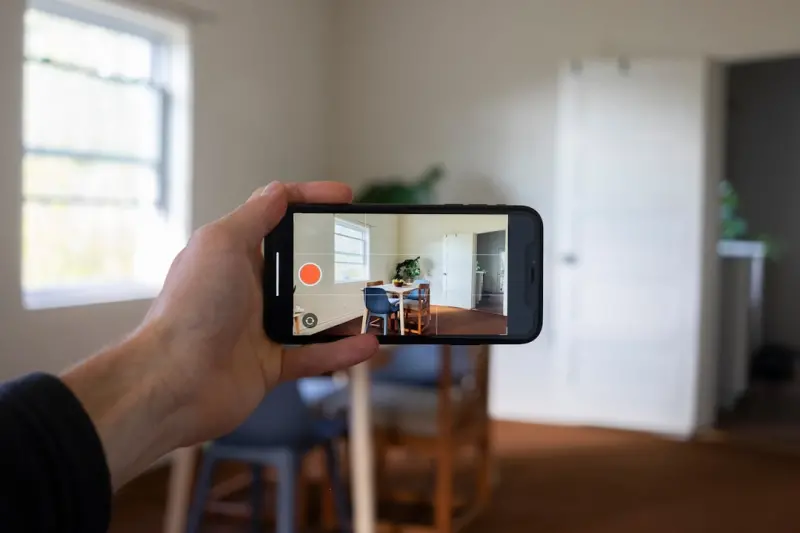
Why the Table Is Becoming a Digital Canvas
When I first stepped into a dimly lit dining room that projected a delicate watercolor of the chef’s inspiration onto the linen, I felt the future of fine dining whispering from the very surface beneath my glass. The augmented reality (AR) tabletop has moved from novelty gadget to a strategic tool that reshapes how we perceive flavor, narrative, and service, turning a simple table into a living storybook. As a long‑time observer of culinary trends, I’m fascinated by how this silent, visual layer amplifies the chef’s voice without drowning it in technobabble.
The Evolution from QR Codes to Immersive Projections
Just a few years ago, a QR code on a coaster was the cutting edge of contactless menus, a pragmatic response to health concerns that barely scratched the surface of interactive design. Today, the lineage is clear: what began as a static scan has blossomed into menu psychology informed, holographic experiences that respond to a guest’s gaze and gesture. Restaurants are now investing in high‑resolution projectors, motion sensors, and custom software that can overlay 3D models of dishes, terroir maps, and even the chef’s own hand‑drawn sketches directly onto the tabletop, creating a seamless blend of art and data.
AR Menus: Visual Storytelling That Feeds the Imagination
Imagine a diner tapping a fingertip to a floating illustration of a beetroot tart, watching the earth‑red puree swirl into a three‑dimensional bowl that rotates, revealing the seasonal farm that nurtured each root. This isn’t just a gimmick; it’s a sophisticated form of visual storytelling that engages the brain’s predictive circuitry, priming the palate for what’s to come. By marrying scent, taste, and sight, the AR menu turns each course into a pre‑performance, allowing guests to explore provenance, preparation techniques, and pairing suggestions before the first bite arrives, thereby deepening appreciation and willingness to invest in the experience.
Interactive Plating: Light, Shadow, and Flavor Fusion
Beyond static images, some avant‑garde kitchens are projecting subtle light patterns onto plates, altering the perceived texture and temperature of food in real time. This technique, which builds on the secret role of light, can make a chilled sorbet appear to melt in slow motion or cast a golden halo over a caramelized scallop, subtly cueing diners to savor each element at the optimal moment. The result is a dynamic dialogue between chef and guest, where illumination becomes an edible garnish, guiding attention and enhancing the multisensory journey without adding a single ingredient.
Guest Engagement: Real‑Time Feedback and Co‑Creation
AR tables are not passive screens; they are conversational platforms that invite diners to rate texture, adjust spice levels, or even suggest garnish variations with a swipe. This real‑time feedback loop empowers guests to become co‑creators, turning the dining room into an interactive laboratory where the chef can observe collective preferences and adapt the service on the fly. While this interactivity echoes the principles of gamified loyalty, it remains distinct by focusing on immediate, experiential customization rather than long‑term point accumulation.
Chef‑Tech Collaboration: Crafting the Digital Menu
The most successful implementations arise when chefs sit alongside software engineers, translating culinary intuition into code. Together they design AR narratives that respect the dish’s integrity while exploiting digital affordances—such as layering a virtual rainstorm over a seaweed broth to evoke the Pacific coast. This partnership ensures that technology serves as an extension of the chef’s palette, not a competing voice, and it encourages a culture of continuous experimentation where every service can unveil a fresh visual motif.
Operational Challenges: Cost, Training, and Data Privacy
Adopting AR at the table is not without its hurdles; the hardware investment can rival that of a kitchen overhaul, and staff must master new workflows that blend hospitality with tech troubleshooting. Moreover, the collection of guest interaction data—gestures, preferences, dwell time—raises legitimate privacy concerns that require transparent policies and secure storage solutions. Restaurants must weigh these expenses against the potential uplift in average check size and brand differentiation, crafting a balanced business case that accounts for both short‑term ROI and long‑term guest loyalty.
Sustainability Meets Digital Efficiency
One unexpected benefit of AR menus is the reduction of printed collateral, cutting thousands of paper sheets from a single season’s service. However, the energy consumption of projectors and servers introduces a new carbon footprint that must be managed through renewable power sources and efficient hardware. When restaurants adopt a holistic view—offsetting digital energy use while embracing paperless practices—they can position AR as a responsible, forward‑thinking choice that aligns with the broader sustainability narrative of fine dining.
Future Outlook: Holographic Servers and Sensory AI
Looking ahead, the line between AR and full‑scale holography will blur, allowing chefs to summon three‑dimensional food models that diners can rotate, slice, and even “taste” through haptic feedback gloves. Coupled with AI that predicts flavor pairings based on a guest’s previous selections, the tabletop could evolve into a predictive concierge, offering bespoke tasting menus before the reservation is even confirmed. Yet the most compelling future remains one where technology amplifies, rather than replaces, the human connection that defines unforgettable fine‑dining moments.
Balancing Innovation with Intimacy
In the end, the true art of AR in fine dining lies in its restraint: using immersive visuals to deepen, not distract from, the chef’s craft and the camaraderie shared across the table. By thoughtfully integrating projection, interactivity, and data, restaurants can create a layered experience that feels both futuristic and warmly personal. As diners, we crave stories as much as flavors, and when those stories are told on the very surface we gather around, the meal becomes a shared performance—one that lingers in memory long after the last pixel fades.

When it comes to the world of blogging and writing, Rose DesRochers is a name that stands out. Her passion for creating quality content and connecting with her audience has made her a trusted voice in the industry. Aside from her skills as a writer and blogger, Rose is also known for her compassionate nature.
Related Posts
Scented Symphony: Crafting Olfactory Narratives in Fine Dining
Discover the power of scent in fine dining and how chefs are weaving aromatic narratives to elevate ... Read More

Molecular Elegance: How Science Reinvents Fine Dining
Discover how chefs blend science and tradition, using techniques like spherification and flash freez... Read More
When the Plate Takes Center Stage: The Art of Culinary Theatre
Fine dining is stepping onto the stage, where chefs become performers and every course is a scene, t... Read More
Top Posts
The Narrative Plate: How Fine Dining Transforms a Meal into a Story
Explore the art of fine‑dining storytelling, where every dish, wine, and setting becomes a chapter in a memorable culinary narrative....Read More
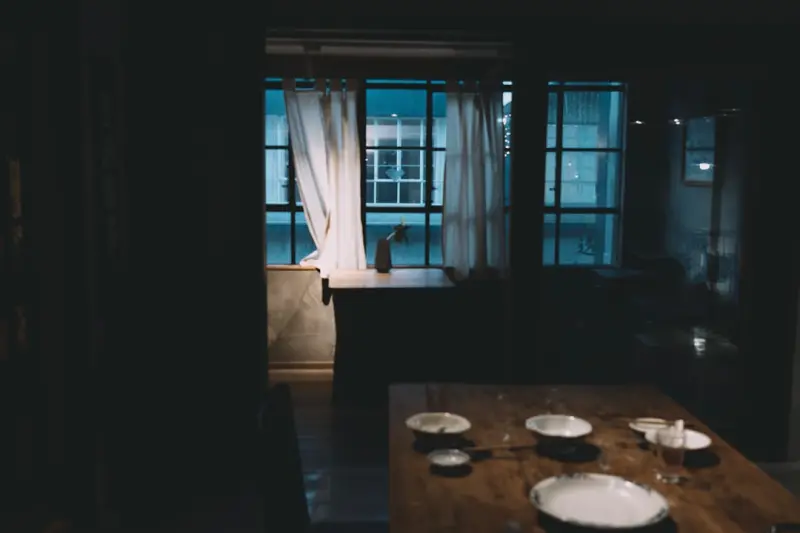
Dining in the Dark: How Sensory Deprivation Is Redefining Restaurant Experiences
Discover how dining in total darkness heightens taste, aroma, and texture, offering a fresh, inclusive, and immersive restaurant experience that goes beyond vis...Read More
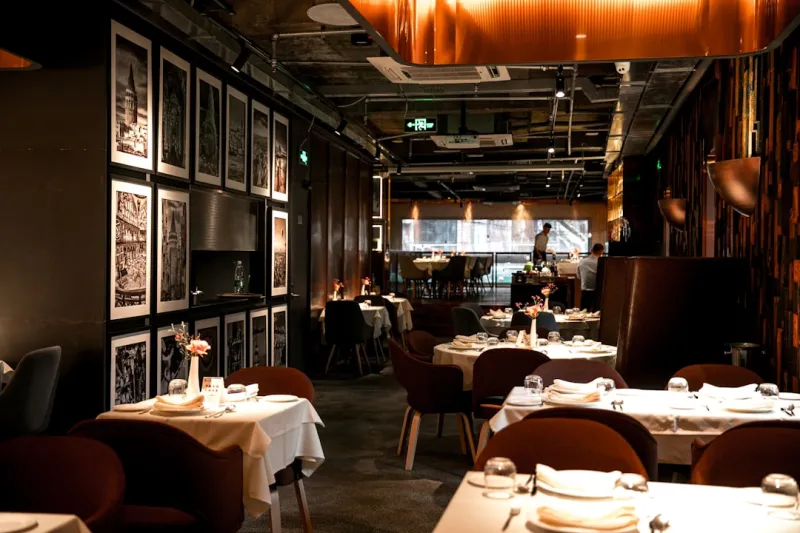
The Hidden Narrative: How Today’s Restaurants Turn Meals into Stories
Discover why today’s eateries are more than places to eat—they’re stages where each plate tells a story, blending flavor, technology, and community into u...Read More
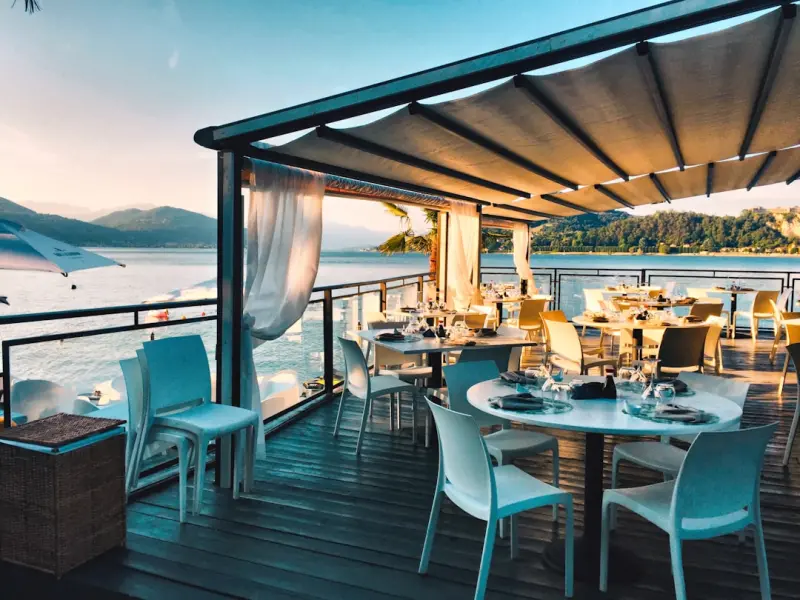
The Art of Tableware: Redefining Fine Dining Through Design
Discover how cutting‑edge tableware design is turning dishes into immersive stories, blending sustainability, technology, and artistry in fine dining....Read More
0 Comments
Post Comment
You will need to Login or Register to comment on this post!