

The Rise of the Rotating Pop‑Up Within Brick‑and‑Mortar
Imagine stepping into a familiar dining room only to discover that the chef’s mise‑en‑place has been swapped for an entirely new culinary narrative, one that changes every few weeks like a seasonal runway. This phenomenon, where permanent restaurants host a series of short‑term pop‑up concepts, has become the hidden engine propelling many establishments to the top of the “best restaurants” lists, because it forces both kitchen and guest to stay perpetually curious. I’ve chased these fleeting experiences across the country, and each time the excitement feels like uncovering a secret menu that the city never announced, turning a routine dinner into a spontaneous adventure.
Why Chefs Love the Pop‑Up Playground
For a chef, the pressure to reinvent can be both exhilarating and terrifying, but the pop‑up format offers a sandbox where the stakes are high yet the runway is short, allowing daring experiments without the fear of long‑term brand dilution. By swapping out a core menu for a curated tasting series, chefs can test hyper‑local ingredients, avant‑garde techniques, or even cross‑cultural fusions that would otherwise be too risky for a permanent offering. This rapid‑fire innovation cycle not only sharpens a kitchen’s creative edge but also generates buzz that spills onto social media, turning a single night into a viral moment that draws new diners to the host venue.
From Concept to Table: The Logistics Behind the Magic
Behind the glossy Instagram reels lies a meticulous choreography of supply chains, staffing, and space planning that most diners never see, yet it is this invisible ballet that makes the pop‑up pulse possible. Restaurants often partner with local farms, artisanal producers, or even rival kitchens to source ingredients that fit the temporary theme, turning the sourcing process into a story worth telling. In my visits, I’ve noticed that the most successful pop‑ups lean on Front‑of‑House Innovations—from modular seating to dynamic lighting—to transform the atmosphere in sync with the menu, ensuring the experience feels cohesive rather than a haphazard add‑on.
The Guest Perspective: Turning Curiosity into Loyalty
When diners know that a restaurant’s menu is a living, breathing entity that will morph in a month, they develop a habit of returning not just for a meal, but for the promise of discovery, creating a loyalty loop that’s far more authentic than any points program. This sense of urgency—“Will the next pop‑up be sushi‑infused Mexican or a forest‑foraged tasting?”—drives reservations weeks in advance, filling seats that might otherwise sit empty during off‑peak periods. As a frequent participant, I’ve found that each new concept feels like a personal invitation from the chef, a whispered secret that rewards the curious and turns casual patrons into devoted regulars.
Community Collaboration: When Restaurants Become Cultural Hubs
Many pop‑up collaborations extend beyond the kitchen, inviting local artists, musicians, and storytellers to contribute to a multidimensional experience that blurs the line between dining and cultural event. One recent visit featured a pop‑up that paired a Nordic-inspired tasting menu with a live folk music ensemble, turning the dining room into an intimate concert hall where each bite resonated with a melodic chord. These partnerships not only enrich the sensory palette but also embed the restaurant deeper into the fabric of its neighborhood, fostering a sense of shared ownership that amplifies word‑of‑mouth promotion.
Economic Advantages: Maximizing Space and Reducing Waste
From a business standpoint, rotating pop‑ups allow a restaurant to optimize its square footage, converting under‑utilized areas—like a bar that sits idle after midnight—into a vibrant culinary laboratory that generates additional revenue streams. Because each pop‑up is time‑boxed, kitchens can plan precise ingredient purchases, dramatically reducing food waste and improving profitability, especially when they tap into the excitement of limited‑edition dishes that command a premium price. This model demonstrates that creativity and fiscal responsibility are not mutually exclusive; they can coexist in a symbiotic dance that benefits both the chef’s imagination and the bottom line.
Case Study: A Downtown Bistro’s Six‑Month Pop‑Up Calendar
One downtown bistro I visited unveiled a bold six‑month calendar, each month featuring a guest chef from a different continent, ranging from a Peruvian ceviche maestro to a Korean fermentation specialist, all housed under the same roof. The restaurant advertised the schedule through a sleek digital timetable, and each launch night was accompanied by a themed décor overhaul, a practice reminiscent of Unexpected Spaces where the environment itself tells a story. The result? A 35% increase in average ticket size and a surge in media coverage that positioned the bistro as a must‑visit destination for adventurous eaters.
Challenges to Anticipate: Managing Expectations and Consistency
While the pop‑up model thrills many, it also presents challenges—chief among them being the need to balance novelty with the restaurant’s core identity, ensuring that frequent changes do not alienate longtime patrons who cherish the original menu. Communication is key; clear signage, timely updates on social platforms, and honest conversations with regulars help set expectations and prevent disappointment when a beloved dish disappears temporarily. Moreover, maintaining consistent quality across wildly different concepts demands a versatile brigade, robust training, and a leadership team that can pivot quickly without sacrificing service standards.
Looking Forward: The Future of Pop‑Up Innovation
As diners continue to crave experiences that feel both exclusive and ever‑evolving, the pop‑up within a permanent space is poised to become a staple of the culinary landscape, encouraging chefs to push boundaries while giving restaurants a sustainable model for perpetual reinvention. I anticipate we’ll see more data‑driven pop‑ups that use guest feedback in real time to shape upcoming menus, as well as cross‑industry collaborations that merge gastronomy with technology, fashion, and even virtual reality. For anyone seeking the cutting edge of the dining world, keeping an eye on these rotating concepts is the surest way to discover the next generation of best restaurants.

When it comes to the world of blogging and writing, Rose DesRochers is a name that stands out. Her passion for creating quality content and connecting with her audience has made her a trusted voice in the industry. Aside from her skills as a writer and blogger, Rose is also known for her compassionate nature.
Related Posts

Hidden Gems: Unlocking the World of Invitation‑Only Restaurants
Explore the rise of invitation‑only restaurants, learn insider tips to join these exclusive clubs,... Read More
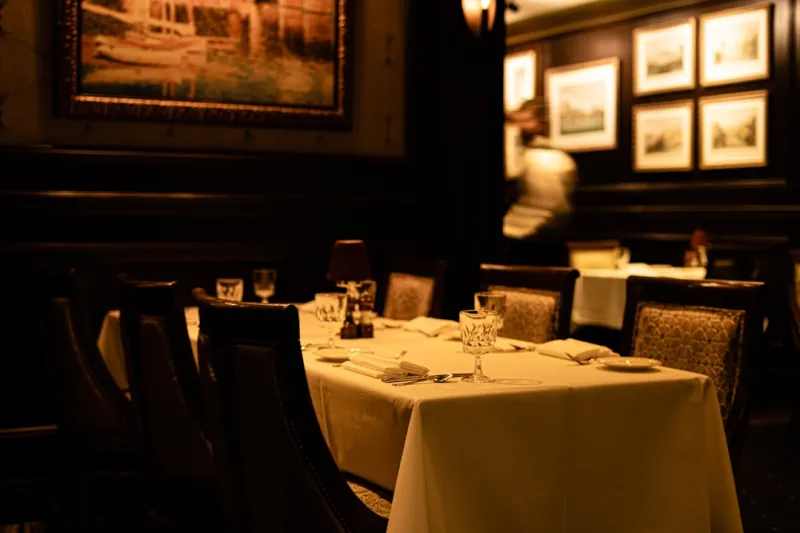
The Art of Dining: How Storytelling Elevates the Best Restaurants
Explore how modern eateries use narrative, design, and technology to transform meals into unforgetta... Read More

Becky Putman's Flavor‑First Tour of the Best Restaurants in 2024
Becky Putman shares her personal journey through 2024’s culinary landscape, highlighting the most ... Read More
Top Posts
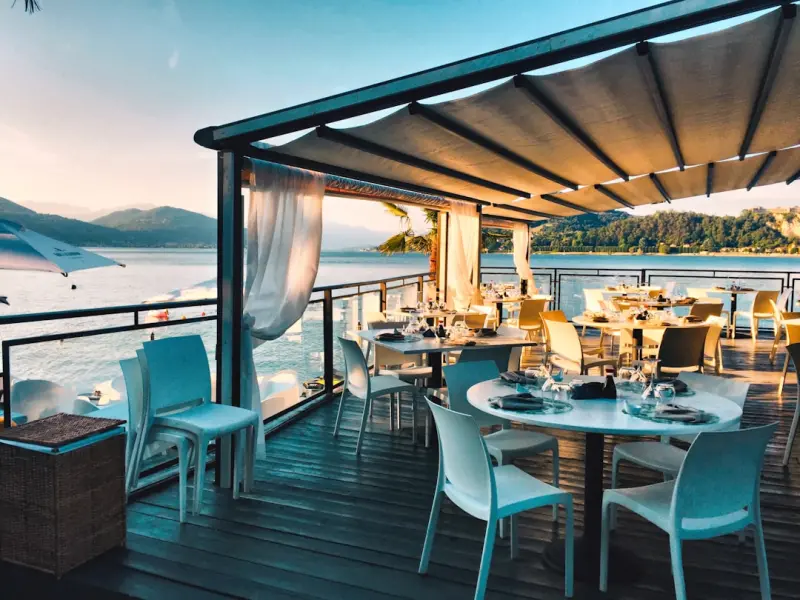
The Art of Tableware: Redefining Fine Dining Through Design
Discover how cutting‑edge tableware design is turning dishes into immersive stories, blending sustainability, technology, and artistry in fine dining....Read More

Best Restaurants of 2024: Rose DesRochers’ Insider Picks
Rose DesRochers shares her personal journey through the 2024 restaurant renaissance, highlighting the year’s most exciting dining destinations....Read More
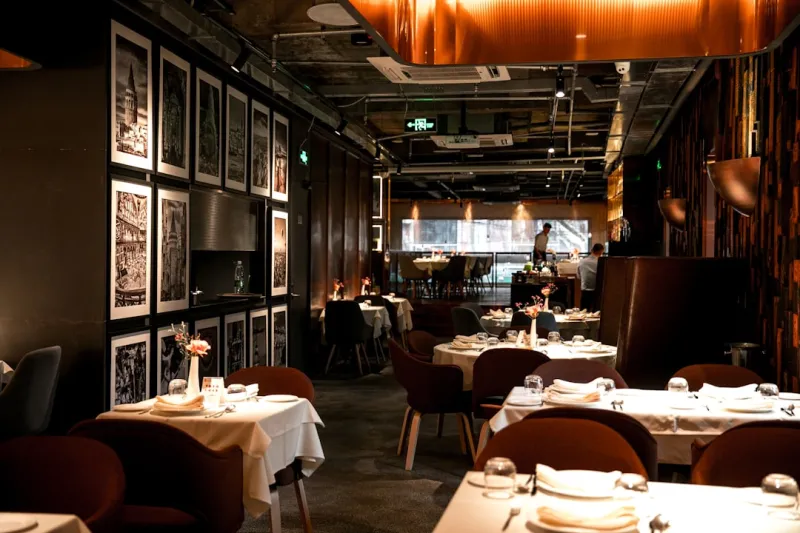
The Art of Narrative Dining: How Fine Restaurants Turn Meals into Stories
Fine dining is no longer just about taste; it's becoming a multisensory narrative where chefs, designers, and technology collaborate to turn each meal into an u...Read More
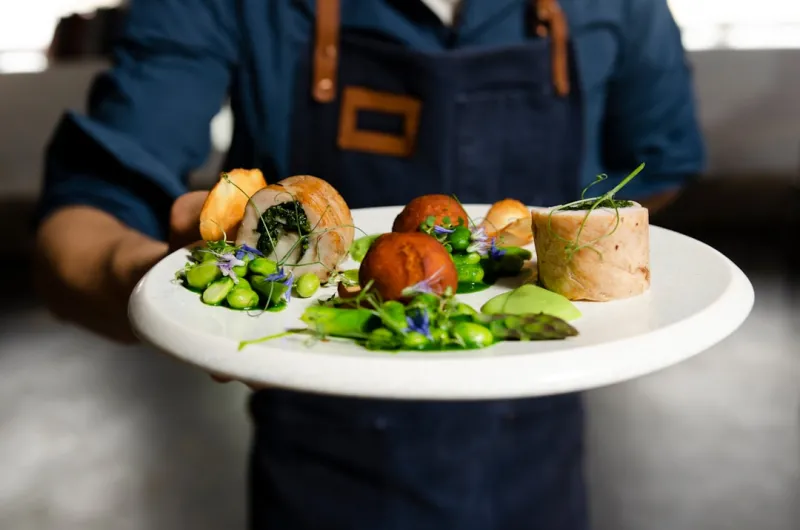
The Pursuit of Gastronomic Excellence: A Journey Through the World's Best Restaurants
Explore the world's best restaurants, from Noma to El Celler de Can Roca, and discover what makes them truly exceptional. A culinary journey of discovery awaits...Read More
0 Comments
Post Comment
You will need to Login or Register to comment on this post!