
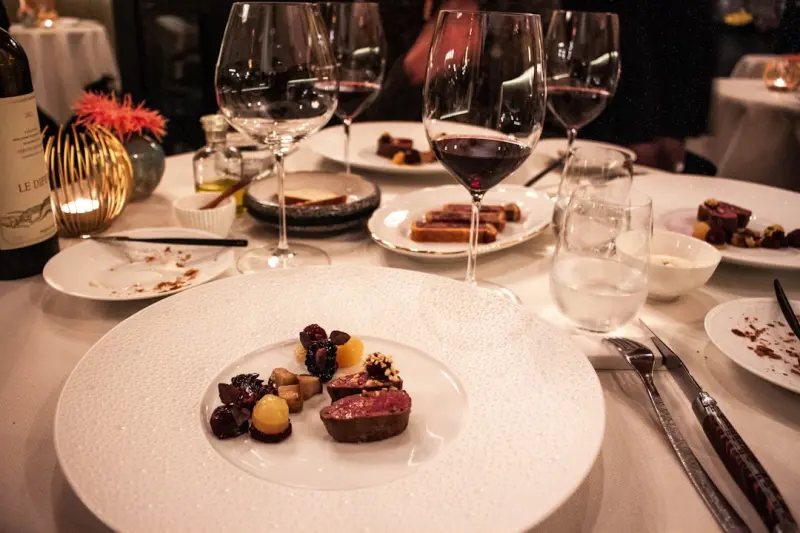
Why Hyper‑Local Sourcing is Redefining Fine Dining
In the world of haute cuisine, the pursuit of unparalleled flavor now begins long before a dish reaches the plate; it starts in the soil of a neighboring farm. Hyper‑local sourcing—the practice of obtaining ingredients within a few miles of the restaurant—offers chefs a freshness that no long‑haul supply chain can match, preserving volatile aromatics that wilt after hours in transit. This immediacy also cultivates a dialogue between chef and farmer, turning seasonal variability into a dynamic menu that evolves weekly, keeping diners curious and engaged.
The environmental impact of this shift cannot be overstated. By reducing transportation distances, restaurants cut carbon emissions, support biodiversity through diversified crop rotations, and lessen reliance on industrial fertilizers that degrade ecosystems. Patrons, increasingly eco‑conscious, are rewarded with transparency; a simple menu note revealing the farm and harvest date transforms a meal into a tangible connection to the land. This transparency builds trust, encouraging repeat visits from diners who value authenticity as much as artistry.
From a business perspective, hyper‑local sourcing creates a competitive edge in saturated markets. When a restaurant proudly displays a “farm‑to‑table” badge sourced from a renowned local orchard, it taps into community pride and garners media attention without costly advertising. Moreover, the reduced need for extensive storage facilities lowers overhead, allowing resources to be redirected toward staff training and experiential enhancements that elevate the overall dining journey.
Chef Partnerships and the Rhythm of Seasonal Menus
Collaborations between chefs and regional growers have blossomed into a modern form of culinary choreography, where each season dictates the tempo of the menu. These partnerships go beyond simple transactions; they involve joint experiments with heirloom varieties, micro‑greens, and heritage livestock breeds that are often overlooked by mass markets. Such collaborations yield unique flavor profiles that become signature elements, distinguishing a restaurant in a city crowded with conventional offerings.
Seasonal menus, when executed thoughtfully, become living textbooks of terroir. A spring tasting menu might highlight young asparagus spears and wild strawberries harvested at their peak, while an autumn spread could celebrate robust root vegetables and foraged mushrooms. This rhythm encourages diners to return throughout the year, eager to experience the chef’s interpretation of each harvest. It also challenges kitchens to stay inventive, preventing menu fatigue and fostering a culture of continuous learning among culinary teams.
To illustrate the power of these alliances, consider the recent feature on regional culinary collaborations that highlighted how a celebrated chef partnered with a family‑run beekeeping operation to create a honey‑infused beurre blanc. The result was a sauce that captured the subtle wildflower notes of the local apiary, earning rave reviews and demonstrating how localized ingredients can elevate classic techniques into something unmistakably original.
Designing a Zero‑Waste Experience Without Compromising Elegance
Fine dining has traditionally been associated with lavish presentations, but the modern gourmand demands elegance that respects the planet. Zero‑waste strategies now permeate menu planning, plate design, and even staff training, ensuring that every edible component finds a purpose. Chefs are repurposing vegetable trimmings into consommés, turning stale bread into airy croutons, and using citrus peels to craft aromatic oils that finish a dish with a burst of flavor.
Beyond the kitchen, the dining room itself reflects this ethos. Tableware made from reclaimed materials, compostable napkins, and refillable water stations reduce single‑use waste while maintaining a luxurious ambience. These subtle cues signal to guests that sustainability is woven into every aspect of the experience, reinforcing the narrative that responsible practices can coexist with sophistication. The result is a cohesive brand story that resonates with a demographic eager to align their palate with their principles.
Restaurants that master this balance often turn their waste‑reduction initiatives into marketing assets. By showcasing a “waste‑less week” on social platforms and linking to educational content such as behind‑the‑scenes sustainability efforts, they attract media coverage and build a community of environmentally minded food lovers. The synergy between operational efficiency and brand storytelling creates a virtuous cycle: reduced costs, heightened guest loyalty, and a stronger reputation in an increasingly conscientious market.

When it comes to the world of blogging and writing, Rose DesRochers is a name that stands out. Her passion for creating quality content and connecting with her audience has made her a trusted voice in the industry. Aside from her skills as a writer and blogger, Rose is also known for her compassionate nature.
Related Posts

Why 2026 Is the Year Fine Dining Becomes a Storytelling Sensory Feast
Discover how 2026’s fine‑dining scene blends flavor‑first storytelling, sustainability, and cu... Read More
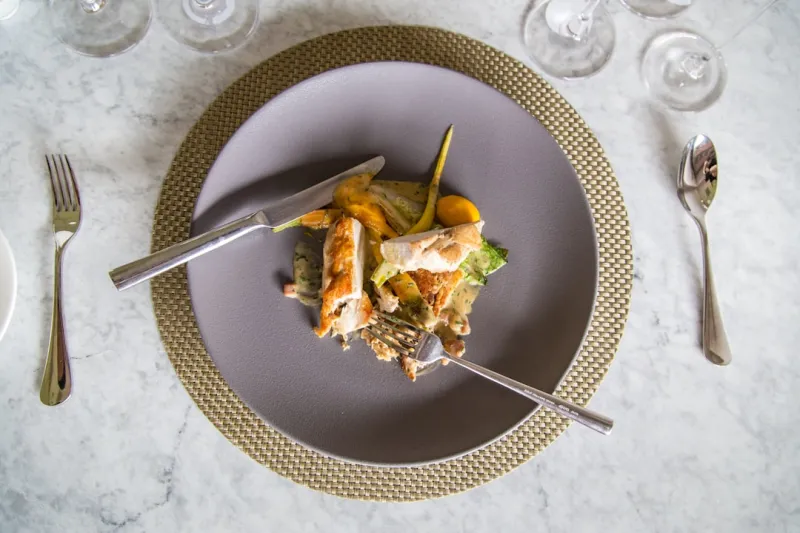
When a Fine‑Dining Plate Becomes a Storytelling Journey
Fine dining today isn’t just about taste; it’s an immersive narrative where chefs, ambience, and... Read More
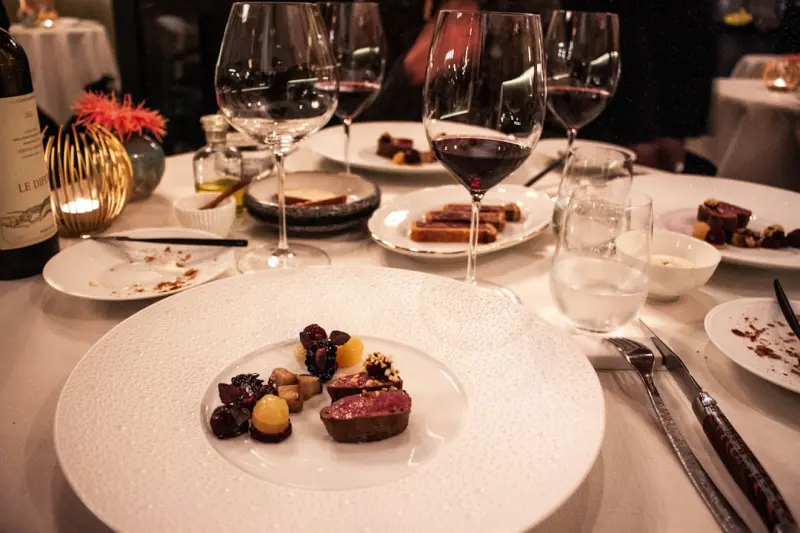
Why Intimate Tasting Menus Are Redefining Fine Dining
A deep dive into the quiet revolution of intimate tasting menus, exploring how limited seating, stor... Read More
Top Posts
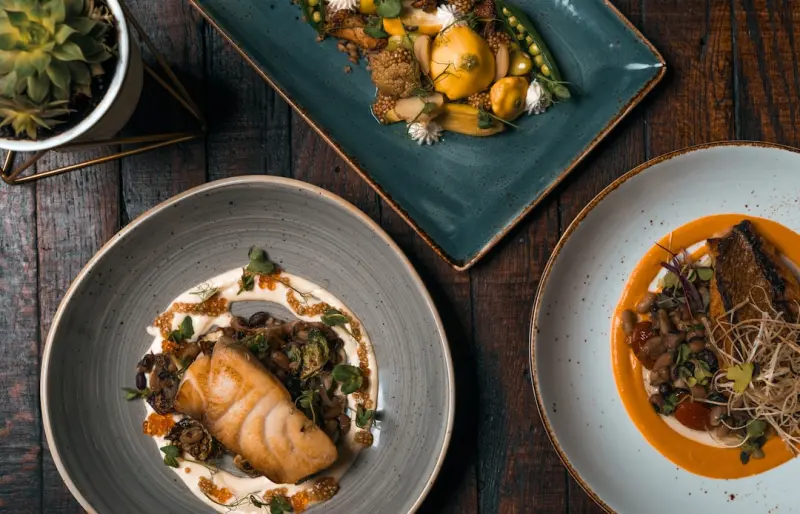
How Light Becomes the Secret Ingredient in Fine Dining
Explore the hidden power of restaurant lighting, how it shapes taste, mood, and the overall dining narrative—turning light itself into a secret ingredient....Read More

Restaurant Road Trips: Crafting Unforgettable Culinary Journeys
Explore the art of restaurant road trips, where each stop offers a unique flavor story, practical planning tips, and memorable culinary experiences....Read More

A Passport on a Plate: How Destination‑Inspired Restaurants Turn Meals Into Global Adventures
Explore the rise of destination‑inspired dining, where chefs act as cultural curators, sourcing authentic ingredients and crafting immersive atmospheres that ...Read More

Budget‑Friendly Eats: Top Restaurants Worth the Trip
I’m on a mission to prove great food doesn’t need a premium price tag—join me as I uncover affordable restaurants that deliver bold flavors, creative menu...Read More
0 Comments
Post Comment
You will need to Login or Register to comment on this post!