
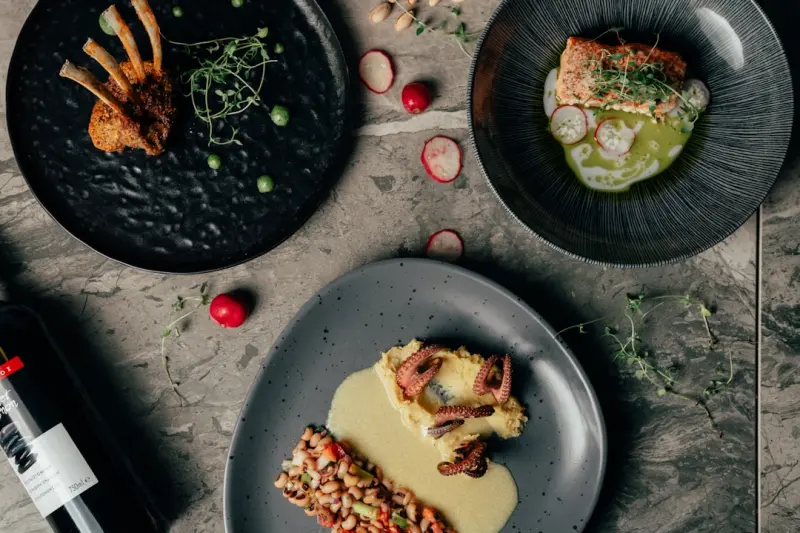
Why Community‑Sourced Menus Matter
I still remember the night I walked into a tiny downtown eatery and was handed a slip of paper that asked, “What flavor adventure would you love to see on our menu?” – a moment that felt more like a conversation than a transaction, and it sparked a curiosity that has followed me through countless dining experiences. Community‑sourced menus turn the traditional power dynamic on its head, inviting regulars and newcomers alike to become co‑creators, which not only democratizes flavor but also builds a sense of shared ownership that can’t be bought with marketing spend alone. When diners see their ideas materialize on a plate, the emotional payoff is immediate, turning an ordinary meal into a personal story that they’ll retell to friends, family, and their social feeds.
The appeal of this participatory approach lies in its ability to tap into the collective palate of a neighborhood, extracting nuances that a chef alone might never have imagined – from a childhood memory of grandma’s rosemary‑infused tomato sauce to a local farmer’s seasonal berry harvest that only a few insiders truly appreciate. By crowdsourcing flavor concepts, restaurants gain a living menu that evolves with the community’s tastes, seasonal shifts, and cultural celebrations, creating a dynamic that feels as fresh as the ingredients themselves. Moreover, this model fosters an environment where patrons feel heard, leading to higher satisfaction scores, repeat visits, and word‑of‑mouth referrals that no paid advertisement can replicate.
From a business perspective, community‑sourced menus act as a low‑cost research lab, providing real‑time data on what works and what doesn’t without the expense of extensive market studies. The feedback loop is immediate: guests submit ideas, chefs prototype, and diners test the results, all within the same week in many cases. This rapid iteration accelerates innovation cycles, allowing restaurants to stay ahead of culinary trends rather than playing catch‑up, and it also reduces waste by aligning production with genuine demand, a win‑win for both profit margins and sustainability goals.
How Restaurants Make It Happen
Implementing a community‑driven menu begins with listening platforms, and the most successful establishments blend low‑tech charm with digital efficiency – think suggestion boxes on each table paired with QR codes that link to interactive polls, allowing guests to vote on flavor profiles, spice levels, or even plating styles. The key is to keep the process transparent: publish a weekly “Idea Board” on the restaurant’s website or social media, showing which concepts are in the testing phase, which have been approved, and which were politely declined, thus maintaining trust and encouraging continued participation. A well‑crafted communication strategy turns every suggestion into a potential headline, and diners love the spotlight of seeing their name or nickname beside a new dish.
Behind the scenes, kitchens adopt a modular approach to prep, reserving a portion of their daily production for experimental plates that can be swapped in and out without disrupting the core menu. Chefs treat these trial runs like mini‑pop‑ups, inviting a small group of regulars for a tasting session where feedback is captured in real time – a practice reminiscent of the pop‑up pulse that fuels many culinary breakthroughs. By limiting the scale, kitchens can iterate quickly, adjust seasoning, presentation, or sourcing, and then roll the refined version out to the broader audience with confidence.
Technology also plays a pivotal role in scaling community input, and this is where front‑of‑house innovations come into play, such as tablet‑based ordering systems that prompt diners with “Would you like to try a dish inspired by fellow guests?” – an invitation that seamlessly integrates the co‑creation process into the ordinary flow of service. Data analytics track which suggestions generate the most clicks, comments, or repeat orders, enabling managers to prioritize ideas that resonate most strongly, while also identifying emerging trends before they become mainstream. The result is a menu that feels both personal and predictive, rooted in genuine community desire yet powered by smart tools.
The Road Ahead for Community‑Sourced Dining
Looking forward, the evolution of community‑sourced menus promises to blur the lines between restaurant, kitchen, and the very neighborhoods they serve, turning each dining room into a living laboratory of flavor that can adapt to cultural festivals, harvest cycles, and even local events like street fairs or charity runs. As more establishments adopt this collaborative model, we can expect a ripple effect where diners begin to anticipate and demand this level of engagement, making it a new baseline expectation rather than a novelty. The long‑term impact could reshape the culinary landscape, encouraging chefs to become facilitators of collective taste rather than solitary auteurs.
There are challenges, of course – maintaining consistency while experimenting, training staff to handle a rotating roster of dishes, and ensuring supply chains can accommodate sudden ingredient spikes. Yet these hurdles are surmountable with thoughtful planning, clear communication, and a willingness to view every hiccup as an opportunity for deeper connection with guests. When diners see that their input directly influences what ends up on the plate, they develop a loyalty that transcends discounts, forging a bond built on mutual respect and shared creativity.
Ultimately, the rise of community‑sourced menus is a testament to the power of listening, and it invites every food lover to become a part of the story that unfolds each night in the dining room. If you’ve ever wished you could whisper a secret family recipe to your favorite chef, now’s the time to speak up – because the next signature dish you love might just be the one you helped imagine.

Becky Putman is an Ottawa-based freelance writer and marketing professional with a passion for storytelling, animals, and community involvement. She enjoys creating engaging content that informs, inspires, and connects with readers.
Related Posts

How Sound Shapes the Restaurant Experience
Discover why the right soundtrack and thoughtful acoustics can elevate a meal from ordinary to unfor... Read More
Micro‑Seasonal Foraging: How Restaurants Are Letting the Land Write the Menu
Explore the rise of micro‑seasonal foraging in restaurants, where chefs let nature dictate the men... Read More
From Seed to Plate: How Urban Farm‑To‑Table Restaurants Are Redefining Freshness
Explore the rise of urban farm‑to‑table restaurants, where on‑site gardens deliver unparallele... Read More
Top Posts
The 2024 Restaurant Renaissance: Becky Putman’s Flavor‑First Journey Through Dining Trends
Becky Putman uncovers the 2024 Restaurant Renaissance, highlighting flavor‑first dining, sustainability, immersive concepts, and top restaurant picks that red...Read More
Dining as Narrative: How Restaurants Turn Meals into Stories
Discover the rise of narrative dining, where chefs craft meals as stories, engaging all senses and turning each restaurant visit into an unforgettable literary ...Read More

The Best Restaurants of 2026: A Flavor‑First Journey Through Story and Innovation
Explore 2026’s top eateries that blend narrative storytelling, cutting‑edge tech, and flavor‑first cuisine for a truly immersive dining adventure....Read More

A Rose DesRochers Tour of 2024’s Most Exciting Restaurant Trends
Rose DesRochers reveals the 2024 restaurant renaissance, highlighting flavor‑first dining, storytelling plates, sustainability, tech, and hidden gems for mode...Read More
0 Comments
Post Comment
You will need to Login or Register to comment on this post!