

Introduction: The New Era of Fine Dining
In 2026 the fine‑dining landscape has shed its cloistered reputation and emerged as a vibrant, story‑driven theatre where every plate, scent, and sound plays a deliberate part, inviting guests to become protagonists in a culinary narrative that unfolds over the course of a single evening; this shift is not merely aesthetic but rooted in a deeper cultural hunger for experiences that engage the whole self, a hunger I have felt pulse through kitchens from Paris to Osaka as chefs trade static menus for evolving scripts that respond to the moment’s mood, weather, and even the diners’ whispered emotions. What used to be a transaction of taste has transformed into an immersive dialogue, and as I wander from table to table I hear the same refrain: the future of haute cuisine is no longer about isolated flavors but about weaving those flavors into a multisensory tapestry that tells a story worth remembering.
The Rise of Sensory Storytelling
At the heart of this transformation lies the concept of sensory storytelling, a practice that leverages sight, sound, aroma, texture, and even tactile feedback to construct a narrative arc that mirrors the structure of a well‑crafted novel, complete with exposition, rising tension, climax, and denouement, all served on a chilled marble slab or a warm wooden board; restaurants such as the newly opened Lumen in Copenhagen illustrate this by dimming lights in sync with the first course’s citrus notes, then gradually brightening as the palate moves toward a richer, earth‑laden finale, creating a visual crescendo that parallels the gustatory one. For those curious about how this movement gained momentum, the piece titled Sensory Storytelling Revolution provides a deep dive into the chefs, designers, and technologists who orchestrated this paradigm shift, and it is impossible to ignore the way these innovations have re‑educated our expectations of what a dinner can feel like.
Flavor‑First Philosophy in Practice
While the theatrical elements enchant, the backbone of any successful fine‑dining story remains the flavor‑first approach, a discipline that insists the narrative never overshadows the food but rather amplifies its intrinsic character; this means sourcing hyper‑local ingredients at the peak of ripeness, allowing a single heirloom tomato to command a moment of reverence before it is paired with a whisper of smoked sea salt that recalls distant coastlines, and then framing that bite within a soundscape of gentle waves that echo the sea‑borne origins of the dish. My recent exploration of this methodology is chronicled in Flavor‑First Journey Through 2026’s Hottest Restaurant Stories, where I documented how chefs across continents are unifying their kitchens under a shared mantra: let the ingredient speak first, and let every sensory cue serve that voice, rather than drown it.
Design, Tech, and the Multi‑Sensory Table
The physical space has become an equal partner in this narrative, with architects and designers collaborating hand‑in‑hand with chefs to create tables that double as interactive canvases; think of surfaces embedded with temperature‑responsive LEDs that shift from icy blue during a sorbet interlude to ember‑red as a slow‑cooked braise arrives, or chairs that emit subtle vibrations mimicking a heartbeat when a dish meant to evoke intimacy is plated, thereby turning the very act of sitting into a participatory element of the story. Cutting‑edge technology such as AI‑driven scent diffusers can now release aromatic notes timed precisely to the moment a palate‑cleansing palate cleanser appears, ensuring that the olfactory cue reinforces the visual and gustatory ones, while still allowing the chef to retain creative control over the progression of flavors.
Curating the Guest Journey
From the moment a reservation is made, the narrative begins; digital pre‑dinner questionnaires now ask guests about their recent memories, favorite textures, and even the music that moves them, feeding that data into a bespoke script that tailors each course to the individual’s emotional landscape, a practice that feels simultaneously intimate and futuristic, and it is this level of personalization that distinguishes the truly memorable establishments from the merely impressive. The Ultimate 2026 Guide to the Best Restaurants You Must Experience highlights several venues that have mastered this art, offering case studies where a simple question about a guest’s childhood garden yields a garnish of fresh mint and a subtle earth aroma that instantly transports them, proving that storytelling can be as personal as a whispered secret.
Community, Sustainability, and Storytelling
Beyond the plates, the narrative now extends to the broader ecosystem, with chefs weaving stories of sustainability, local stewardship, and cultural heritage into each course, inviting diners to become allies in a larger mission; a tasting menu might begin with a foraged nettle soup that tells the tale of a nearby forest’s regeneration, then progress to a protein sourced from a regenerative farm that demonstrates how responsible agriculture can restore soil health, all while the server shares anecdotes about the farmers and the land, turning a meal into a living lesson about our interconnectedness. This holistic storytelling not only enriches the dining experience but also aligns fine dining with the growing consumer demand for transparency and purpose, reinforcing that the future of haute cuisine is as much about conscience as it is about cuisine.
Looking Ahead: The Next Chapter of Fine Dining
As I reflect on the whirlwind of innovations that have defined 2026, I am convinced that the most exciting chapters are still unwritten; the convergence of augmented reality, bio‑feedback wearables, and hyper‑local micro‑farming promises to blur the line between imagination and plate, allowing chefs to craft menus that adapt in real time to a diner’s physiological responses, creating a feedback loop where taste influences mood, which in turn reshapes the next bite. The journey ahead is a collaborative adventure between chefs, technologists, and guests, and if the past year has taught us anything, it is that the most compelling stories are those we help write together, one exquisite, sensory‑rich course at a time.

When it comes to the world of blogging and writing, Rose DesRochers is a name that stands out. Her passion for creating quality content and connecting with her audience has made her a trusted voice in the industry. Aside from her skills as a writer and blogger, Rose is also known for her compassionate nature.
Related Posts
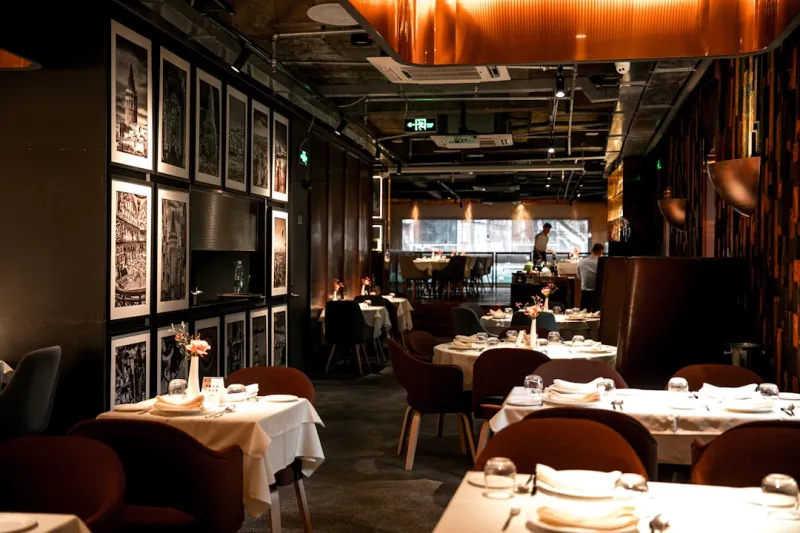
Fine Dining in 2024: Becky Putman's Flavor‑First Journey
Becky Putman shares her 2024 fine‑dining adventure, highlighting story‑driven menus, sustainable... Read More
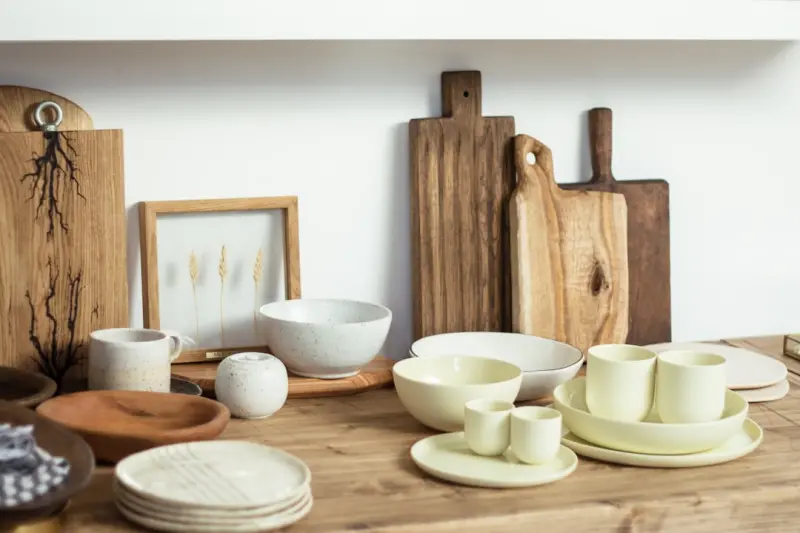
Reviving Heritage Tableware: How Handcrafted Ceramics, Cutlery, and Glass Elevate Modern Fine Dining
Discover how the resurgence of heritage tableware—from artisan ceramics to bespoke glassware—add... Read More
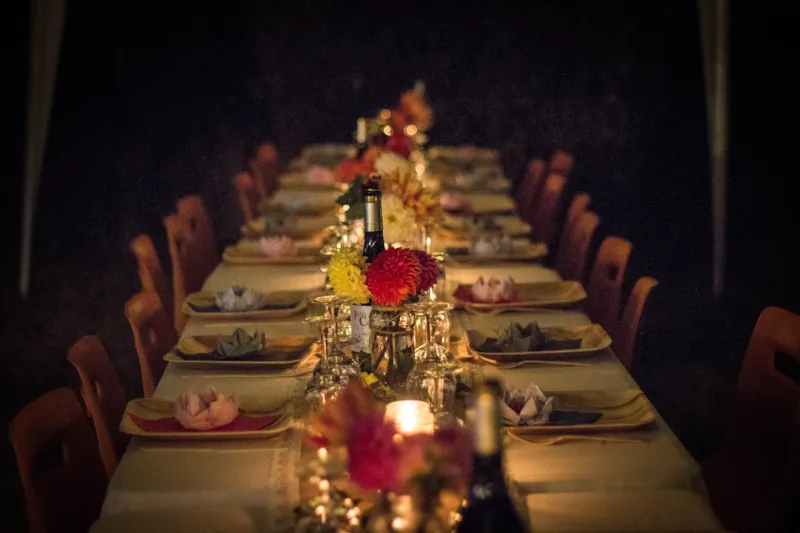
When Fine Dining Becomes a Storytelling Feast
Discover the evolution of fine dining into immersive storytelling, where each dish becomes a narrati... Read More
Top Posts
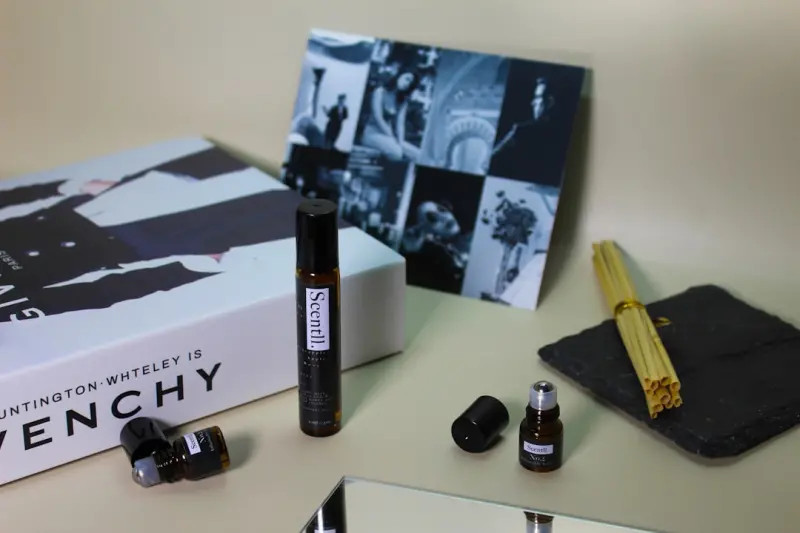
Scented Symphony: Crafting Olfactory Narratives in Fine Dining
Discover the power of scent in fine dining and how chefs are weaving aromatic narratives to elevate flavor, mood, and memory for unforgettable meals....Read More
Reviving Forgotten Techniques: Heritage Cooking Takes Center Stage in Fine Dining
Chefs are breathing new life into ancient cooking methods, creating a fine‑dining experience that marries history, flavor, and storytelling....Read More
Nature‑Infused Dining: How Biophilic Design Is Transforming Restaurant Experiences
Discover how bringing natural elements into restaurant interiors enhances flavor perception, staff morale, and sustainability, turning every meal into a restora...Read More
Becky Putman's Latest Restaurant Hunt: Uncovering Hidden Gems in 2024
Join Becky Putman as she reveals her sensory checklist, community focus, and insider tricks to discover 2024’s most authentic restaurant gems....Read More
0 Comments
Post Comment
You will need to Login or Register to comment on this post!