
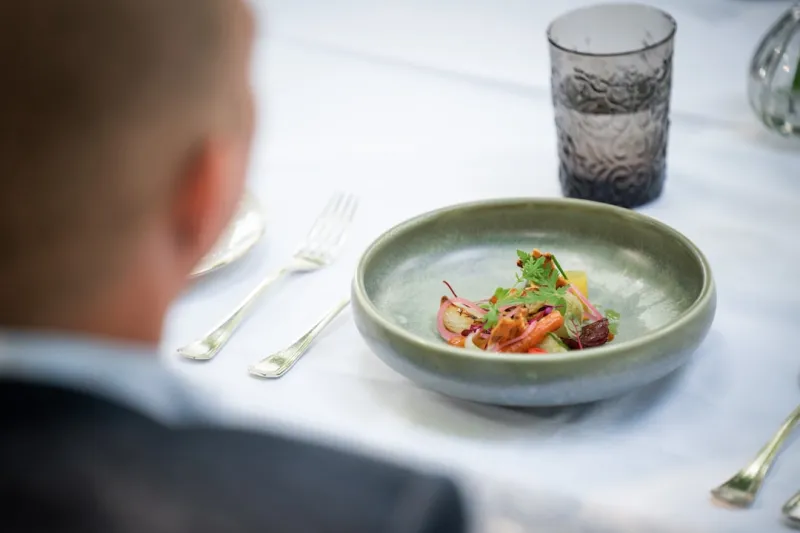
The Narrative Plate: Why Fine Dining Is No Longer Just About Food
Walking into a top‑tier dining room in 2026 feels like stepping onto a stage where every element—lighting, sound, aroma, even the texture of the tablecloth—has been choreographed to amplify the story on your plate. Fine dining has shed its old guard of silent service and embraced a vibrant dialogue between chef, space, and guest, turning each course into a chapter that begs to be read, tasted, and remembered. I find myself savoring not just the flavors but the emotions they conjure, a shift that has made my evenings out feel more like immersive theater than a simple meal.
Storytelling as the Core Ingredient
In the past year, the most compelling restaurants have placed narrative at the heart of their menus, weaving personal histories, local myths, and seasonal cycles into every bite. This isn’t just marketing fluff; it’s a flavor‑first philosophy that demands chefs articulate their inspiration as clearly as they plate the food. For a deeper dive into how this movement is reshaping the industry, see Why 2026 Is the Year Fine Dining Becomes a Storytelling Sensory Feast, which outlines the sensory layers that now define a memorable service.
What truly excites me is the way storytellers are using the plate as a canvas for cultural memory, allowing diners to taste heritage without the need for lengthy explanations. A dish may begin with a reclaimed wheat crumble that references ancient agricultural practices, then transition into a broth infused with herbs grown on the restaurant’s rooftop garden—each element echoing a different stanza of the same tale. The result is a cohesive narrative that feels both intimate and grand, a feeling I chase in every reservation.
Multi‑Sensory Design: Beyond Taste
The modern fine‑dining experience now engages sight, sound, smell, and even touch to elevate the palate. Think of a table illuminated by soft amber light that shifts in hue as the courses progress, mirroring the changing moods of the story. Background soundscapes—whether the gentle rustle of forest leaves or the distant hum of a bustling market—are carefully curated to complement the aromas wafting from the kitchen, creating an environment where each sense reinforces the others.
Technology plays a subtle but powerful role, with AR projections that reveal the provenance of an ingredient or a chef’s handwritten note appearing beside your plate as you lift the fork. These innovations aren’t gimmicks; they’re tools that deepen the connection between diner and dish, allowing us to see, hear, and even feel the narrative before the first bite. When executed with restraint, they transform a meal into a holistic journey that lingers long after the dessert is cleared.
Sustainability Meets Story
Eco‑consciousness has become a narrative thread woven into the fabric of 2026’s fine‑dining scene. Chefs are now storytellers of the planet, highlighting regenerative farming practices and zero‑waste techniques as part of their culinary chapters. The conversation around sustainability is no longer a sidebar; it’s front‑and‑center, influencing menu design, ingredient sourcing, and even the waste‑to‑energy systems hidden behind the kitchen doors.
For a comprehensive look at how storytellers are marrying green practices with gastronomic ambition, check out The Flavor‑First Renaissance: How 2026 Is Redefining Restaurant Storytelling. The piece showcases kitchens that turn surplus produce into avant‑garde garnishes, turning potential waste into narrative gold. When diners understand the journey of their food—from soil to spoon—they become participants in a larger story of stewardship, adding emotional weight to each perfectly cooked bite.
Chef Collaborations: The Power of Collective Narrative
Collaboration has surged as chefs from disparate backgrounds unite to co‑author menus that blend tradition with innovation. When a French pâtissier teams up with a Japanese umami specialist, the resulting dishes read like a conversation between two cultures, each course offering a fresh perspective while honoring the other's heritage. These partnerships are less about ego and more about expanding the collective vocabulary of flavor.
Such alliances often extend beyond the kitchen, inviting artists, musicians, and even scientists to contribute their expertise. A recent example saw a molecular biologist design a dish that changes texture in response to temperature, symbolizing the fluidity of memory. These interdisciplinary projects reinforce the idea that fine dining is an evolving narrative, one that thrives on fresh voices and daring collaborations.
The Diners’ Role: From Passive Audience to Active Protagonist
In this new era, the guest is no longer a silent observer but an essential character in the story. Menus are increasingly interactive, prompting diners to choose the order of courses based on personal preference or to suggest flavor pairings that the chef then incorporates on the fly. This dynamic approach transforms the meal into a collaborative performance, where every decision shapes the final arc.
Such empowerment encourages diners to engage more deeply, asking questions about ingredient origins, cooking techniques, and the emotional intent behind each plate. The resulting dialogue enriches the experience, turning a simple dinner into a memorable exchange that lingers in conversation long after the glasses are emptied. It’s a shift I cherish, as it aligns perfectly with my belief that food is a conversation starter, not a monologue.
Looking Ahead: AR Menus and Sensory Futures
Looking forward, I anticipate augmented reality menus becoming the norm, allowing guests to visualize the story behind each dish before it arrives. Imagine pointing your phone at a plate and watching a short animation of the farmer harvesting the heirloom tomato, accompanied by a whisper of the hillside wind that inspired the chef’s seasoning. This blend of technology and narrative will deepen the emotional resonance of each bite, making the dining experience unforgettable.
Moreover, as climate change reshapes agricultural landscapes, chefs will increasingly rely on hyper‑local storytelling—celebrating micro‑climates, rare varietals, and the resilience of communities adapting to new conditions. The future of fine dining lies in its ability to adapt, to tell new stories that honor both tradition and innovation, and to invite us, the diners, into that evolving tale. I can’t wait to sit down at the next table and discover what story awaits on my plate.

Becky Putman is an Ottawa-based freelance writer and marketing professional with a passion for storytelling, animals, and community involvement. She enjoys creating engaging content that informs, inspires, and connects with readers.
Related Posts
Beyond the Plate: How Storytelling Redefines Fine Dining
Fine dining is evolving beyond flavors; chefs now craft edible narratives, turning each course into ... Read More
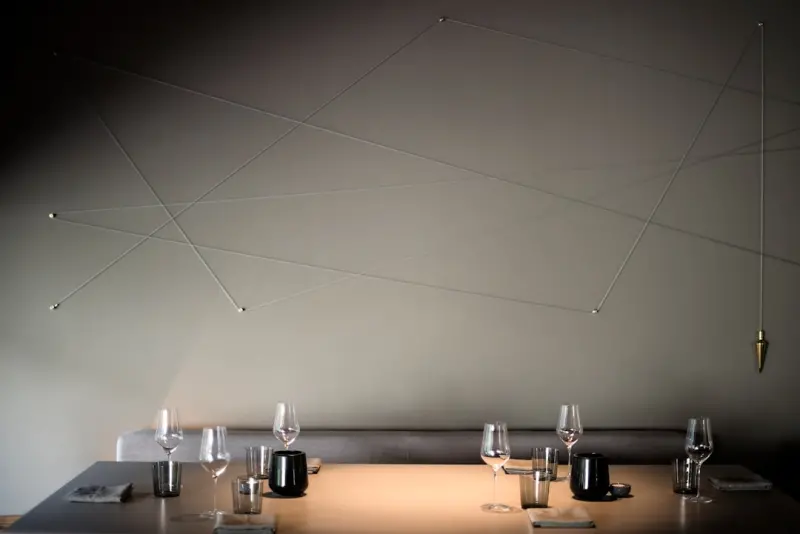
Illuminating Fine Dining: How Light Shapes Flavor, Mood, and Memory
Explore the subtle power of light in fine dining—how illumination can amplify flavors, set the moo... Read More
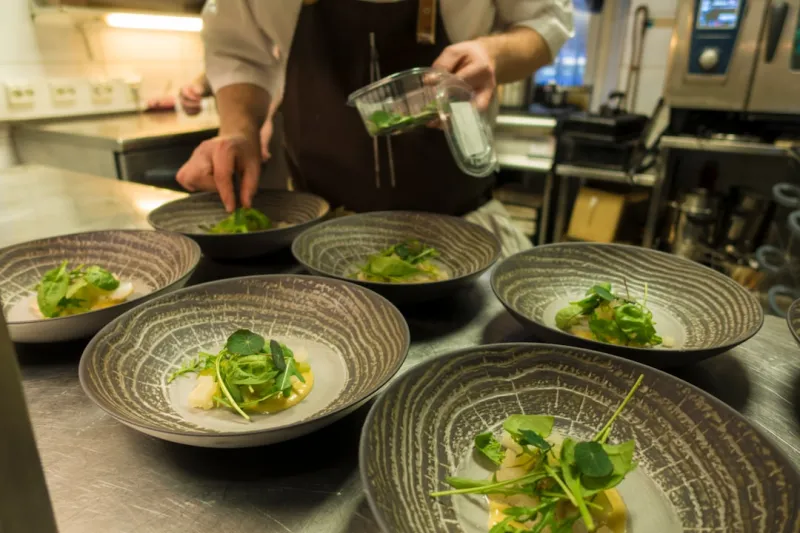
Savoring Stories: How Fine Dining Transforms Meals into Narrative Art
Discover the art of storytelling on a plate, where chefs craft each dish as a chapter, creating imme... Read More
Top Posts
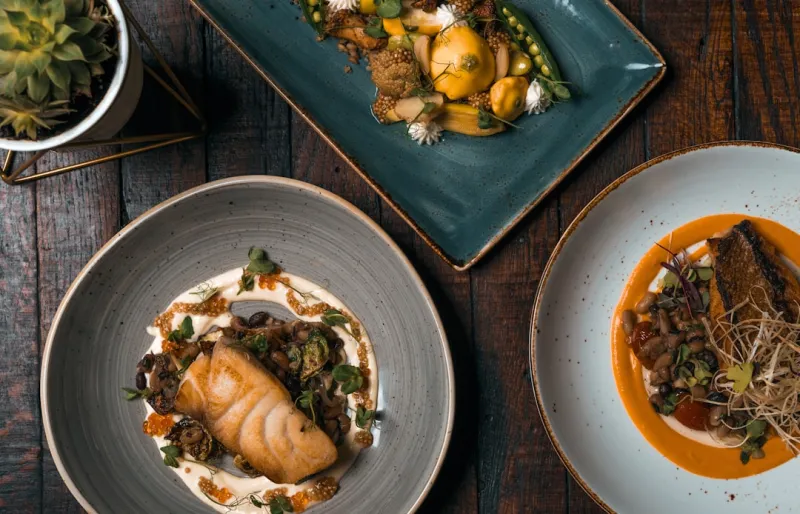
Fine Dining Reimagined: Becky Putman's 2024 Flavor Expedition
Becky Putman dives into 2024's fine‑dining scene, revealing hidden gems, flavor‑first philosophies, and how storytelling reshapes every unforgettable plate....Read More
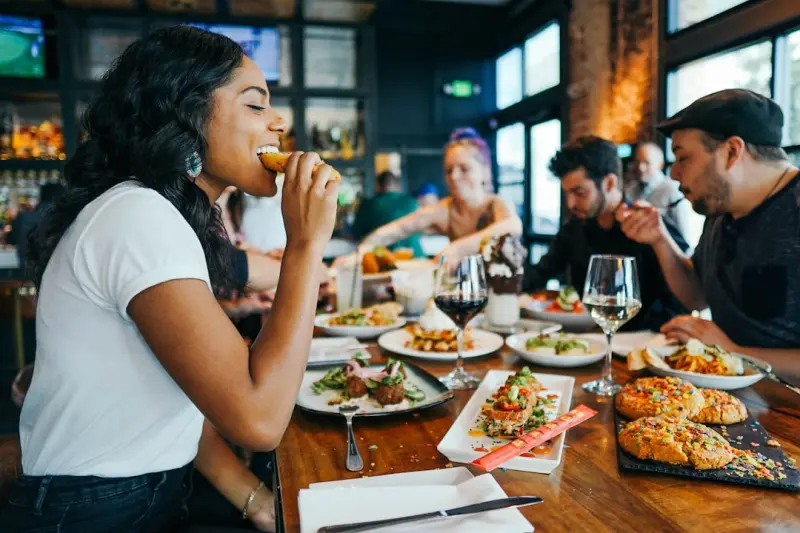
The Five‑Senses Feast: How Restaurants Are Turning Meals Into Multisensory Experiences
Discover the rise of sensory dining—where aroma, sound, lighting, texture, and taste unite—to transform ordinary meals into memorable experiences that keep ...Read More
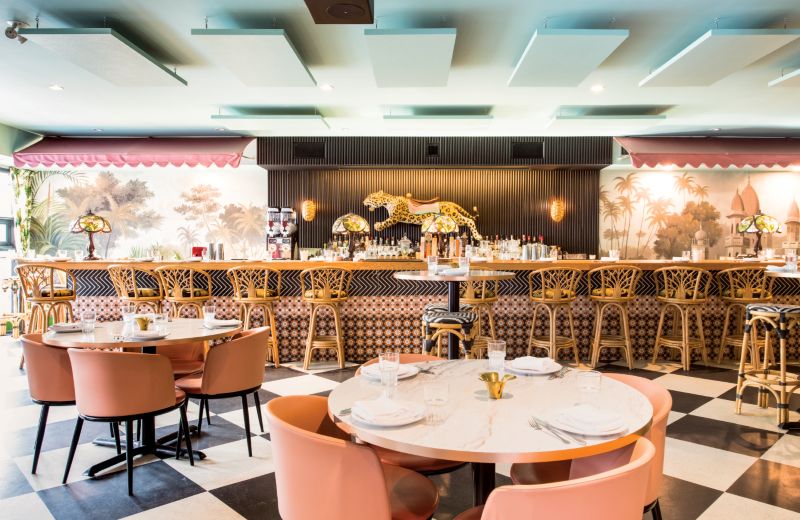
What Makes a Good Restaurant Good: A Symphony of Elements
In the world of dining out, a restaurant’s success hinges on more than just the food on the plate. While delectable cuisine is undoubtedly a cornerstone of a ...Read More
Beyond the Guidebook: Finding the Best Restaurants Off the Beaten Path
I’m sharing how I track down the city’s most authentic eateries—those tucked away alleys, family‑run kitchens, and neighborhood hubs that deliver unforg...Read More
0 Comments
Post Comment
You will need to Login or Register to comment on this post!