

Why Fine Dining Is Turning Up the Volume on Experience
When I first stepped into a restaurant that whispered a carefully curated playlist the moment the doors closed, I realized that the future of fine dining was no longer limited to the palate alone; it was about orchestrating every sense in a harmonious narrative that lingered long after the last course left the table, a revelation that reshaped my own expectations of what a night out could feel like, especially after years of chasing the perfect bite without ever considering the invisible layers that accompany it, and as I began to explore the subtle ways that sound can amplify or mute flavors, I found myself questioning why chefs and restaurateurs had not been experimenting with acoustics for decades, a gap that now seems almost negligent in an industry that prides itself on meticulous attention to detail.
The Soundscape: How Curated Audio Becomes a Palate Partner
Imagine a dinner where the gentle swell of a cello mirrors the rise of a beurre blanc, the low rumble of distant drums echoing the earthy depth of a mushroom consomme, and the crisp clink of glassware timed to a soft piano chord, a design principle that top‑tier establishments are embracing by hiring sound designers to map frequency ranges to specific ingredients, because research shows that low frequencies can enhance perceived sweetness while high pitches sharpen acidity, and when I sat at a table where the ambient track shifted seamlessly from a breezy jazz breeze to a hushed, rain‑kissed lullaby as the menu progressed, I felt each dish resonating not only in my mouth but in the very air that surrounded me, a phenomenon that transforms dining into an immersive concert where the orchestra is both invisible and indispensable.
The Subtle Art of Aroma: Scent Pairings That Whisper Before the Fork Arrives
Before the first bite touches the tongue, the nose has already begun drafting the story, a truth that many chefs now honor by diffusing complementary scents into the dining room, such as a faint citrus zest that prefaces a sea‑salted scallop or a whisper of pine that prepares the palate for a rosemary‑infused lamb, because olfactory cues can prime the brain to expect certain flavors, thereby amplifying their intensity, and during a recent tasting at a rooftop venue I was greeted by a subtle hint of smoked cedar that lingered just above the candlelight, a deliberate choice that made the subsequent charred vegetable medley feel more profound, proving that when scent and flavor converse, the dialogue can elevate a dish from memorable to unforgettable.
Texture and Temperature: Tactile Storytelling on the Plate
Beyond what we hear and smell lies the often‑overlooked realm of touch, where the temperature of a plate, the grain of a wooden board, and the weight of a silver spoon each contribute to the narrative of a meal, because the human brain registers temperature as a cue for freshness, and a chilled marble slab can make a sorbet feel more vibrant while a warm stone bowl deepens the comfort of a rustic stew, and I have found that restaurants experimenting with textured table linens, hand‑polished stoneware, and even subtle vibrations beneath the surface are able to coax diners into a more engaged, mindful state, a practice that aligns perfectly with the growing desire for experiences that feel both luxurious and deeply personal.
A Real‑World Example: The Symphony Kitchen’s Multi‑Sensory Journey
One of the most compelling showcases of this holistic approach is the tableware design innovations at Symphony Kitchen, where every element—from the curved glass that captures light like a violin bow to the acoustically tuned dining room ceiling—has been engineered to interact with the chef’s vision, and during my visit the maître d’ explained that each course is paired with a bespoke soundscape, a matching aroma mist, and a temperature‑controlled plate, a choreography that required months of collaboration between chefs, sound engineers, and perfumers, resulting in a dining experience where a citrus‑forward fish dish arrived with a bright, citrus‑infused mist and a crisp, high‑frequency chime that together heightened the dish’s acidity, a synergy so seamless that I could not recall the last time I felt every sense dancing in unison.
Collaboration Behind the Curtain: Chefs, Sound Engineers, and Perfumers Unite
Creating such a layered experience is far from a solo endeavor; it demands that culinary artists sit down with acoustic consultants to map the frequency profile of each ingredient, that they consult with professional perfumers to develop scent notes that will not overwhelm but rather complement the flavors, and that they work with interior designers to select materials whose tactile qualities reinforce the intended mood, because the best‑executed multi‑sensory meals feel like a well‑rehearsed performance where every backstage player knows exactly when to cue their contribution, and I have witnessed kitchens where the head chef holds a weekly “senses meeting” with a sound designer and a fragrance specialist, a ritual that ensures the evolving menu remains in perfect harmony with its auditory and olfactory partners.
The Science of Perception: Why Multi‑Sensory Dining Works
Neuroscientists explain that the brain processes taste, smell, sound, and touch in overlapping regions, meaning that a change in one sense can amplify or mute another, a principle that fine‑dining innovators are exploiting by deliberately aligning sensory inputs to reinforce desired flavor profiles, such as using low‑frequency bass tones to enhance the perception of umami or introducing a warm, woody aroma to make a spicy dish feel more balanced, and studies have shown that diners who experience these synchronized cues report higher satisfaction scores, longer dwell times, and a greater willingness to recommend the restaurant, data that confirms the commercial viability of investing in a multi‑sensory strategy.
Preparing for the Experience: What Diners Should Know
If you are considering a reservation at a venue that touts a “sensory tasting menu,” it helps to arrive with an open mind and a willingness to engage all your senses, which means silencing your phone not just for etiquette but to fully absorb the soundscape, arriving with a modest appetite so you can appreciate the progressive intensity of aromas, and allowing yourself the time to notice subtle temperature changes on the plate, because the magic often lies in those fleeting moments between courses, and many restaurants provide a brief pre‑dinner briefing or a printed guide that outlines the intended sensory journey, a gesture that empowers guests to become active participants rather than passive observers, a shift that aligns perfectly with the modern diner’s desire for immersive, story‑driven experiences.
Looking Ahead: The Next Wave of Sensory Exploration
As technology continues to blur the lines between the physical and digital realms, I anticipate that fine‑dining establishments will soon integrate real‑time biometric feedback, allowing chefs to adjust sound levels or scent intensity based on a guest’s heart rate or facial expression, a concept that builds on the already impressive foundations of personalized menus while pushing the envelope into truly adaptive hospitality, and while some may argue that such precision risks turning meals into overly engineered spectacles, my belief is that when executed with humility and respect for the guest’s autonomy, these innovations will deepen the emotional resonance of dining, ensuring that the memory of a meal lives not only on the palate but in the echo of a song, the trace of a fragrance, and the gentle press of a perfectly chilled plate against the hand.

Becky Putman is an Ottawa-based freelance writer and marketing professional with a passion for storytelling, animals, and community involvement. She enjoys creating engaging content that informs, inspires, and connects with readers.
Related Posts
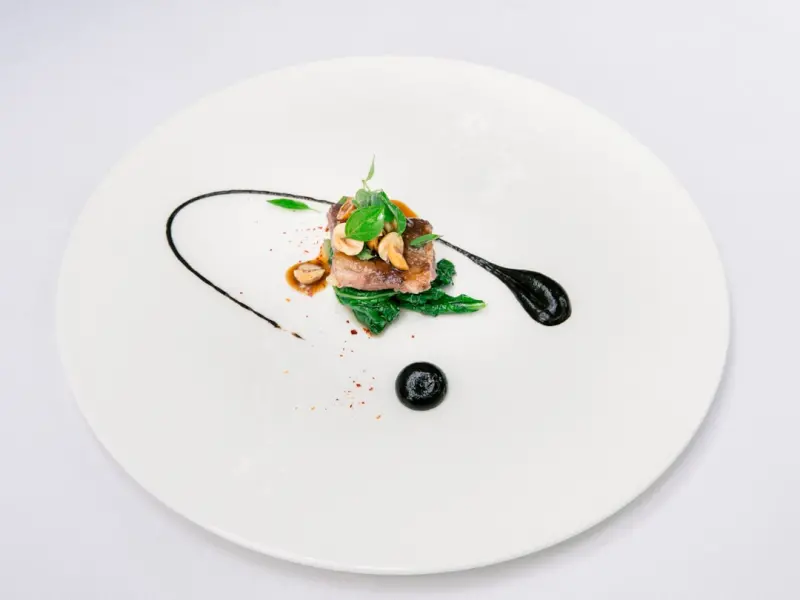
Wellness on a Plate: How Fine Dining is Embracing Health and Mindfulness
Fine dining is shifting toward health‑centric experiences, merging gourmet artistry with nutrition... Read More

When a Meal Becomes a Narrative Adventure
Fine dining isn’t just food—it’s a narrative adventure. Explore how ambience, menus, and servi... Read More
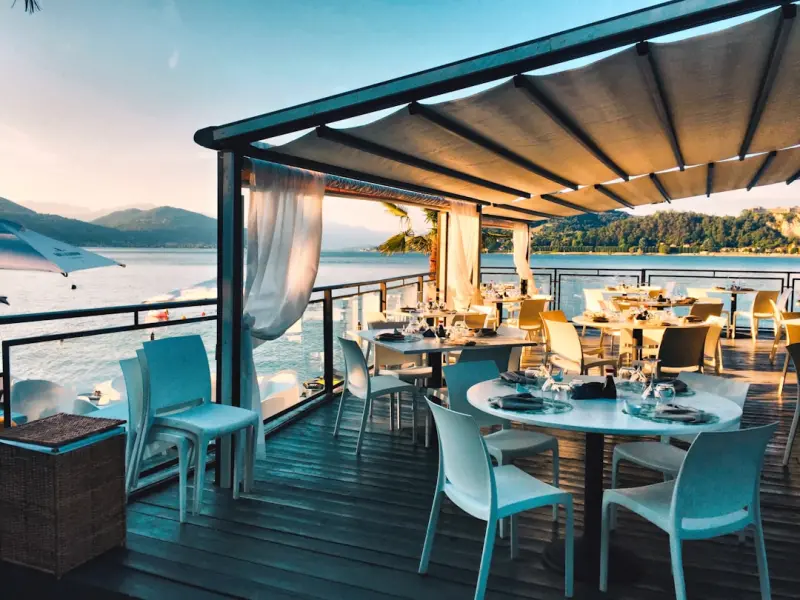
How Light Becomes the Secret Ingredient in Fine Dining
Explore the hidden power of illumination in fine dining—how color, intensity, and smart systems tu... Read More
Top Posts
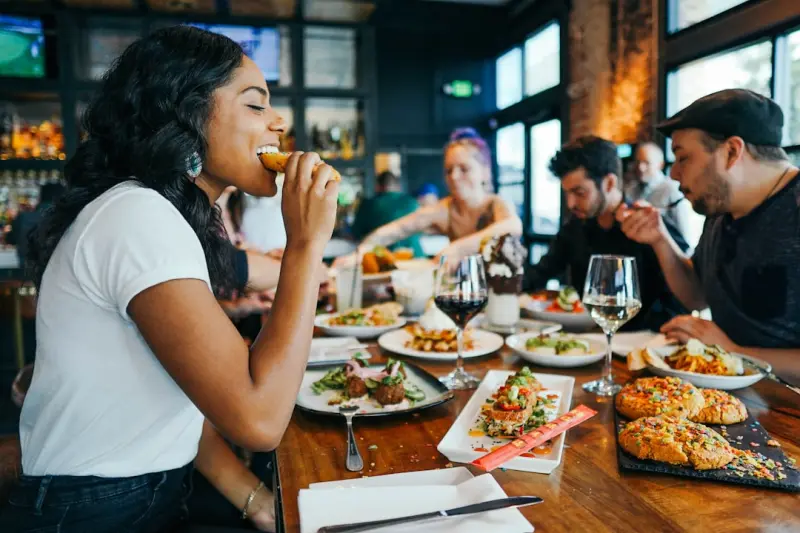
When Restaurants Prioritize Employee Wellness, Everyone Wins
A deep dive into how investing in employee health and happiness transforms restaurant culture, enhances service quality, and ultimately fuels business growth....Read More

Community‑Centric Restaurants: Why Local Hubs Are the New Culinary Gold
Discover why the best restaurants today act as community hubs—offering shared spaces, local collaborations, and authentic storytelling that turn meals into la...Read More

When Data Meets Dinner: Personalized Dining Experiences Redefine Restaurants
Explore the new wave of data-powered dining where restaurants craft each visit to match individual tastes, habits, and moods....Read More
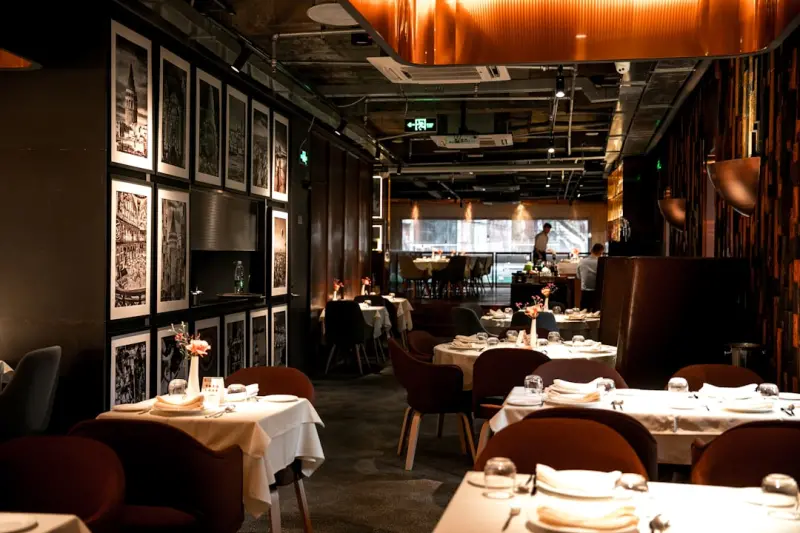
The Silent Storyteller: How Tableware Shapes Fine‑Dining Experiences
Discover the hidden power of tableware—from material and shape to sustainability—and how it transforms every fine‑dining moment into a curated story....Read More
0 Comments
Post Comment
You will need to Login or Register to comment on this post!