

Why Restaurants Are Evolving into Neighborhood Creative Hubs
When I first stepped into a downtown bistro that doubled as a pottery studio, I realized the dining experience could extend far beyond a single meal. Restaurants are no longer isolated kitchens; they are becoming living rooms for the block, places where art, education, and commerce intersect under one roof. This shift reflects a growing desire among diners to feel rooted in the stories of the streets they walk, and it redefines what “best” truly means in the culinary world.
The Community‑First Blueprint: More Than Just Food
Modern eat‑ins are deliberately designing their layouts to host language classes, live‑music nights, and seasonal farmers‑market pop‑ups, turning every table into a potential gathering point. By allocating space for workshops and open‑mic sessions, they nurture a sense of belonging that makes patrons return for reasons that have little to do with the menu. The result is a vibrant ecosystem where the restaurant acts as a catalyst for cultural exchange, and guests leave feeling enriched, not merely satisfied.
Front‑of‑House Innovation Meets Local Collaboration
One standout example is a riverside café that has integrated a front‑of‑house innovation strategy focused on community interaction, offering a rotating “skill‑share” board where locals can book a spot to teach anything from salsa dancing to woodworking. The café’s host, a former sous‑chef turned entrepreneur, believes that the buzz of conversation and learning adds a layer of flavor that no sauce can replicate. Guests often comment that the experience feels like “dining in a living museum,” where each visit uncovers a new exhibit of talent.
Curated Drink Programs as Social Glue
Beyond food, the beverage program has emerged as a powerful tool for community building, especially when establishments partner with local brewers, tea artisans, and mixologists to craft signature drinks that tell a neighborhood’s story. In a loft‑style eatery downtown, the bar offers a “Heritage Pour” series, each cocktail named after a historic street corner and brewed with ingredients sourced from nearby farms. The narrative behind each glass is highlighted in a tasting card, turning a simple sip into an educational moment that sparks conversation among strangers. This approach aligns with the insights from our previous deep dive on curated drink programs, illustrating how liquid creativity can bridge gaps between patrons.
Ingredient Sourcing as a Shared Journey
When restaurants open their doors to the public for harvest festivals, seed‑saving workshops, or foraging walks, they transform the act of sourcing into a communal adventure. Diners who help pick the kale that will later grace their plates develop a personal connection to the food, turning each bite into a reminder of the labor and love that went into its cultivation. This participatory model not only educates guests about seasonality but also supports local growers, creating a feedback loop where the community invests in its own culinary future.
Design That Invites Exploration
The physical space of these hubs is deliberately crafted to encourage curiosity; movable walls, gallery‑style lighting, and modular furniture allow the venue to shift from a dinner service to an art showcase in minutes. One boutique restaurant features an ever‑changing mural painted by local high school art classes, turning the dining room into a living gallery that evolves with each semester. Such design choices signal to patrons that the establishment values creativity as much as cuisine, reinforcing the idea that a great restaurant is also a cultural incubator.
Economic Ripples: Boosting the Neighborhood
When a restaurant adopts the role of a community hub, the economic benefits radiate outward, spurring foot traffic that supports nearby boutiques, bookstores, and co‑working spaces. Small‑business owners report higher sales on nights when the restaurant hosts a local‑author reading or a pop‑up vintage market, proving that the synergy between food and culture can be a catalyst for broader revitalization. In turn, the restaurant enjoys a loyal customer base that appreciates its contribution to the neighborhood’s vitality, creating a win‑win scenario that redefines “best” as a measure of communal impact.
How to Spot a Neighborhood Creative Hub
If you’re hunting for restaurants that double as cultural hotspots, look for a few tell‑tale signs: an event calendar posted on the window, collaborations with local artists or schools, and a menu that highlights seasonal, locally sourced produce. Social media feeds that showcase workshops, live performances, or community projects are also strong indicators that the eatery is invested in more than just culinary excellence. Trust your instincts—places that feel alive, noisy, and slightly chaotic often host the most rewarding experiences beyond the plate.
Embrace the Fusion of Flavor and Community
Next time you crave a memorable night out, consider stepping into a restaurant that offers more than a reservation; seek out a space where the walls echo with music, the tables host workshops, and the glass is filled with stories. By supporting these hybrid venues, you contribute to a movement that reimagines dining as a shared, immersive adventure, turning every meal into a catalyst for connection. The best restaurants of today are those that nourish both body and neighborhood, and they’re waiting just around the corner.

When it comes to the world of blogging and writing, Rose DesRochers is a name that stands out. Her passion for creating quality content and connecting with her audience has made her a trusted voice in the industry. Aside from her skills as a writer and blogger, Rose is also known for her compassionate nature.
Related Posts

Beyond the Plate: How Restaurant Architecture Shapes the Dining Experience
Explore how architecture, lighting, and sound design become key ingredients in unforgettable dining ... Read More
Snap‑Worthy Bites: The Best Restaurants for Food‑Photography Lovers
Explore city and scenic eateries that pair perfect lighting, artful plating, and Instagram‑ready s... Read More
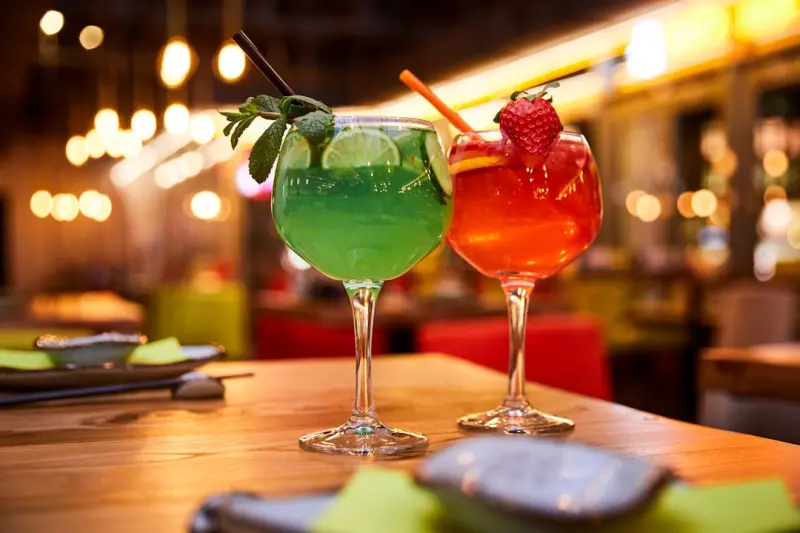
Sipping Success: The Restaurants with the Most Exceptional Beverage Programs
Explore the restaurants that pair unforgettable food with standout drink programs, from craft cockta... Read More
Top Posts
Beyond Points: How Restaurants Turn Data Into Personal Dining Experiences
Explore the shift from traditional loyalty points to data‑powered, experience‑focused rewards, and learn how restaurants can craft unforgettable moments tha...Read More
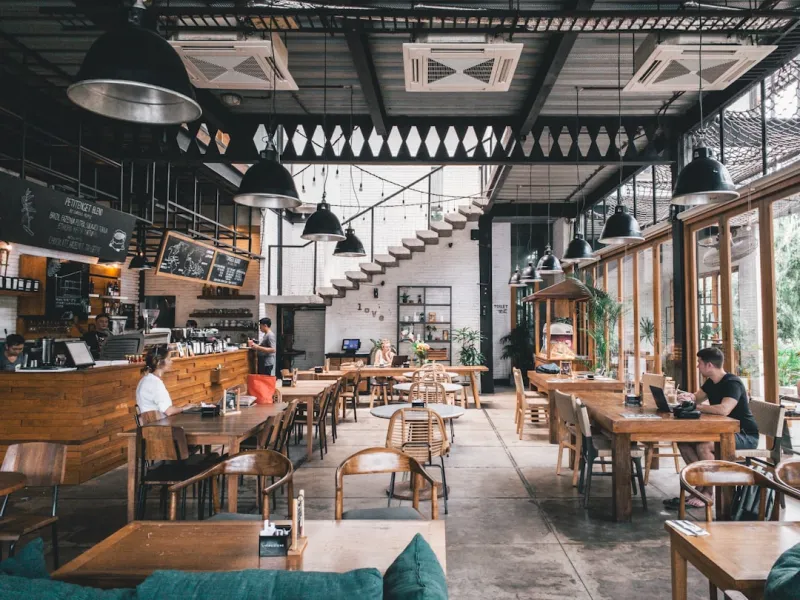
The Restaurant Renaissance: Becky Putman's 2024 Flavor-First Exploration
Becky Putman explores the 2024 restaurant renaissance, unveiling hidden gems, sustainable practices, and the stories that turn meals into unforgettable experien...Read More
The Diplomatic Plate: How Fine Dining Bridges Cultures
Fine dining isn’t just about luxury; it’s a diplomatic tool that uses food, stories, and partnership to bridge cultures, boost tourism, and foster global un...Read More
How Restaurants Turn Dinner Into a Story Worth Telling
Explore the art of narrative dining, where menus read like chapters, staff act as storytellers, and each bite becomes a memorable part of a larger culinary stor...Read More
0 Comments
Post Comment
You will need to Login or Register to comment on this post!