

Why Restaurants Are Becoming Mini‑Getaways
Ever walked into a restaurant and felt the instant pull of a far‑off city, a distant coastline, or a hidden mountain village, even though you’re still sitting at the same downtown address? I’ve started to notice that many establishments are deliberately layering their spaces, menus, and service with cues that mimic the excitement of stepping off a train into a new locale, and it’s not just a gimmick—it’s a strategic move to deepen engagement and spark repeat visits. The shift from “eat‑out” to “experience‑out” is reshaping how we think about dining, turning a simple dinner into a curated travel itinerary that satisfies both palate and wanderlust.
The Narrative Power of Place
When a chef frames a dish as “the sunrise over the Serengeti” or a cocktail as “a midnight stroll through Kyoto’s Gion district,” they’re doing more than naming; they’re weaving a narrative thread that connects diners to a specific geography, history, and emotion. I love how these stories invite guests to mentally pack a suitcase, sip a local brew, and hear distant sounds, all while staying comfortably seated at a table. By embedding cultural touchstones and vivid descriptions, restaurants create an emotional passport that encourages patrons to explore beyond the menu and linger longer in the moment.
Menus as Travel Itineraries
Think of a tasting menu as a curated tour guide, each course a stop on a thoughtfully plotted route that reveals a region’s flavors, textures, and traditions. When a chef explains that the first bite reflects “the misty mornings of the Scottish Highlands,” they’re not only describing taste but also painting a sensory map that guides the diner’s imagination. The secret ingredients become landmarks, and the progression of dishes mirrors a journey from sunrise to sunset, making the act of eating feel like an adventure rather than a routine.
Local Partnerships that Tell a Story
Restaurants are increasingly teaming up with local artisans, historians, and cultural groups to infuse authenticity into their storytelling, turning each plate into a collaborative narrative. By sourcing heirloom grains from nearby farms, featuring pottery made by regional craftsmen, or hosting live folklore performances, they anchor their culinary travel experience in tangible community connections. This approach not only enriches the guest experience but also invites feedback that shapes future offerings; as diners share their impressions, the venue can refine its story‑telling, much like how guest feedback fuels continuous evolution.
Design Elements That Transport
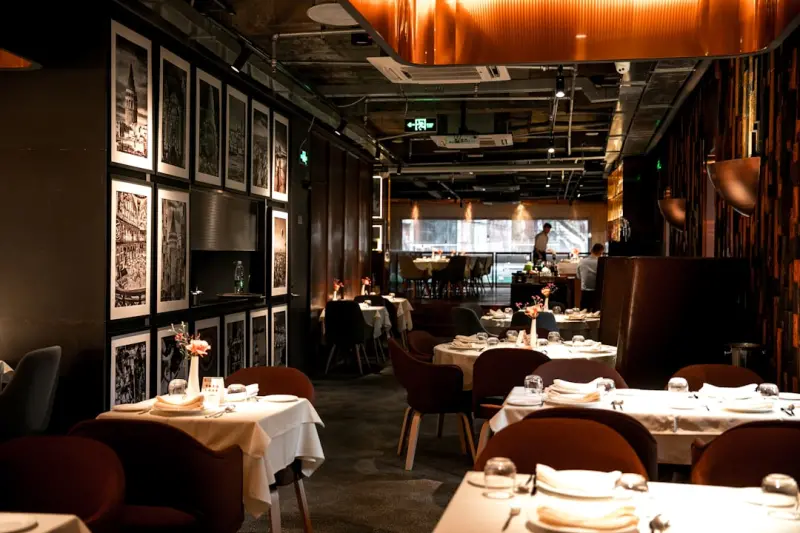
Beyond food, the physical environment plays a pivotal role in guiding diners’ imaginations, with lighting, color palettes, and spatial layouts mirroring the ambience of distant locales. Warm amber glows can evoke a Mediterranean sunset, while crisp, cool blues paired with minimalist furnishings suggest a sleek Scandinavian lodge. Thoughtful placement of artwork, maps, and subtle scent diffusers further deepens the illusion, turning a regular dining room into a portal that subtly shifts mood and appetite with each visual cue.
Story‑Driven Loyalty Programs
Traditional points‑based rewards are giving way to experience‑focused loyalty schemes that act like travel stamps, encouraging diners to “collect” visits to themed nights, regional pop‑ups, or seasonal storytelling events. Instead of merely earning a free dessert, guests might unlock a private tasting session that explores the cuisine of a specific country, complete with curated playlists and decor that mirrors that destination. This shift transforms loyalty into a narrative journey, where each reward deepens the traveler’s connection to the restaurant’s evolving story.
Technology as a Narrative Bridge
While some eateries have jumped straight into augmented reality, many are opting for subtler digital tools that enhance storytelling without overwhelming the senses. QR codes placed on tables can link diners to short videos about a dish’s origin, interviews with producers, or interactive maps that trace ingredient routes from farm to plate. These low‑key digital layers act as modern guidebooks, allowing guests to dive deeper into the narrative at their own pace, enriching the travel‑like experience without detracting from the tactile enjoyment of food.
Sustainable Travel Without Leaving Your Seat
In an era where travelers are increasingly conscious of their carbon footprints, culinary tourism offers a sustainable alternative to physical journeys by delivering cultural immersion through taste and ambience. Restaurants that prioritize locally sourced ingredients, reduce waste, and spotlight regional traditions provide a guilt‑free way for diners to explore new horizons while supporting local economies. This alignment of sustainability and storytelling creates a compelling value proposition that resonates with eco‑aware guests seeking meaningful, low‑impact adventures.
Looking Ahead: The Future of Dining as Destination
As more restaurants embrace the art of narrative travel, the line between dining and tourism continues to blur, promising richer, more immersive experiences for curious palates. I’m excited to see how chefs will further integrate community voices, innovative design, and technology to craft ever‑more compelling journeys that keep guests returning not just for the food, but for the story that unfolds with each bite. The next time you reserve a table, ask yourself: what destination will this meal transport you to?

Becky Putman is an Ottawa-based freelance writer and marketing professional with a passion for storytelling, animals, and community involvement. She enjoys creating engaging content that informs, inspires, and connects with readers.
Related Posts

A Rose DesRochers Take on 2024’s Hottest Restaurant Movements
Rose DesRochers explores 2024’s restaurant renaissance, highlighting hyper‑local menus, tech‑i... Read More
How Restaurants Turn Dinner Into a Story Worth Telling
Explore the art of narrative dining, where menus read like chapters, staff act as storytellers, and ... Read More
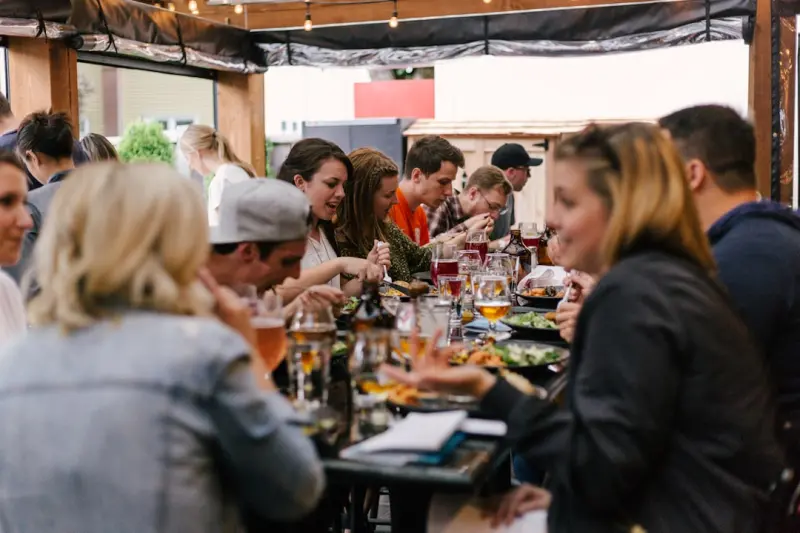
The Rise of Community Tables: Redefining Social Dining
Explore the growing trend of community tables in restaurants, where shared seating creates deeper co... Read More
Top Posts

Why 2026 Is the Year Fine Dining Becomes a Sensory Storytelling Feast
In 2026 fine dining transforms into a multisensory narrative, where flavor‑first dishes, immersive design, and personalized storytelling converge to redefine ...Read More
Heritage‑Heavy Dining: The Best Restaurants Celebrating Ancestral Flavors
Explore restaurants that spotlight ancient grains, heirloom spices, and traditional flavors, turning each meal into a journey through culinary history....Read More

Ghost Kitchens and the Delivery Revolution: Redefining How We Dine
Discover the rise of ghost kitchens, how they blend technology, sustainability, and storytelling to transform restaurant business models and deliver restaurantâ...Read More
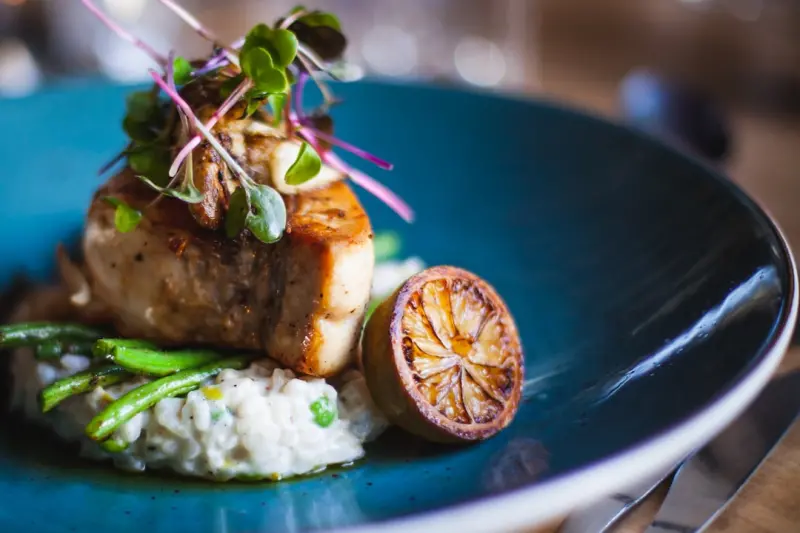
When Fine Dining Becomes a Narrative Journey
Discover how fine dining evolves into a storytelling adventure, where menus, wine pairings, and service become chapters in a memorable culinary narrative....Read More
0 Comments
Post Comment
You will need to Login or Register to comment on this post!