

Why Scent is the Unsung Hero of Modern Restaurants
When you walk into a restaurant, the first thing you notice isn’t the lighting or the décor—it’s the subtle aroma that greets you at the door. That scent can instantly set the mood, priming diners for the experience that follows, yet most establishments treat it as an afterthought. By deliberately curating a signature scent, restaurateurs can create an emotional anchor that makes their venue unforgettable and encourages repeat visits.
Science Meets Hospitality: How the Nose Guides the Palate
Neuroscience shows that smell and taste are intertwined, with the olfactory system sending signals to the brain that influence flavor perception. A carefully chosen aroma—whether it’s fresh rosemary, smoked cedar, or a hint of citrus—can amplify the flavors on the plate, making dishes taste richer without altering the recipe. This sensory synergy is a powerful tool for chefs looking to elevate their menu without adding extra ingredients.
Crafting a Scent Narrative: From Entryway to Dessert
Just as a story has a beginning, middle, and end, a restaurant’s scent journey should flow seamlessly from the moment guests arrive until the final bite. Start with a welcoming note in the lobby, transition to a complementary aroma in the dining area, and finish with a subtle scent that lingers as diners exit. This layered approach reinforces brand identity and turns a simple meal into an immersive narrative.
Case Study: The Aroma of Fresh Herbs in Farm‑to‑Table Spots
Many farm‑to‑table restaurants already emphasize hyper‑local ingredients, but a few have taken it a step further by diffusing the very herbs they serve. Imagine the faint scent of basil wafting through the air just before a Caprese salad arrives—diners feel a subconscious connection to the dish before the first forkful. For inspiration on hyper‑local concepts, see hyper‑local harvest and how it reshapes the dining experience.
Balancing Scent with Sound: A Multi‑Sensory Symphony
While scent shapes the palate, sound influences the pace and emotional tone of a meal. Restaurants that synchronize their aroma strategy with a carefully curated soundtrack can amplify both effects, creating a cohesive atmosphere that feels intentional rather than accidental. For a deeper dive into auditory ambiance, explore soundtrack strategy and its impact on guest perception.
Choosing the Right Scent: Brand Alignment and Guest Expectations
The ideal fragrance should reflect the restaurant’s concept, cuisine, and target audience. A sleek sushi bar might opt for a clean, marine scent, while a rustic bistro could lean into warm, toasted wood notes. Aligning scent with brand messaging ensures consistency across all touchpoints, from the website to the physical space, reinforcing the story you tell through your menu.
Practical Implementation: Tools, Placement, and Maintenance
Implementing a scent strategy doesn’t require a full‑scale perfume lab; modern diffusion systems are discreet, programmable, and adjustable to suit any floor plan. Position diffusers near entryways, bar areas, and restrooms to control where the fragrance is most effective, and schedule regular maintenance to keep the scent fresh and avoid overwhelming guests. Simple, strategic placement can make a huge difference without intruding on the dining experience.
Measuring Success: From Guest Feedback to Repeat Business
Quantifying the impact of scent involves gathering both qualitative and quantitative data. Guest surveys that ask about ambiance, coupled with analytics on repeat reservations, can reveal how a signature aroma influences loyalty. Over time, you’ll see patterns—perhaps a spike in positive reviews after introducing a new scent, or an uptick in evening bookings when a relaxing fragrance is used.
Future Trends: AI‑Driven Scent Personalization and Seasonal Rotations
Emerging technologies are enabling restaurants to tailor scents to individual guests using AI and biometric feedback, creating hyper‑personalized dining journeys. Seasonal scent rotations—think spiced pumpkin in autumn or fresh mint in summer—keep the experience fresh and align with menu changes, encouraging diners to return for new olfactory experiences. By staying ahead of these trends, restaurateurs can turn scent into a dynamic, revenue‑driving asset.

Becky Putman is an Ottawa-based freelance writer and marketing professional with a passion for storytelling, animals, and community involvement. She enjoys creating engaging content that informs, inspires, and connects with readers.
Related Posts

Fermentation‑Focused Restaurants: The Quiet Revolution Changing Your Plate
Discover how fermentation‑focused restaurants are reshaping dining with probiotic‑rich dishes, s... Read More

How Gamified Loyalty Programs Are Changing the Restaurant Landscape
Discover how game‑style loyalty schemes are reshaping dining, turning ordinary meals into quests t... Read More
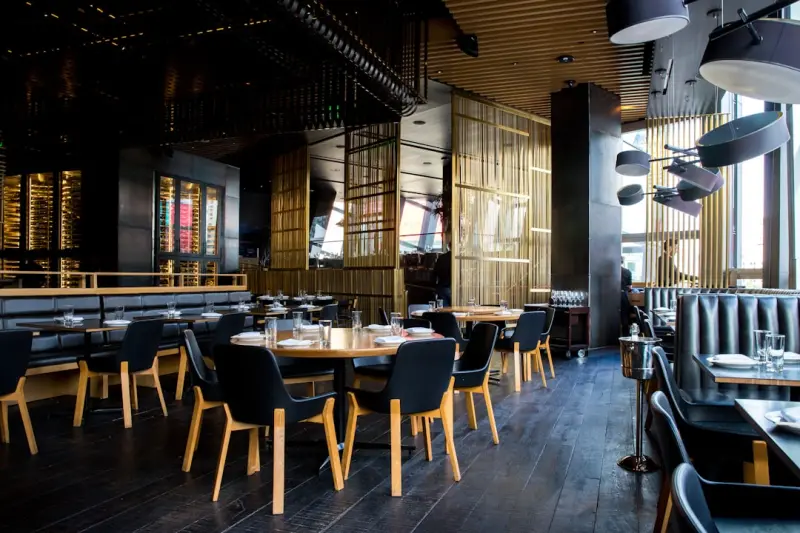
The Magic of Narrative Dining: Turning Meals into Stories
Discover the art of narrative dining, where chefs, ambience, and service collaborate to turn every m... Read More
Top Posts

How Sound Shapes the Restaurant Experience
Discover why the right soundtrack and thoughtful acoustics can elevate a meal from ordinary to unforgettable, and learn practical tips to fine‑tune your resta...Read More

Community‑Centric Restaurants: Why Local Hubs Are the New Culinary Gold
Discover why the best restaurants today act as community hubs—offering shared spaces, local collaborations, and authentic storytelling that turn meals into la...Read More
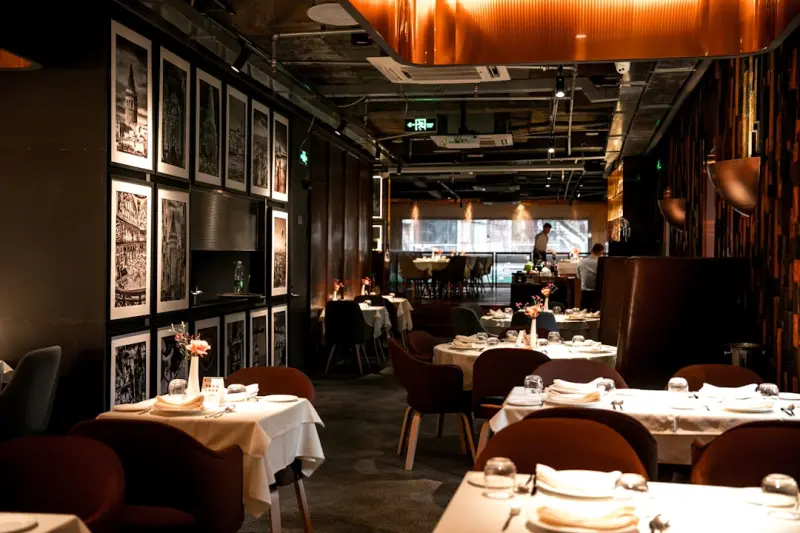
Reimagining the Chef’s Table: From Secret Booth to Interactive Stage
Discover the transformation of the chef’s table into an interactive performance, where design, storytelling, and personalized pairings create unforgettable fi...Read More
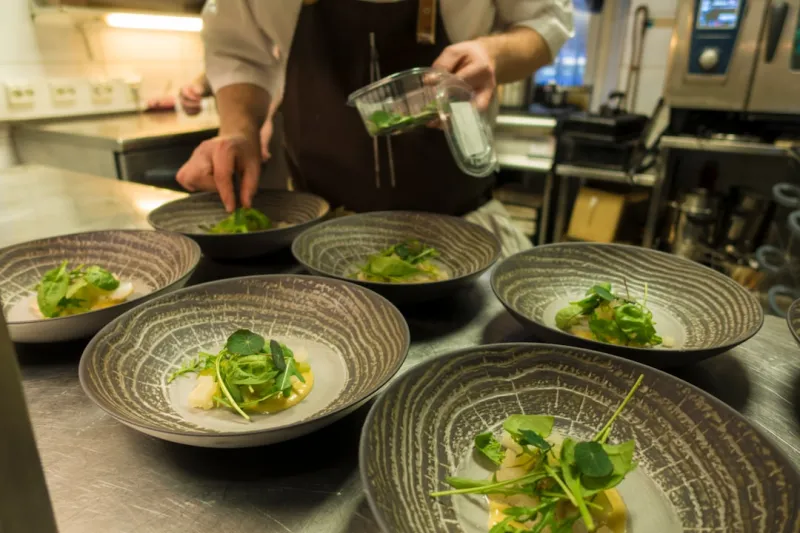
Savoring Stories: How Fine Dining Transforms Meals into Narrative Art
Discover the art of storytelling on a plate, where chefs craft each dish as a chapter, creating immersive fine‑dining experiences that linger long after the m...Read More
0 Comments
Post Comment
You will need to Login or Register to comment on this post!