
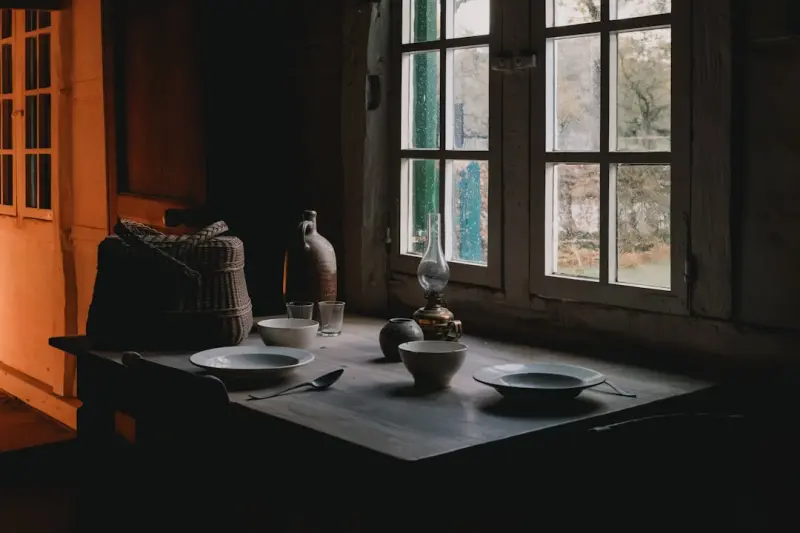
Why I Followed My Curiosity Into Complete Darkness
It started with a whisper from a friend who swore that the first bite of a perfectly seared scallop felt like a revelation when she couldn’t see the plate, only the taste; I, ever the culinary sleuth, felt an instant pull to investigate a dining experience that strips away the familiar visual cues and forces the palate to claim the spotlight, and I found myself at a door marked “Dining in the Dark” with a pulse of excitement that rivaled the anticipation before a new menu launch; stepping inside, the room was cloaked in velvet black, and the absence of sight instantly heightened every other sense, turning a simple act of eating into an immersive, almost theatrical, journey that lingered in my mind long after the last spoonful.
The Science Behind Sensory Overload (and Over‑Simplicity)
Research from neuroscientists shows that when the brain is deprived of visual input, it reallocates processing power to the remaining senses, especially taste and smell, and this neuro‑plastic shift means that flavors can appear brighter, textures more vivid, and aromas more seductive, a phenomenon I witnessed firsthand as the subtle citrus zing of a vinaigrette seemed to sing louder than any garnish ever could; the dining room, deliberately silent save for the soft rustle of napkins and the occasional clink of glass, becomes a laboratory where diners unknowingly conduct taste experiments, and the result is a heightened appreciation for nuance that often disappears under the glare of a well‑lit table.
A Brief History of Blind Dining and Its Global Footprint
The concept of eating without sight traces its roots to the 1990s when a group of adventurous restaurateurs in Paris launched the first “noir” restaurant to challenge the Euro‑centric emphasis on visual presentation, and the idea quickly spread to Tokyo, London, and beyond, each locale adapting the format to local culinary traditions while preserving the core principle of sensory immersion; today, more than a dozen cities host permanent or pop‑up iterations, each one a testament to the universal human curiosity about how far taste can travel when unanchored from the visual world, and the movement has even inspired culinary schools to incorporate blind tasting modules into their curricula, ensuring the next generation of chefs learns to craft dishes that speak to the palate alone.
Designing the Darkness: Safety, Staff Training, and Atmosphere
Behind the enigmatic blacked‑out rooms lies a meticulous choreography of safety protocols, from tactile floor markings that guide guests to their seats without a single step misstep, to specially trained servers who navigate the space with quiet confidence, often wearing subtle glow‑in‑the‑dark wristbands that remain invisible to diners but illuminate pathways for the staff; the ambience is further shaped by carefully selected textures—soft velvet seats, cool stone countertops, and the faint hum of low‑frequency music that adds a rhythmic pulse without overwhelming the senses, creating an environment where each bite feels intentional and every sound becomes part of the meal’s narrative.
How Blind Dining Alters Flavor Perception and Memory
When the eyes are shut, the brain compensates by amplifying the chemical signals that define taste, turning a modest hint of rosemary into a dominant herbaceous chorus, and this heightened perception not only deepens immediate enjoyment but also engraves the experience more firmly in memory, as studies reveal that multisensory meals are recalled with greater vividness and emotional resonance than standard dining encounters; I found that the lingering aftertaste of a dark‑chocolate mousse lingered longer in my recollection than any dessert I’d enjoyed under bright lights, a reminder that the stories our meals tell are often written in the mind’s eye rather than on the plate.
Menu Crafting for the Unseen Palate
Chefs designing a blind‑dining menu must think like storytellers, layering flavors, textures, and temperatures in a deliberate sequence that guides the diner through a narrative arc without relying on visual cues, and many opt for dishes that surprise—such as a smooth beet puree that masquerades as a velvety sauce before revealing its earthy depth, or a crisp tempura that shatters expectations with an unexpected burst of spice; for inspiration on how to weave seasonal elements into this sensory tapestry, I turned to the practice of seasonal sourcing, which encourages chefs to let the freshest ingredients dictate the story, ensuring each course feels both familiar and novel.
Inclusivity and Community Impact: Giving Voice to the Visually Impaired
Beyond the thrill for sighted diners, blind‑dining establishments often partner with local organizations that support visually impaired individuals, employing trained guides who not only assist guests but also provide employment opportunities that empower a community often overlooked in the hospitality sector, and these collaborations create a two‑way exchange where the blind community’s expertise in navigating darkness informs staff training, while diners gain a deeper empathy for the lived experiences of those who rely on senses beyond sight; such initiatives echo the broader movement toward zero‑waste practices, proving that conscientious dining can be both ethically and sensorially rich.
Marketing the Mystery: Word‑of‑Mouth, Social Media, and the Power of the Unseen
From a business perspective, the allure of the unknown is a potent marketing tool; restaurants that offer blind experiences often see a surge in buzz as patrons share their astonishment on social platforms, describing the “mind‑blowing” flavors and “unexpected” textures, and the intrigue fuels organic word‑of‑mouth that draws curious food lovers eager to test their own senses, while the scarcity of seats—often limited to intimate groups—to maintain the intimate atmosphere adds an exclusivity factor that further amplifies demand, turning each reservation into a coveted event rather than a routine night out.
My Takeaway: Embrace the Dark to Light Up Your Palate
After stepping back into the ordinary world of illuminated tables, I realized that the darkness was not a void but a canvas that allowed flavors to paint themselves with bold strokes, and I left with a renewed respect for how much of what we consider “good food” is actually a product of visual expectation; if you’re looking for a way to break free from the routine and discover the true depth of your culinary preferences, I wholeheartedly recommend seeking out a dining‑in‑the‑dark experience, because in the absence of sight, every bite becomes a revelation, every aroma a story, and every moment a reminder that the greatest meals often happen when we let go of what we think we know.

When it comes to the world of blogging and writing, Rose DesRochers is a name that stands out. Her passion for creating quality content and connecting with her audience has made her a trusted voice in the industry. Aside from her skills as a writer and blogger, Rose is also known for her compassionate nature.
Related Posts

Becky Putman’s 2024 Restaurant Renaissance: A Flavor‑First Journey Through Trends
Becky Putman reveals the hottest 2024 restaurant trends, from flavor‑first menus and tech‑enhanc... Read More
The Restaurant Renaissance: Becky Putman's 2024 Flavor-First Exploration
Becky Putman shares her 2024 restaurant renaissance, revealing hidden gems, flavor-first picks, and ... Read More
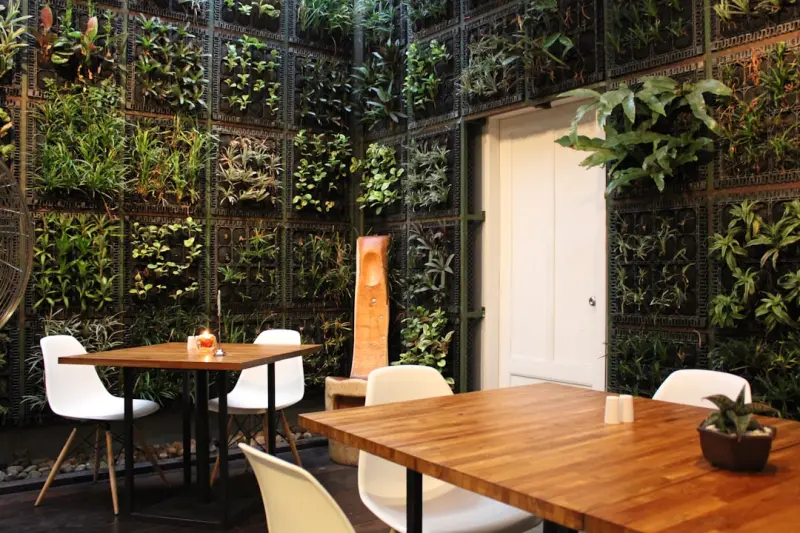
Nature‑Infused Dining: How Biophilic Design Is Transforming Restaurant Experiences
Discover how bringing natural elements into restaurant interiors enhances flavor perception, staff m... Read More
Top Posts

When the Plate Takes Center Stage: The Art of Culinary Theatre
Fine dining is stepping onto the stage, where chefs become performers and every course is a scene, turning meals into immersive theater....Read More
What Makes a Good Restaurant Good: A Symphony of Elements
In the world of dining out, a restaurant’s success hinges on more than just the food on the plate. While delectable cuisine is undoubtedly a cornerstone of a ...Read More

Becky Putman's Must‑Try Restaurants of 2024: A Flavor‑First Journey
Join Becky Putman as she uncovers 2024’s most exciting eateries, blending story, flavor, and soul in every bite....Read More
Theatrical Dining: How Performance Elevates Fine Dining
Fine dining is becoming a stage where chefs perform, guests interact, and every sense is choreographed—explore the rise of culinary theater and its future....Read More
0 Comments
Post Comment
You will need to Login or Register to comment on this post!