
Why Diners Crave Ingredient Transparency More Than Ever
In today’s information‑rich world, a diner’s appetite extends beyond flavor to the story behind each bite. From farm‑to‑fork enthusiasts to allergy‑aware families, guests increasingly demand clear answers about where their food originates, how it’s produced, and what hidden additives might lurk beneath a glossy plating. This shift is fueled by heightened media coverage of food scandals, a surge in health‑focused lifestyles, and a broader cultural push for authenticity in every purchase. Restaurants that hesitate to open their kitchens risk being perceived as secretive, potentially turning away the very clientele they need to thrive. Embracing openness not only builds trust but also differentiates a venue in a crowded market where novelty alone no longer guarantees repeat business.
The QR Code Revolution: Turning Menus into Interactive Portals
Enter the QR code—a simple, scannable square that has become the gateway to a restaurant’s digital menu and, more importantly, its transparency hub. By simply pointing a smartphone camera at the code, guests can instantly access a layered menu that details sourcing, farming practices, and nutritional information, all while maintaining the sleek aesthetic of a traditional paper card. This technology eliminates the need for bulky, printed pamphlets that quickly become outdated, allowing chefs to update ingredient origins in real time as seasonal shipments arrive. The result is a dynamic, always‑fresh experience that empowers diners to make informed choices without slowing down service. For many establishments, the QR code has become a silent ambassador for credibility, turning a routine scan into a moment of education and connection.
Mapping the Supply Chain: From Soil to Plate
Behind every QR‑enabled menu lies a sophisticated supply‑chain mapping system that tracks produce from the moment it leaves the farmer’s field until it lands on a plate. Restaurants partner with local growers, certified organic suppliers, and ethical fisheries, feeding this data into cloud‑based platforms that generate concise, consumer‑friendly summaries. When a guest scans a menu item, they might see that the heirloom tomatoes were cultivated in a regenerative greenhouse just 30 miles away, or that the seafood was harvested using pole‑and‑line methods that protect marine ecosystems. Such granular insight not only satisfies curiosity but also aligns the restaurant’s brand with broader sustainability narratives, reinforcing a commitment to responsible sourcing without the need for overt marketing slogans.
Addressing Health, Allergies, and Dietary Preferences
Beyond ethical considerations, QR codes serve a vital role in safeguarding health and accommodating diverse dietary needs. By embedding detailed allergen disclosures, calorie counts, and macro‑nutrient breakdowns directly into the digital menu, kitchens can reduce the risk of miscommunication that often leads to costly recalls or, worse, guest illness. For diners with gluten intolerance, vegan preferences, or specific macro goals, a quick scan offers a personalized filter that highlights suitable dishes, complete with substitution suggestions and portion adjustments. This level of detail transforms the dining experience from a gamble into a confident, tailored journey, reinforcing the restaurant’s reputation as a considerate and proactive host.
Data Insights: How Scans Shape Future Menus
Every QR scan generates anonymized data points that reveal which ingredients spark curiosity and which stories resonate most with patrons. Restaurants can analyze these metrics to fine‑tune their sourcing strategies, spotlight popular farm partners, or even retire under‑performing items that fail to engage diners. By interpreting this feedback loop, chefs craft menus that are not only seasonally appropriate but also culturally relevant to their audience. For a deeper dive into how local favorites become neighborhood staples, explore the insights shared in Neighborhood Treasures, which illustrates the power of community‑driven menu evolution.
Designing Digital Menus That Speak Your Brand’s Language
While the technology behind QR codes is straightforward, the visual and narrative design of the resulting digital menu demands careful consideration. Restaurants now enlist graphic designers to craft sleek, brand‑aligned interfaces that mirror the ambiance of the physical space, ensuring a seamless transition from table to screen. Thoughtful typography, high‑resolution imagery, and interactive elements such as short farmer videos or flavor‑pairing suggestions elevate the experience, turning a functional scan into a storytelling moment. This marriage of aesthetics and information mirrors the principles discussed in Tableware Design, where visual cues enhance perception of taste, proving that every touchpoint—plate or pixel—contributes to the overall culinary narrative.
Overcoming Implementation Hurdles: Cost, Training, and Guest Adoption
Transitioning to QR‑driven transparency isn’t without its challenges. Initial setup costs can include hardware upgrades, subscription fees for supply‑chain software, and design services to create a polished digital interface. Staff training is equally crucial; servers must learn to guide guests through the scanning process and answer follow‑up questions about ingredient origins. Moreover, not all patrons are immediately comfortable with technology, especially older diners who may prefer traditional paper menus. To bridge this gap, many establishments offer a dual‑option approach—maintaining a concise printed menu while encouraging QR usage through tabletop signage and friendly prompts, gradually cultivating a tech‑savvy culture without alienating any segment of the audience.
Looking Ahead: QR Codes as the Backbone of a Transparent Dining Future
The momentum behind QR‑enabled transparency shows no sign of waning; as consumer expectations continue to evolve, the digital menu will become a foundational element of any forward‑thinking restaurant. Future innovations may integrate augmented reality, allowing diners to visualize farms in 3D or watch a short clip of a chef’s hand‑crafting a dish, further deepening the connection between plate and provenance. For restaurateurs willing to invest in this transparent future, the payoff is twofold: heightened guest loyalty and a powerful differentiator in a market where honesty is the new luxury. Embrace the QR code revolution today, and let every scan be a conversation starter that turns casual diners into lifelong advocates.

When it comes to the world of blogging and writing, Rose DesRochers is a name that stands out. Her passion for creating quality content and connecting with her audience has made her a trusted voice in the industry. Aside from her skills as a writer and blogger, Rose is also known for her compassionate nature.
Related Posts

A Rose DesRochers Take on 2024’s Hottest Restaurant Movements
Rose DesRochers explores 2024’s restaurant renaissance, highlighting hyper‑local menus, tech‑i... Read More
What Makes a Good Restaurant Good: A Symphony of Elements
In the world of dining out, a restaurant’s success hinges on more than just the food on the plate.... Read More
Why Restaurant Staff Wellness Is the Secret Ingredient to Unforgettable Dining
When a kitchen feels like a supportive community, the food shines. I explore why investing in staff ... Read More
Top Posts
Best Restaurants That Turn Meals Into Stories
Explore the top eateries that weave storytelling into every course, turning each meal into a captivating narrative experience....Read More
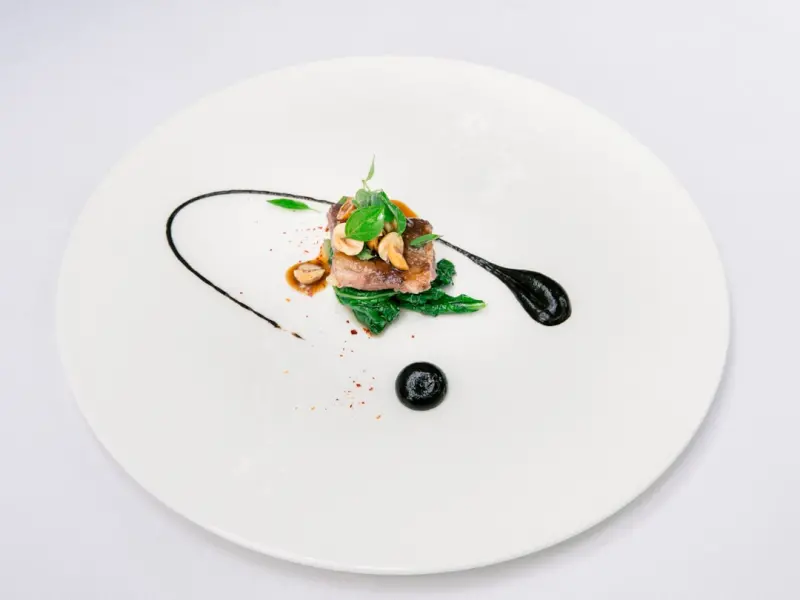
Wellness on a Plate: How Fine Dining is Embracing Health and Mindfulness
Fine dining is shifting toward health‑centric experiences, merging gourmet artistry with nutrition, mindfulness, and inclusive options to redefine luxury for ...Read More
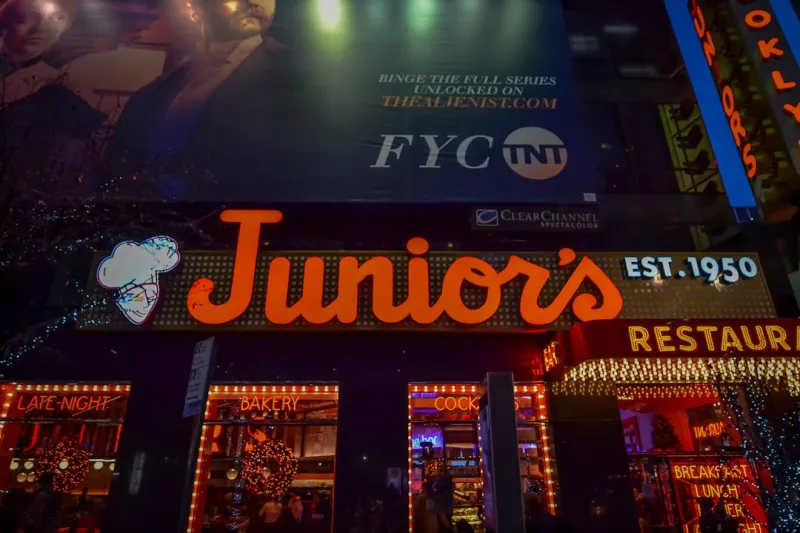
The Best Restaurants of 2026: A Flavor‑First Journey Through Story and Innovation
Explore 2026’s top eateries that blend narrative storytelling, cutting‑edge tech, and flavor‑first cuisine for a truly immersive dining adventure....Read More
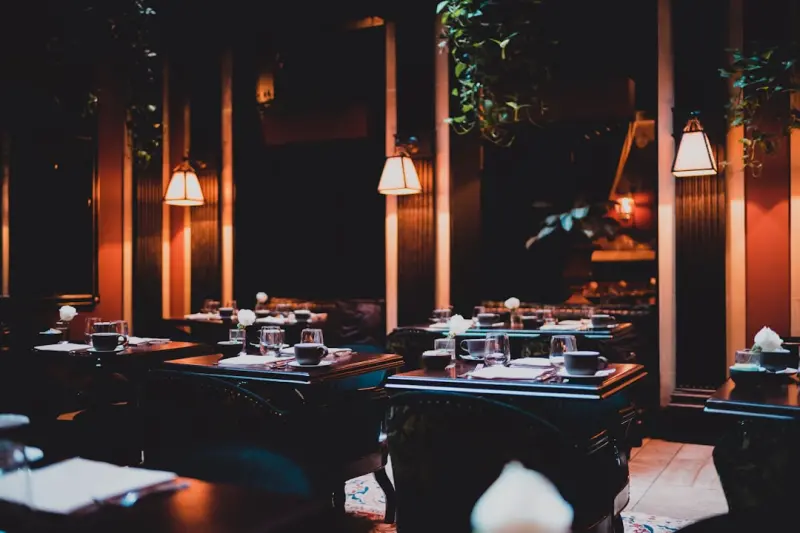
The Hidden Power of Restaurant Soundtracks: How Curated Audio Transforms Dining
Explore the impact of curated restaurant soundtracks on mood, flavor perception, and guest loyalty, with actionable insights for both chefs and diners....Read More
0 Comments
Post Comment
You will need to Login or Register to comment on this post!