
Unearthing the Past: Why Heritage Ingredients Matter
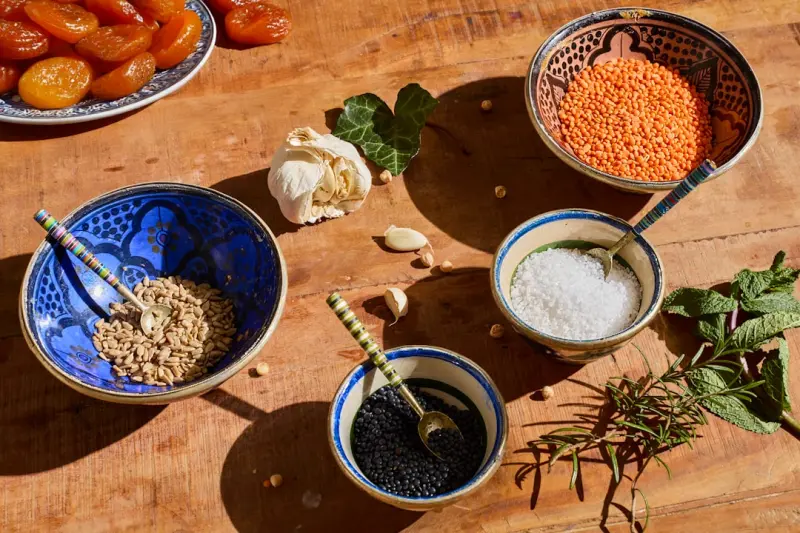
When I first stepped into a kitchen where a chef was dusting a centuries‑old grain onto a plate, I felt a reverence that modern fine‑dining rarely showcases. Heritage ingredients—those heirloom varieties, wild foraged herbs, and forgotten spices—bring a depth of flavor that industrial produce can’t replicate, inviting diners into a conversation with history itself. It’s a subtle rebellion against the homogenized palate, and it starts with the chef’s curiosity about the stories hidden in a seed.
The Forgotten Pantry: Rediscovering Regional Treasures
Every region hides a pantry of items that once defined local cuisine but have slipped into obscurity, from the black garlic of the Italian Alps to the peppercorns of the Pacific Northwest coast. By partnering with small farms and community elders, chefs are re‑introducing these gems, allowing the terroir to sing alongside contemporary techniques. The result is a menu that feels both timeless and innovative, a bridge between ancestral wisdom and avant‑garde presentation.
Sourcing Challenges: From Farm to Table
Bringing forgotten crops to a Michelin‑starred kitchen isn’t as simple as ordering from a wholesale distributor; it often means tracking down a lone farmer who cultivates a single heirloom variety on a modest plot. Logistics, seasonal fluctuations, and the need for sustainable practices add layers of complexity that demand patience and a genuine partnership. Yet, the payoff is palpable when a dish bursts with flavor that can’t be bought in a grocery aisle.
Chef Collaborations: Cross‑Cultural Dialogues
Chefs across continents are forming collaborations that act like culinary think‑tanks, sharing seed banks, fermentation techniques, and preservation methods that were once guarded family secrets. These exchanges spark a creative dialogue, prompting chefs to reinterpret a Moroccan argan oil drizzle on a Japanese‑style sashimi or to pair a Mexican huitlacoche foam with a classic French consommé. Such cross‑pollination enriches the fine‑dining landscape, making heritage ingredients the lingua franca of innovation.
Reimagining Classic Techniques with Old Flavors
Traditional cooking methods—sous‑vide, slow braising, open‑fire grilling—are being applied to heritage ingredients, revealing textures and aromas previously untapped. Imagine a slow‑cooked heritage pork shoulder infused with wild sage and finished with a crisp, charcoal‑kissed crust; the technique honors the past while delivering the precision diners expect today. This marriage of old and new demonstrates that the elegance of fine dining lies not only in presentation but in the thoughtful re‑interpretation of technique.
The Table’s Role: Design Meets Ingredient
Beyond the plate, the environment amplifies the story of these revived flavors. Subtle changes in lighting, tableware, and spatial layout can heighten the perception of a dish rooted in history. For example, a soft amber glow can evoke the warm hearths where many of these ingredients were first cooked, creating an immersive experience. As designers explore this synergy, they often reference lighting and design strategies that honor the narrative without overwhelming it.
Sensory Harmony: Pairing Heritage with Modern Palates
Pairing wine or craft cocktails with heritage‑driven dishes requires a delicate balance; the goal is to complement the unique flavor profiles without masking them. Sommelier‑led tastings now include ancient grape varieties and heritage spirits that echo the dish’s origins, creating a cohesive sensory journey. This holistic approach ensures that each sip reinforces the story told by the food, turning a simple pairing into a layered conversation.
The Future Plate: Scaling Authenticity
As diners clamor for authenticity, restaurants face the challenge of scaling heritage ingredients without compromising their integrity. Solutions are emerging, such as cooperative seed exchanges and community‑supported agriculture programs that guarantee a steady supply while preserving genetic diversity. By embedding these practices into their sourcing strategy, chefs can maintain the authenticity of their menus and contribute to the broader preservation of agricultural heritage.
Closing Thoughts: A Delicious Responsibility
Embracing forgotten flavors is more than a culinary trend; it’s a responsibility to the ecosystems, cultures, and histories that birthed them. When a chef chooses a heirloom bean over a mass‑produced counterpart, they’re making a statement about sustainability, diversity, and the power of taste to connect us across time. As the fine‑dining world continues to evolve, let’s celebrate the dishes that whisper the past while shouting the future.

Becky Putman is an Ottawa-based freelance writer and marketing professional with a passion for storytelling, animals, and community involvement. She enjoys creating engaging content that informs, inspires, and connects with readers.
Related Posts

How Personal Memory Shapes the Fine‑Dining Experience
Fine dining isn’t just about taste; it’s a journey through memory. Explore how chefs, wine, and ... Read More

A Fine Dining Journey: Rose DesRochers Uncovers the Soul Behind the Plate
Rose DesRochers shares her intimate perspective on fine dining, revealing the hidden rituals, servic... Read More
Fine Dining in 2024: Becky Putman's Flavor‑First Voyage Through Story, Innovation, and Taste
Join Becky Putman as she maps 2024’s finest dining spots, spotlighting flavor‑first storytelling... Read More
Top Posts

The Unspoken Dialogue: How Service Shapes Fine Dining
Explore the hidden language of service in fine dining, from maître d’ choreography to sommelier whispers, and learn how staff interactions turn meals into la...Read More

The Hidden Rise of Ghost Kitchens: How Invisible Restaurants Are Redefining Dining
Discover the silent surge of ghost kitchens, the tech behind data‑driven menus, and how diners can shape this invisible dining revolution....Read More
The Diplomatic Plate: How Fine Dining Bridges Cultures
Fine dining isn’t just about luxury; it’s a diplomatic tool that uses food, stories, and partnership to bridge cultures, boost tourism, and foster global un...Read More

Best Restaurants of 2024: Becky Putman's Insider Picks
Becky Putman reveals her 2024 top restaurant picks, blending flavor, story, and hidden gems for a mouth‑watering culinary adventure....Read More
0 Comments
Post Comment
You will need to Login or Register to comment on this post!