
Why Fermentation Is the Quiet Revolution on Your Plate
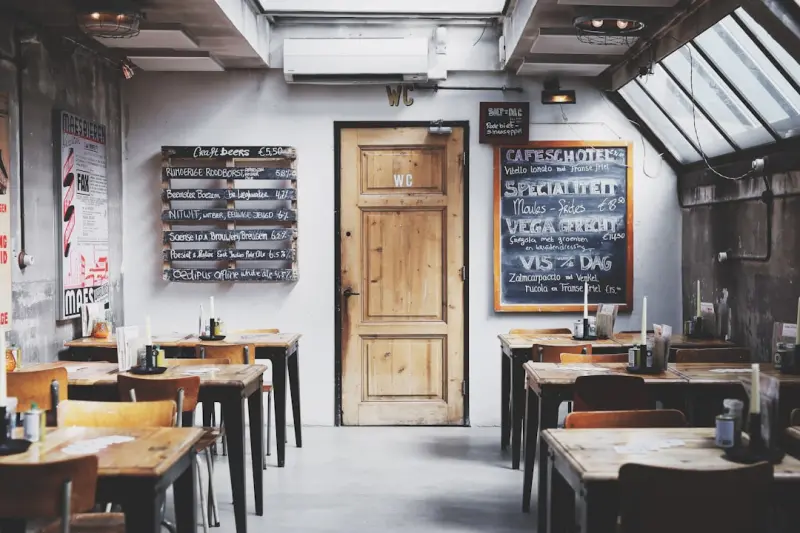
When I first walked into a dimly lit space scented with tangy brine and earthy umami, I realized I was witnessing a culinary movement that feels both ancient and astonishingly modern; fermentation, once the humble art of preserving, is now the centerpiece of a new wave of restaurants that celebrate time‑tuned flavors. These establishments aren’t just serving kimchi or sourdough; they’re curating experiences where microbes become collaborators, coaxing depth from vegetables, dairy, and even spirits in ways that surprise even seasoned diners. Fermentation‑focused eateries invite guests to slow down, to taste the invisible work of bacteria and yeast, and to appreciate that the most compelling flavors often emerge from patience rather than flash. This shift reflects a broader cultural yearning for authenticity, health, and sustainability, positioning fermented foods as the nexus where tradition meets trend.
From Barrel to Table: A Brief History of Fermented Foods
Humanity’s relationship with fermentation stretches back millennia, beginning with early societies who discovered that burying fish in saltwater or letting grain sprout produced edible, longer‑lasting provisions; these practices were less about cuisine and more about survival, yet they inadvertently laid the groundwork for some of today’s most celebrated dishes. Over centuries, cultures refined techniques—think of Japanese miso, Korean gochujang, and European sauerkraut—each harnessing specific microbial strains to craft unique taste signatures that became cultural cornerstones. In the last few decades, chefs have reclaimed these ancestral methods, not merely as nostalgic nods but as scientific experiments, partnering with microbiologists to map flavor pathways and create menus that read like living laboratories. The result is a resurgence of interest that has turned once‑overlooked pantry staples into headline‑grabbing menu items, proving that history can be deliciously disruptive.
The Rise of Fermentation‑Centric Restaurants
What started in underground kitchens has now spilled onto Main Street, with cities across the globe sprouting restaurants whose entire concept revolves around fermented products—from kombucha taprooms to miso‑infused tasting menus; these venues often double as educational spaces, offering workshops that demystify the bubbling jars behind the bar. Many owners describe their mission as “cultivating curiosity,” encouraging diners to question the origins of their food and to engage with the slow, intentional processes that shape flavor; this philosophy resonates with patrons seeking depth beyond the fleeting thrill of novelty. As a result, a restaurant’s success is no longer measured solely by its plating aesthetic but also by the vigor of its culture, the health of its starter cultures, and the stories it tells about the microbes that make the magic happen.
Signature Dishes That Redefine Expectations
At the forefront of this movement are dishes that turn fermentation into drama, such as a fermented cauliflower steak glazed with miso‑caramel, or a trio of pickled vegetables that span sweet, sour, and umami, each bite revealing layers cultivated over weeks; chefs often pair these plates with house‑crafted fermented sauces, turning a simple drizzle into a flavor revelation. One standout trend is the use of aged hot sauces that develop complexity akin to fine wine, allowing diners to explore heat that evolves from bright peppery notes to deep, smoky undertones over time. Moreover, desserts are not exempt—think fermented fruit sorbets that balance tartness with probiotic richness, delivering a palate‑cleansing finish that also supports gut health, proving that fermentation can sweeten as well as savory.
Health Benefits That Go Beyond the Taste
While the culinary excitement is undeniable, the health implications of regularly consuming fermented foods add a compelling layer of appeal; these dishes are rich in probiotics, which research suggests can improve digestion, bolster immunity, and even influence mood through the gut‑brain axis. Restaurants that spotlight fermentation often collaborate with nutritionists to design menus that not only tantalize taste buds but also nurture the microbiome, offering options like kefir‑based smoothies or tempeh‑crusted salads that deliver protein and beneficial bacteria in one harmonious bite. By presenting these benefits transparently—sometimes through chalkboard notes or QR codes that explain the science—eateries empower diners to make informed choices, turning a meal into a holistic wellness experience.
Sustainability: A Natural Ally of Fermentation
Fermentation inherently reduces waste, turning surplus produce into flavorful assets; a carrot top that might be discarded becomes a vibrant pickle, while overripe fruit transforms into tangy chutney, embodying the principles championed in Zero‑Waste Wonders. This circular approach aligns with growing consumer demand for environmentally responsible dining, allowing restaurants to extend the life of ingredients while minimizing landfill contributions. Additionally, the low‑energy nature of fermentation—requiring no cooking flame—cuts down on resource consumption, making it an eco‑friendly method that resonates with diners who value both taste and planetary stewardship. In practice, many chefs view each batch of brine as an opportunity to experiment with upcycled ingredients, turning sustainability into a creative catalyst rather than a constraint.
Chef Profiles: The Microbial Mavericks
Behind every fermented menu is a chef who treats microbes as collaborators, not just tools; these culinary innovators often hold backgrounds in food science, allowing them to manipulate temperature, salinity, and time with the precision of a lab technician while retaining the soul of a storyteller. One such pioneer, whose kitchen blends traditional Korean fermentation with modern plating, describes his process as “listening to the culture,” adjusting each jar based on subtle aroma shifts, much like a musician tuning an instrument. Another chef, featured in The Power of Storytelling, weaves the narrative of each microbe into his menu, inviting guests to taste the history embedded in a single spoonful of aged soy sauce, thereby turning each bite into a conversation with the past.
Finding Fermentation Gems in Your City
Locating these hidden culinary treasures is easier than you might think; many cities host fermentation festivals where pop‑up stalls showcase everything from kimchi tacos to kombucha cocktails, offering a low‑commitment way to sample the scene. Online platforms now feature dedicated directories, and savvy diners can follow social media hashtags like #FermentYourWay to discover new openings and seasonal pop‑ups. For those who crave a deeper dive, some restaurants host “fermentation nights” where patrons can join the kitchen crew in creating their own starter cultures, turning a dinner outing into a hands‑on workshop. By engaging with these communities, diners not only expand their palates but also support chefs who are pushing the boundaries of flavor, sustainability, and health.
The Future: Fermentation as the New Frontier of Flavor Innovation
Looking ahead, the trajectory of fermentation in the restaurant world points toward even greater integration with technology, as chefs experiment with controlled‑environment chambers that allow precise temperature and humidity regulation, unlocking flavor profiles previously unattainable; this marriage of tradition and tech could usher in a new era where each microbe is meticulously curated for optimal taste. Moreover, as consumer curiosity deepens, we can expect a surge in hybrid concepts—think fermented cocktails paired with molecular gastronomy, or plant‑based dishes that rely on fermentation to mimic meat textures—further blurring the lines between categories. Ultimately, the quiet rise of fermentation‑focused restaurants signals a broader culinary shift toward patience, mindfulness, and a reverence for the unseen forces that shape what we eat, promising diners a future where every bite tells a story written by the smallest of artisans.

When it comes to the world of blogging and writing, Rose DesRochers is a name that stands out. Her passion for creating quality content and connecting with her audience has made her a trusted voice in the industry. Aside from her skills as a writer and blogger, Rose is also known for her compassionate nature.
Related Posts
How Restaurants Use Social Media Storytelling to Win Diners Before They Walk In
Restaurants now craft compelling stories on social media, turning digital glimpses into real‑world... Read More

The Hidden Power of Restaurant Loyalty Apps: How Data‑Driven Perks Shape Our Dining Choices
Discover the unseen mechanics behind loyalty apps, from data analytics to community rewards, and see... Read More
Flavor‑First Adventures: 2026 Restaurant Roadmap
A personal, flavor‑first tour of 2026’s hottest restaurants, revealing storytelling dishes, sens... Read More
Top Posts
Beyond the Plate: How Tableware Shapes the Fine‑Dining Experience
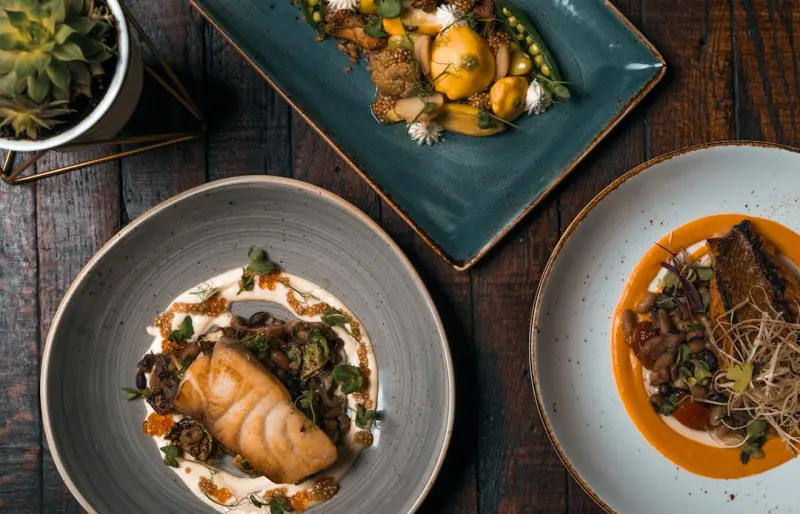
From porcelain to hand‑blown glass, the art of tableware transforms fine dining, adding narrative depth and sensory intrigue that turn meals into immersive ex...Read More

Decoding the Menu: How Wordcraft Turns a Meal into a Story
Ever wondered why some menus feel like poetry? Discover the art of menu wordcraft and how it transforms ordinary dishes into memorable stories that keep diners ...Read More
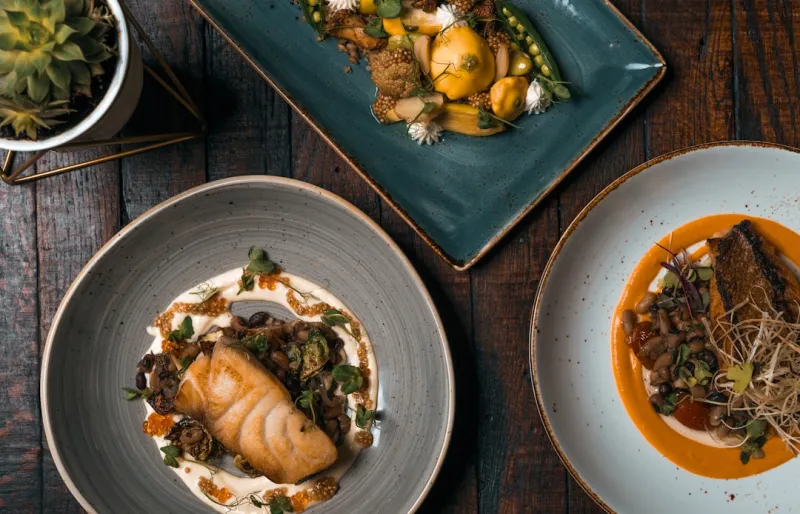
When Fine Dining Becomes a Storytelling Feast
Fine dining now weaves flavor, sight, and sound into stories. Discover the rise of narrative meals, sensory tricks, and tips to fully engage with today’s stor...Read More
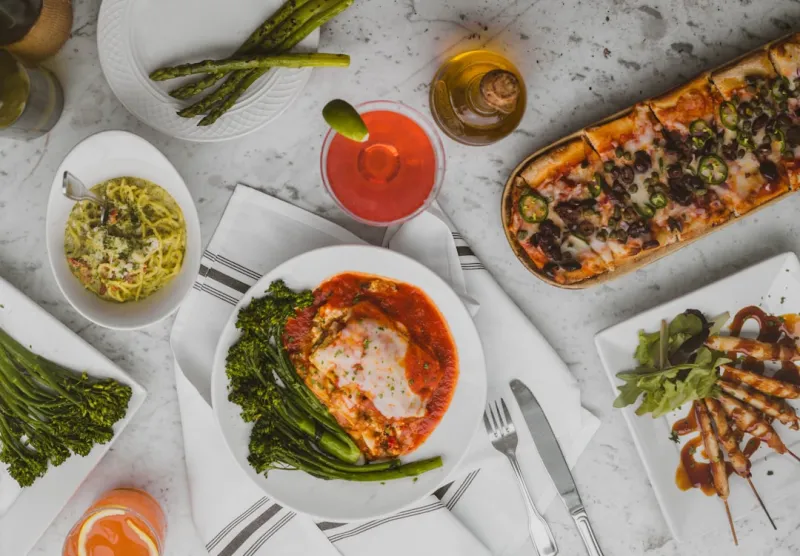
Best Restaurants That Turn Meals Into Stories
Discover restaurants that turn meals into narratives, offering unforgettable flavors, atmosphere, and stories on every plate....Read More
0 Comments
Post Comment
You will need to Login or Register to comment on this post!