
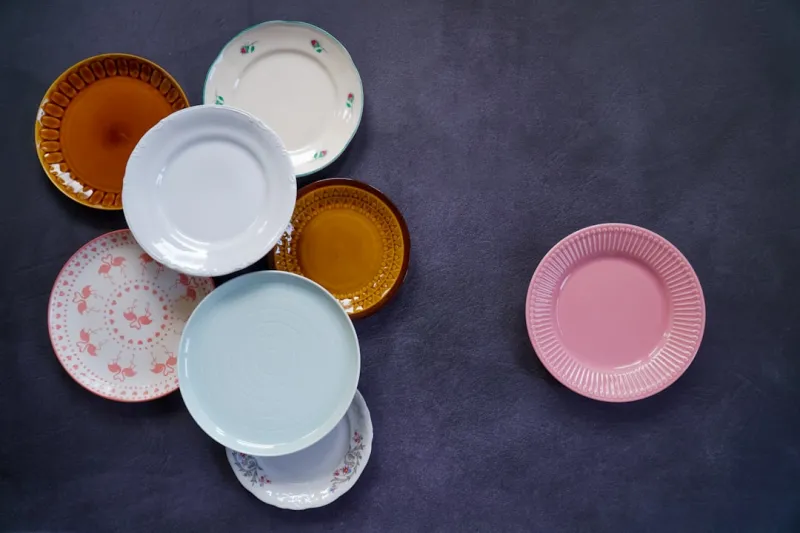
From Plate to Prose: My Fine‑Dining Awakening
When I first stepped into a dimly lit tasting room, the clink of crystal and the hush of anticipation felt less like a meal and more like the opening line of a novel, each course a chapter that promised revelation, and I found myself scrolling through menus not for ingredients but for the stories they whispered about heritage, geography, and imagination, a realization that reshaped my relationship with gastronomy forever, as I began to see dining as a narrative journey rather than a mere transaction, and that shift has guided every reservation I make ever since. The experience taught me that a chef’s mise en place can be a plot device, that plating can be prose, and that the subtle interplay of aroma, texture, and visual drama is the author’s voice speaking directly to the senses, inviting diners to become characters in a culinary story that lingers long after the final bite.
The Rise of Narrative on the Plate
Over the past few years, an unmistakable trend has emerged where restaurants are no longer content to serve food; they are crafting immersive storyscapes, and this evolution is documented in pieces like The Art of Storytelling on the Fine‑Dining Plate, which explores how chefs weave personal histories into each garnish, turning sauces into subplots and plating choices into plot twists that compel patrons to taste with curiosity and empathy; the result is a dining experience that feels as curated as a museum exhibit yet as intimate as a diary entry, encouraging guests to engage intellectually while savoring flavors. This narrative thrust is not limited to avant‑garde kitchens; even classic establishments are adopting story‑centric menus, allowing the familiar to be reframed through fresh lenses, and as the industry embraces this shift, diners find themselves part of a collective conversation about culture, sustainability, and the human desire for meaning.
A Flavor‑First Voyage Through My City
My personal journey through the city’s most talked‑about restaurants has become a series of culinary case studies, each venue offering a distinct voice that reflects the chef’s upbringing, the locality’s terroir, and the zeitgeist of contemporary dining, a perspective I share in My Flavor‑First Voyage Through the City’s Most Talked‑About Restaurants, where I chronicle how a single dish can encapsulate a migrant’s childhood memory or a farmer’s dedication to regenerative agriculture, turning a plate into a bridge between worlds; this approach has taught me to listen for the subtext in every garnish, to ask why a particular herb was chosen, and to appreciate the intentionality behind each culinary decision. By treating each reservation as a field research assignment, I have learned to decode the silent language of texture, temperature, and timing, recognizing that the most memorable meals are those that tell a story we can see, taste, and feel simultaneously.
When a Plate Tells a Story: Inside the Hottest Restaurants
At a recent reservation in a downtown flagship, the maître d’ greeted us with a brief history of the building—a former textile mill repurposed into a kitchen—setting the stage for a menu that traced the evolution of local industry from cotton to cuisine, each course mirroring a chapter in that transformation, from a smoky broth reminiscent of factory fumes to a delicate sorbet that symbolized the city’s shift toward sustainable practices; the chef’s narration during service added a theatrical layer, turning the dining room into a stage where diners became both audience and protagonists, a concept explored in When a Plate Tells a Story: Inside the Hottest Restaurants. This seamless integration of environment, narrative, and flavor illustrates how storytelling can elevate a meal from a fleeting pleasure to a lasting memory, inviting guests to reflect on the broader cultural currents that shape their food.
Designing Menus as Storyboards
One of the most compelling aspects of modern fine dining is the intentional design of menus that function like storyboards, where each dish is plotted along an emotional arc that guides the diner from curiosity through tension to resolution, a technique chefs borrow from filmmakers and playwrights to create a cohesive experience; the menu layout itself often includes brief anecdotes, historical footnotes, or poetic descriptors that act as prologues, inviting the reader to imagine the journey before the first bite arrives. This narrative framing encourages diners to engage with each course intellectually, asking questions like “What memory does this flavor evoke?” or “How does the texture echo the story being told?” and it transforms the act of ordering into a collaborative act of co‑authoring, where the guest’s expectations and the chef’s vision intersect to produce a shared narrative outcome.
Immersive Sensory Storytelling
Beyond words and plates, the most unforgettable fine‑dining stories engage all five senses, turning lighting, sound, and even temperature into narrative tools that deepen immersion; a dimly lit space with soft jazz may evoke a nostalgic era, while a sudden burst of citrus vapor can signal a plot twist, each sensory cue carefully calibrated to complement the flavors on the plate and to guide the diner’s emotional response. Chefs increasingly collaborate with lighting designers, composers, and scent curators to orchestrate an environment where the palate is only one voice among many, creating a multisensory symphony that reinforces the story’s theme, whether it’s a homage to the sea, a tribute to a lost hometown, or a commentary on climate change, and this holistic approach ensures that the narrative lingers long after the last course is cleared.
Challenges of Story‑Driven Dining
While the marriage of narrative and cuisine offers profound rewards, it also presents practical challenges that kitchens must navigate, such as balancing artistic ambition with operational efficiency, ensuring that the story does not eclipse the quality of the food, and training staff to convey the narrative convincingly without feeling forced, a tension addressed in discussions like When Fine Dining Becomes a Storytelling Feast; chefs must also consider diverse guest expectations, as some diners prefer straightforward flavors over elaborate concepts, requiring a delicate calibration of storytelling intensity. Moreover, the cost of producing intricate experiences can limit accessibility, prompting restaurateurs to innovate with scalable storytelling techniques that retain authenticity while reaching broader audiences, ensuring that the art of narrative dining evolves responsibly.
The Future: Storytelling as a Core Identity
Looking ahead, I anticipate that storytelling will become a core identity marker for fine‑dining establishments, with brands developing distinct narrative personas that differentiate them in a crowded market, much like authors develop a literary voice; this evolution may see chefs collaborating more closely with writers, historians, and visual artists to craft immersive worlds that extend beyond the restaurant walls through digital media, pop‑up experiences, and community events, turning each visit into a chapter of an ongoing saga. As diners increasingly seek meaning and connection in their consumption choices, the ability to offer a compelling story will be as valuable as the skill to execute flawless technique, and restaurants that master this duality will not only survive but thrive, shaping the cultural landscape of gastronomy for years to come.
Conclusion: Your Invitation to Join the Narrative
In my own practice, I now approach every reservation as an invitation to step onto a stage, to listen for the whispers of history in a broth, to feel the tension of contrast in a bite, and to become a co‑author of a story that will be retold in memory and conversation, a mindset that has transformed my appreciation for the culinary arts and deepened my respect for the creators behind each plate; I encourage fellow food lovers to seek out restaurants that prioritize narrative, to ask chefs about the inspiration behind their dishes, and to share your own reflections, because the most powerful stories are those that are lived, spoken, and passed on. So the next time you find yourself at a table set with intention, remember that you hold a pen in your fork, ready to write the next unforgettable chapter of your gastronomic journey.

Becky Putman is an Ottawa-based freelance writer and marketing professional with a passion for storytelling, animals, and community involvement. She enjoys creating engaging content that informs, inspires, and connects with readers.
Related Posts

Redefining Service: The Subtle Art of Intuitive Fine Dining
Discover the quiet revolution in fine‑dining service, where intuitive pacing, personalized hospita... Read More
The Art of Fine Dining: Rose DesRochers’ Personal Journey Through Flavor and Story
Rose DesRochers explores fine dining as a narrative, blending cuisine, service, and atmosphere while... Read More
When Fine Dining Becomes a Narrative Journey
Discover how fine dining evolves into a storytelling adventure, where menus, wine pairings, and serv... Read More
Top Posts
Hidden Gems: Restaurants That Redefine Accessibility and Inclusive Dining
Explore restaurants that break barriers with thoughtful design, adaptable menus, and attentive staff, ensuring every guest—from wheelchair users to those with...Read More
When Loyalty Becomes Luxury: How Restaurants Turn Rewards into Experiences
Explore the shift from traditional points systems to immersive, experience‑driven loyalty programs that turn diners into brand storytellers and community amba...Read More

A Passport on a Plate: How Destination‑Inspired Restaurants Turn Meals Into Global Adventures
Explore the rise of destination‑inspired dining, where chefs act as cultural curators, sourcing authentic ingredients and crafting immersive atmospheres that ...Read More
The Pursuit of Gastronomic Excellence: A Journey Through the World's Best Restaurants
Explore the world's best restaurants, from Noma to El Celler de Can Roca, and discover what makes them truly exceptional. A culinary journey of discovery awaits...Read More
0 Comments
Post Comment
You will need to Login or Register to comment on this post!