

Why Restaurants Are Turning Meals Into Stories
When I first stepped into a dimly lit bistro that whispered its history through reclaimed wood and handwritten menus, I realized that dining has evolved beyond mere sustenance; it has become a theatrical experience that engages every sense, and I’ve been chasing that magic ever since. The chef’s mise‑en‑place now reads like a script, each garnish a character, each sauce a plot twist, and the plating a stage where flavors perform a synchronized ballet that leaves diners both satiated and moved. In this new era of culinary storytelling, the line between food and narrative blurs, turning every bite into a chapter that readers‑turned‑diners can’t help but revisit.
What makes this shift so compelling is the intentionality behind each element on the plate; kitchens are no longer just producing dishes, they’re curating immersive journeys that echo personal memories, cultural myths, and even futuristic fantasies. The subtle smoke that drifts from a wooden board, the unexpected crunch of edible flowers, and the lingering aroma of distant spice markets all serve as sensory cues that guide diners through a story arc, from anticipation to climax and finally a satisfying denouement. It’s a flavor‑first philosophy that respects the diner’s intellect as much as their palate, inviting us to participate actively rather than passively consume.
My Flavor‑First Quest Through the City’s Hottest Tables
Armed with an insatiable curiosity and a notebook for scribbling tasting notes, I set out on a flavor‑first quest that led me from rooftop sushi bars to subterranean speakeasies, each venue promising a narrative as bold as its menu. At a reclaimed‑warehouse eatery, the chef presented a deconstructed ramen that unfolded like a novel: broth simmered for twenty‑four hours, noodles hand‑rolled on the spot, and a broth‑infused foam that evaporated into an aromatic whisper, urging me to close my eyes and imagine rain on a Tokyo street. The experience reminded me that the best restaurants don’t just serve food; they choreograph moments that linger long after the plates are cleared.
One evening, I dined at a venue that proudly advertises its storytelling ethos, and I was instantly drawn to a feature article titled The Best Restaurants That Turn Dining Into a Storytelling Experience, which highlighted exactly the kind of immersive meals I crave. Their tasting menu began with an edible “prologue” of smoked beetroot dust, followed by a “conflict” of fiery miso‑glazed octopus that challenged my spice tolerance, and concluded with a “resolution” of honey‑lavender panna cotta that soothed the palate like a comforting epilogue. Each course was paired with a curated playlist, turning the dining room into a soundstage where the music swelled and receded in perfect harmony with the flavors, reinforcing the notion that storytelling in food is a multisensory dialogue.
The next stop on my journey was a farm‑to‑table haven where the chef’s narrative began long before the food reached my table; it started in the soil, continued through the farmer’s hands, and culminated on the plate as a celebration of seasonality. A single spoonful of heirloom carrot purée, bright orange and sweet, was accompanied by a drizzle of rosemary‑infused oil that whispered of sun‑kissed fields, while a side of fermented beet chips added a tangy counterpoint reminiscent of a plot twist. This meticulous attention to provenance turned each bite into a living story of the land, reminding me that the most powerful narratives often emerge from simplicity and authenticity.
How to Keep the Narrative Alive After the Meal
While the restaurant experience is unforgettable, the true test of a story’s impact lies in how it reverberates in our everyday lives, especially when we attempt to recreate those magical moments at home. I began experimenting with plating techniques that mimic the visual drama of fine‑dining, using negative space and contrasting textures to guide the eye, and I found that even a humble weeknight pasta can feel like an act in a larger performance when presented thoughtfully. By treating the kitchen counter as a stage and the ingredients as actors, I discovered that the narrative can continue to evolve long after the restaurant lights dim.
To deepen my appreciation for narrative dining, I revisited an insightful piece titled When Fine Dining Becomes a Storytelling Feast, which dissected how chefs weave personal histories into their menus, turning each plate into a memoir. Inspired, I started pairing my home‑cooked dishes with stories from my own travel journals—sharing anecdotes of a bustling night market in Bangkok while serving a lemongrass‑infused fish broth, or recalling a sunrise over the Tuscan hills as I plated a simple bruschetta topped with heirloom tomatoes. This practice not only enriches the dining experience for my guests but also reinforces the idea that food is an ever‑expanding narrative canvas.
Finally, I realized that the most lasting stories are those we share, and social media has become a modern campfire where culinary tales are exchanged. By posting vivid photos, detailed descriptions, and the emotions each dish evoked, I invite friends and followers to become co‑authors of the experience, sparking conversations that extend the restaurant’s narrative far beyond its walls. The synergy between visual storytelling and palate‑pleasing flavors creates a feedback loop that fuels both the creator’s imagination and the audience’s desire to explore new culinary chapters. In this way, the art of storytelling on the plate transcends the moment, turning every meal into a living, breathing saga.

Becky Putman is an Ottawa-based freelance writer and marketing professional with a passion for storytelling, animals, and community involvement. She enjoys creating engaging content that informs, inspires, and connects with readers.
Related Posts
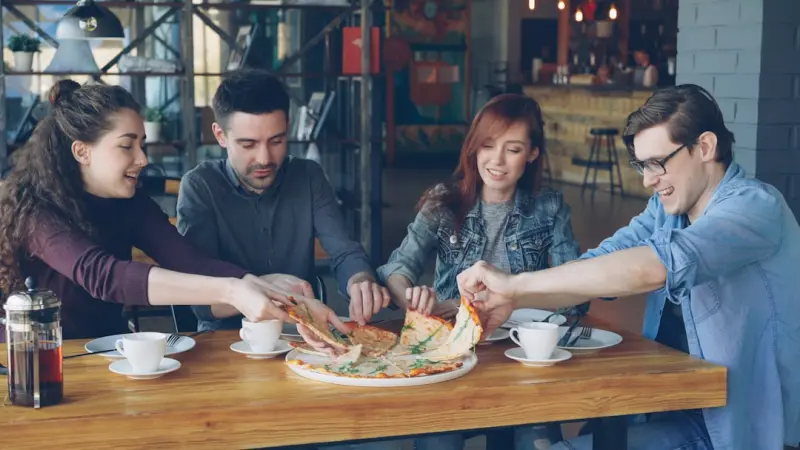
Budget‑Friendly Eats: Top Restaurants Worth the Trip
I’m on a mission to prove great food doesn’t need a premium price tag—join me as I uncover aff... Read More

A Food Lover’s Guide to Restaurants That Turn Meals Into Stories
Dive into a guide that reveals restaurants turning meals into compelling stories, offering flavors, ... Read More

A Sip of Excellence: How Curated Drink Programs Redefine the Best Restaurants
Explore how thoughtfully crafted beverage programs—from seasonal cocktails to local spirit showcas... Read More
Top Posts
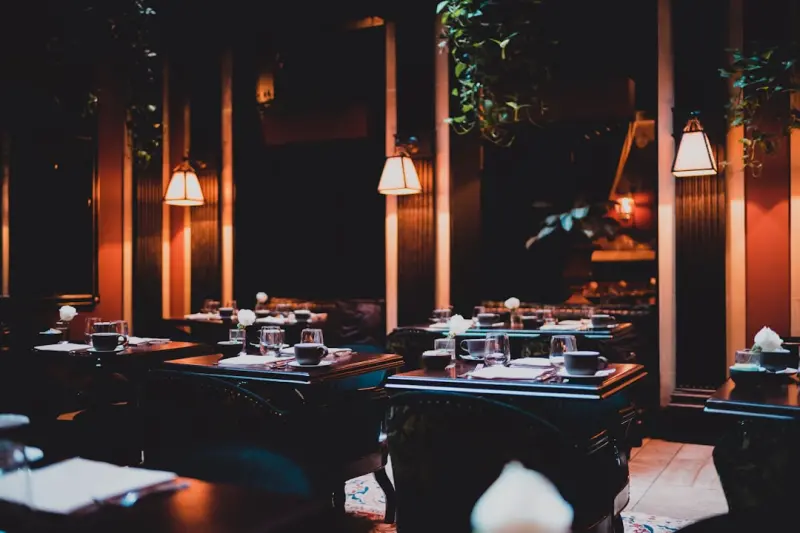
The Hidden Power of Restaurant Soundtracks: How Curated Audio Transforms Dining
Explore the impact of curated restaurant soundtracks on mood, flavor perception, and guest loyalty, with actionable insights for both chefs and diners....Read More

Reviving Heritage Tableware: How Handcrafted Ceramics, Cutlery, and Glass Elevate Modern Fine Dining
Discover how the resurgence of heritage tableware—from artisan ceramics to bespoke glassware—adds a tactile narrative, elevates flavor, and champions sustai...Read More
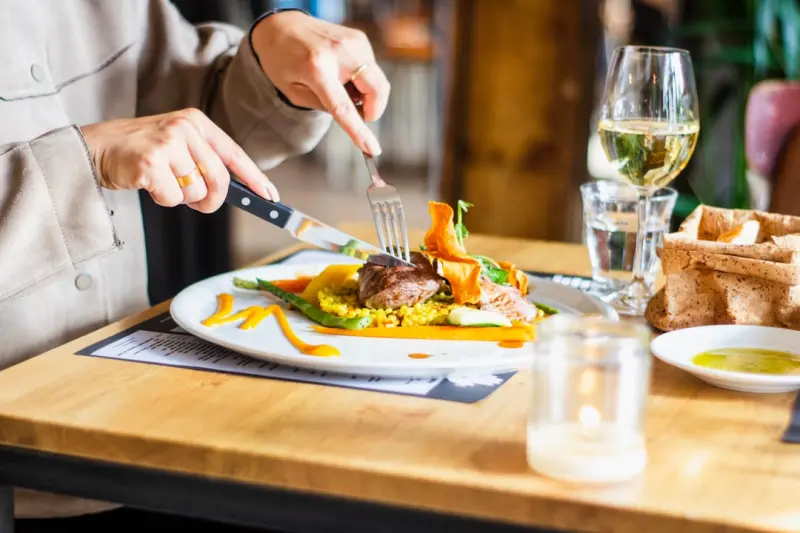
Crafting the Future of Fine Dining: Data, Transparency, and Sensory Storytelling
Discover the next wave of restaurant innovation where AI‑driven menus, transparent sourcing, and immersive sensory environments redefine the dining experience...Read More
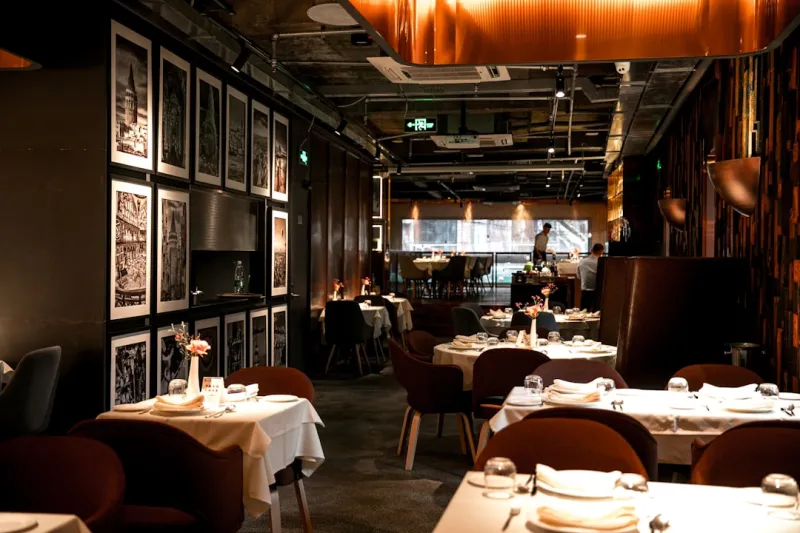
The Hidden Narrative: How Today’s Restaurants Turn Meals into Stories
Discover why today’s eateries are more than places to eat—they’re stages where each plate tells a story, blending flavor, technology, and community into u...Read More
0 Comments
Post Comment
You will need to Login or Register to comment on this post!