
Introduction
Stepping into a fine‑dining room today feels less like a simple meal and more like crossing the threshold into a meticulously crafted narrative, where each course is a chapter, each garnish a footnote, and the sommelier a seasoned storyteller. I have spent countless evenings tracing the subtle arcs that chefs now embed in their menus, observing how a single plate can conjure memories of distant coastlines, childhood kitchens, or even ancient myths, all while coaxing the palate to dance in synchrony with the story being whispered. This shift from pure gastronomy to immersive storytelling is not a fleeting trend but a profound evolution that invites diners to become active participants, turning ordinary evenings into unforgettable voyages of taste, texture, and emotion. In this piece, I will unpack the layers of this movement, explore how chefs curate these edible narratives, and offer insights on how you can seek out the establishments that masterfully blend cuisine with tale.
The Narrative Evolution of Fine Dining
What once defined fine dining was precision, rarity, and flawless service; today, the definition expands to include intentional storytelling that guides the guest through a sensory odyssey. Chefs now treat the plate as a canvas and the menu as a script, weaving together seasonal ingredients, cultural references, and personal anecdotes to construct a cohesive story that unfolds bite by bite. This approach demands a heightened level of collaboration among the kitchen brigade, front‑of‑house staff, and even the designers of the dining space, ensuring that lighting, music, and tableware all echo the same thematic motif. The result is an experience where the diner feels like a character in a novel, eagerly turning pages as the courses progress, each one revealing a new twist or revelation that deepens the overall plot.
For those eager to dive deeper into this paradigm, my earlier exploration When Fine Dining Becomes a Narrative Journey outlines how storytelling has moved from a decorative garnish to the very backbone of contemporary haute cuisine. In that article, I highlighted how the Michelin‑starred kitchens of Europe and beyond are embracing narrative arcs that mirror literary structures—exposition, rising action, climax, and resolution—ensuring that every plate not only satisfies the palate but also resonates on an emotional level. By aligning culinary technique with narrative pacing, these establishments transform a simple dinner into a memorable saga that diners recount long after the last dessert has vanished.
Curating the Story: How Chefs Craft Their Edible Tales
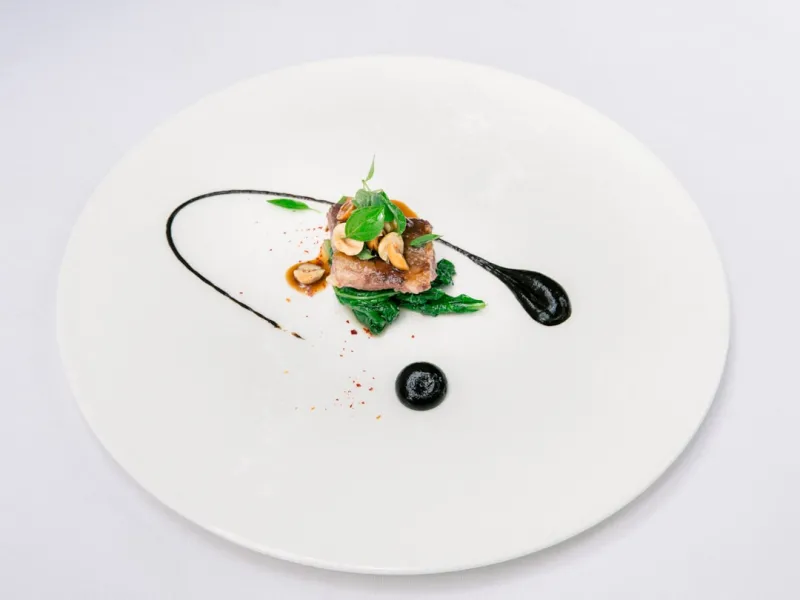
At the heart of this movement lies the chef’s ability to translate abstract ideas into tangible flavors, a skill that requires both artistic vision and scientific rigor. Many chefs begin their creative process with a thematic seed—perhaps a childhood memory of a coastal market, a tribute to a beloved literary work, or a commentary on climate change—and then source ingredients that embody that concept, often favoring hyper‑local, sustainable produce that carries its own backstory. The plating, too, becomes a visual metaphor; a swirl of beet purée may represent a sunrise, while a delicate foam can suggest the fleeting nature of a whispered secret. The culmination of these choices is a menu that reads like a novella, each dish a paragraph that builds upon the last, inviting diners to decode symbolism while savoring flavor.
In practice, this meticulous curation can be seen in restaurants that publish “story menus,” where each entry is accompanied by a brief narrative explaining its inspiration and the journey of its ingredients from farm to table. Such transparency not only deepens appreciation but also empowers diners to engage with the dish on an intellectual level, fostering a dialogue between the chef’s intent and the guest’s perception. For a curated list of establishments that excel at this approach, see my guide The Ultimate Foodie’s Guide to the Best Restaurants That Tell a Story, where I detail the unique storytelling techniques employed by each venue and how they harmonize with their culinary philosophies.
Beyond the Plate: The Role of Atmosphere and Service
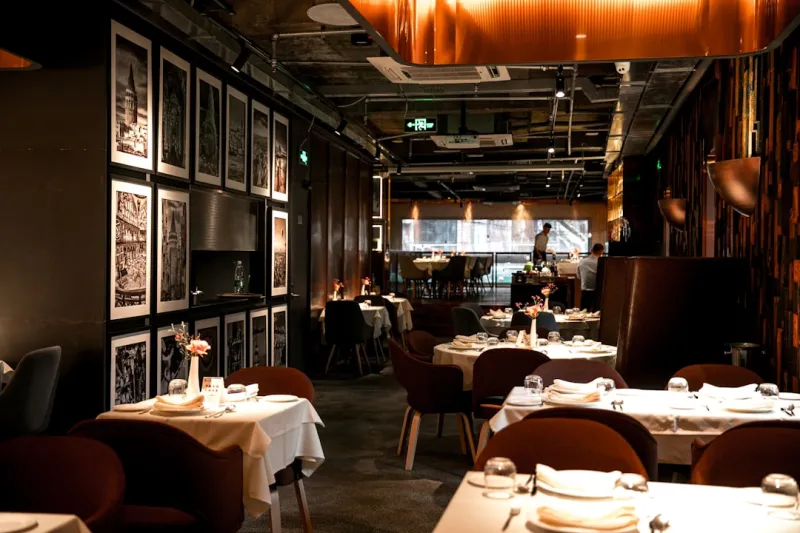
The story does not end when the plate arrives; the surrounding ambiance, the cadence of service, and even the rhythm of the dining room’s lighting work in concert to reinforce the narrative thread. A dimly lit space with soft, resonant music can evoke intimacy and suspense, while an open kitchen concept offers a theatrical backdrop that mirrors the unfolding drama on the table. Servers, trained as narrative guides, often share anecdotes about the dish’s origins, the farmer who grew the heirloom tomatoes, or the cultural symbolism behind a particular spice blend, turning each interaction into a moment of revelation. This holistic approach ensures that every sensory input—sight, sound, touch, and taste—converges to support the overarching story, creating a cohesive experience that feels both immersive and intentional.
Restaurants that have fully embraced this philosophy often collaborate with artists, musicians, and writers to design multi‑sensory installations that evolve throughout the evening. For instance, a tasting menu inspired by a classic novel might feature a live violinist whose melodies shift in tempo to match the intensity of each course, while projected visuals subtly echo the narrative’s setting. Such interdisciplinary partnerships elevate the dining experience from a solitary act of consumption to a communal, theatrical event, where the boundaries between food, art, and literature blur into a singular, unforgettable moment.
The Future of Story‑Driven Fine Dining
Looking ahead, the convergence of technology and storytelling promises to further expand the horizons of fine dining, introducing augmented reality (AR) menus, interactive table projections, and AI‑generated flavor pairings that adapt in real time to a diner’s reactions. Imagine a dessert that, when viewed through a smartphone, reveals a hidden animation illustrating the journey of the cacao bean from rainforest to plate, or a wine pairing that adjusts its recommendations based on the guest’s facial expressions and palate feedback. While these innovations are still in their infancy, early adopters are already experimenting with immersive storytelling tools that deepen engagement and personalize the narrative for each patron.
Nevertheless, the core of this evolution remains rooted in authenticity and human connection; technology serves as an enhancer, not a replacement, for the chef’s vision and the server’s storytelling craft. As diners continue to seek experiences that feed both body and soul, we can expect an ever‑growing roster of restaurants that prioritize narrative depth, cultural relevance, and emotional resonance. By staying attuned to these emerging trends and supporting establishments that honor the art of story on a plate, we ensure that fine dining will remain a vibrant, evolving tapestry where every bite truly feels like a chapter in a larger, delicious saga.
Conclusion: Your Role in the Narrative Journey
Ultimately, the power to sustain this storytelling renaissance lies in the hands of curious, engaged diners who value the narrative as much as the flavor. By choosing venues that champion thoughtful menus, asking servers about ingredient origins, and sharing your own interpretations of the dishes, you become an active co‑author of the culinary story. Each reservation you make, each review you write, and each conversation you spark contributes to a vibrant ecosystem where chefs are encouraged to push creative boundaries and diners are rewarded with unforgettable experiences. So the next time you step into a fine‑dining setting, listen closely, observe keenly, and allow yourself to be swept away by the tale that unfolds before you—one exquisite bite at a time.

When it comes to the world of blogging and writing, Rose DesRochers is a name that stands out. Her passion for creating quality content and connecting with her audience has made her a trusted voice in the industry. Aside from her skills as a writer and blogger, Rose is also known for her compassionate nature.
Related Posts
Fine Dining in 2024: Rose DesRochers’ Vision for Flavor, Story, and Innovation
Rose DesRochers shares her 2024 fine‑dining vision, highlighting narrative plates, immersive desig... Read More
When a Fine‑Dining Plate Becomes a Storytelling Journey
Fine dining today isn’t just about taste; it’s an immersive narrative where chefs, ambience, and... Read More

The Unseen Symphony: How Timing, Light, and Story Elevate Fine Dining
Explore the art of timing, lighting, and narrative in fine dining, revealing how chefs craft unforge... Read More
Top Posts
How Restaurants Turn Dinner Into a Story Worth Telling
Explore the art of narrative dining, where menus read like chapters, staff act as storytellers, and each bite becomes a memorable part of a larger culinary stor...Read More

When the Plate Takes Center Stage: The Art of Culinary Theatre
Fine dining is stepping onto the stage, where chefs become performers and every course is a scene, turning meals into immersive theater....Read More
The Hidden Narrative: How Today’s Restaurants Turn Meals into Stories
Discover why today’s eateries are more than places to eat—they’re stages where each plate tells a story, blending flavor, technology, and community into u...Read More
The Secret Systems That Make a Restaurant Truly Great
Explore how invisible engines, people power, and continuous feedback shape the restaurants that consistently deliver unforgettable dining experiences....Read More
0 Comments
Post Comment
You will need to Login or Register to comment on this post!