
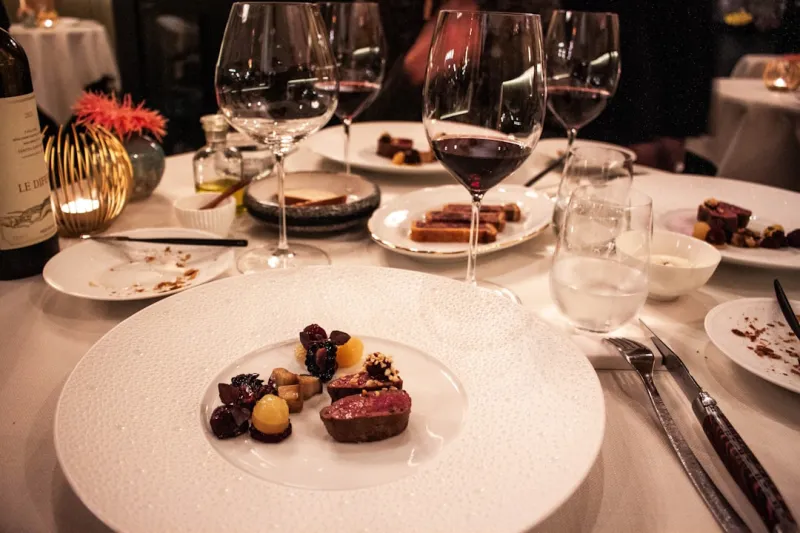
Why Fine Dining Feels Like a New Chapter in 2026
After years of lockdown, travel bans, and the relentless push toward hyper‑convenience, fine dining has shed its old skin and emerged with a daring sense of purpose that feels like a fresh chapter in culinary storytelling; I find myself constantly amazed at how chefs now treat the plate as a canvas for personal narrative, cultural memory, and bold experimentation, weaving together flavors that echo distant childhood kitchens and future‑forward techniques. The atmosphere in upscale rooms no longer screams exclusivity but whispers invitation, as designers blend reclaimed wood, soft amber lighting, and acoustic panels that turn a simple dinner into a multi‑sensory pilgrimage. In this brave new world, the flavor‑first mindset is the compass guiding every decision, from the sourcing of heirloom vegetables to the way a server explains the provenance of a single grain of sea salt, and I’m thrilled to be part of the conversation that reshapes what “luxury” truly means.
My 2024 Flavor‑First Voyage Shapes Today’s Expectations
Looking back at my 2024 flavor‑first voyage, the patterns that emerged then have become the baseline for 2026, where diners no longer settle for a fleeting taste but demand a narrative arc that runs from amuse‑bouche to dessert, each course a chapter that builds anticipation and emotional resonance. That year, I learned that when chefs articulate the story behind a foraged mushroom or a fermented broth, the plate gains an invisible layer of depth, turning a simple bite into an immersive memory, and today that lesson is amplified by the rise of immersive storytelling techniques that blend scent, sound, and even tactile elements. The shift from “service” to “experience” has been catalyzed by my own explorations, and I now see menus that read like short stories, each line punctuated by a subtle nod to the land, the climate, and the chef’s personal journey.
Rose DesRochers’ 2024 Restaurant Renaissance Sets the Stage
In parallel, Rose DesRochers’ 2024 restaurant renaissance introduced a bold paradigm where innovation and tradition dance together, a philosophy that has rippled through the industry and informs many of the tables I now frequent; her insistence on pairing hyper‑local sourcing with avant‑garde plating techniques created a template that feels both daring and grounded, showing that you can honor terroir while still pushing the envelope of gastronomy. The impact is evident in the way contemporary chefs now talk about “soil‑to‑story” concepts, highlighting not just the ingredient but the farmer’s heartbeat, the seasonal shift, and the cultural myth that surrounds each element. By championing this holistic approach, Rose paved a road that leads us straight into 2026’s most celebrated dining rooms, where each dish is a tribute to both place and imagination.
Storytelling Menus: The New Language of Luxury
In 2026, a menu is no longer a list of dishes but a carefully crafted narrative, a literary device that guides the palate through a curated emotional journey, and I often find myself pausing to read each description like a poem before the first forkful arrives, savoring the anticipation built by evocative language that references a specific rainstorm in the Andes or a midnight market in Osaka. Chefs now collaborate with writers, historians, and even visual artists to ensure that every line on the menu serves as a hook, inviting diners to become co‑authors of their own gastronomic story; the result is an elevated sense of participation that makes the meal feel personal, intimate, and unforgettable. This shift has also democratized fine dining, as storytellers from diverse backgrounds bring their unique vocabularies to the table, turning the experience into a mosaic of cultures that reflects the global tapestry of our modern world.
Sustainability Meets Storytelling: A Symbiotic Relationship
One of the most compelling trends I observe today is the seamless marriage of sustainability and narrative, where chefs embed the environmental impact of each ingredient directly into the story they tell, allowing diners to make conscious choices while feeling deeply connected to the plate; for example, a chef might describe a piece of wild‑caught cod not only by its buttery texture but also by the regenerative fishing practices that protect oceanic ecosystems, turning a simple choice into an act of stewardship. This transparency has fostered a new kind of trust, encouraging guests to support farms that practice regenerative agriculture, carbon‑negative brewing, or zero‑waste kitchens, and it has also sparked a competitive spirit among restaurants to showcase their green credentials in creative ways. As a result, the fine‑dining landscape now reads like a living textbook on climate‑smart cuisine, where every bite serves both palate and planet.
Tech‑Infused Tables: From Augmented Reality to AI‑Driven Pairings
The integration of technology into the fine‑dining experience has moved beyond novelty apps to become an essential component of the service model, with AI‑curated wine pairings that adapt to individual taste profiles and augmented reality projections that transform a table into a dynamic canvas illustrating the journey of each ingredient from seed to plate; I recently dined at a venue where a subtle holographic mist rose from the center of the table, visually representing the terroir of the herbs used in the dish, and the effect was both mesmerizing and educational. Such innovations are not merely gimmicks but tools that deepen engagement, allowing diners to explore flavor compounds, aromatic notes, and even the historical context of a recipe through interactive visuals and personalized recommendations. By marrying cutting‑edge tech with a flavor‑first ethos, restaurants are crafting experiences that feel futuristic yet deeply rooted in the human desire for storytelling.
Localism Redefined: Hyper‑Regional Flavors with Global Inspiration
While local sourcing has long been a staple of sustainable fine dining, 2026 sees a redefinition of “localism” that embraces hyper‑regional ingredients paired with global techniques, creating dishes that feel simultaneously familiar and exotic; I recall a tasting menu where a foraged nettle from the Pacific Northwest was delicately folded into a ramen broth inspired by Kyushu, resulting in a harmonious dialogue between place and tradition. This approach celebrates the uniqueness of micro‑climates while honoring the culinary knowledge that transcends borders, and it encourages chefs to become cultural translators who can articulate the story of a single leaf alongside centuries‑old cooking methods. The outcome is a vibrant mosaic of flavors that invites diners to travel without leaving their seat, fostering a deeper appreciation for the diversity and interconnectedness of our world’s food heritage.
Immersive Sensory Dining: Beyond Taste Alone
Fine dining in 2026 is an orchestration of all five senses, where the aroma of a dish is amplified by scented candles, the texture of a plate is enhanced by tactile table linens, and the soundscape is carefully curated to complement the rhythm of the meal, turning each service into a full‑body performance that resonates long after the last bite; I once experienced a dessert served under a gentle cascade of cherry blossom petals, each petal releasing a subtle fragrance that echoed the sweet, floral notes of the plated confection, creating an unforgettable moment of synesthetic harmony. Chefs now collaborate with musicians, perfumers, and lighting designers to engineer environments that echo the emotional intent behind each course, ensuring that the dining experience is as much about feeling as it is about flavor. This holistic approach has raised the bar for what guests expect, making the dinner table a stage for storytelling that engages mind, body, and soul.
Looking Ahead: The Future Flavor‑First Landscape
As I stand at the crossroads of tradition and innovation, I’m convinced that the future of fine dining will continue to be defined by a relentless pursuit of authenticity, where each plate serves as a conduit for personal and collective narratives, and where technology, sustainability, and hyper‑regional sourcing work in concert to elevate the dining ritual to an art form that resonates across generations; my own journey, guided by the insights from my 2024 flavor‑first picks, has taught me that the most memorable meals are those that make you feel seen, heard, and connected to something larger than yourself. In the years to come, I anticipate a continued blurring of lines between chef, storyteller, and environmental steward, as the industry embraces a holistic vision that honors the planet, the palate, and the profound power of narrative, ensuring that every dinner remains a timeless, yet ever‑evolving, celebration of life.

Becky Putman is an Ottawa-based freelance writer and marketing professional with a passion for storytelling, animals, and community involvement. She enjoys creating engaging content that informs, inspires, and connects with readers.
Related Posts
The Digital Renaissance: How AR is Redefining the Fine‑Dining Experience
Discover how augmented reality is turning fine‑dining menus into living stories, creating immersiv... Read More
Why Fine Dining Feels Like Reading a Great Novel
Fine dining isn’t just about flavors; it’s a story unfolding on a plate. I share how chefs write... Read More
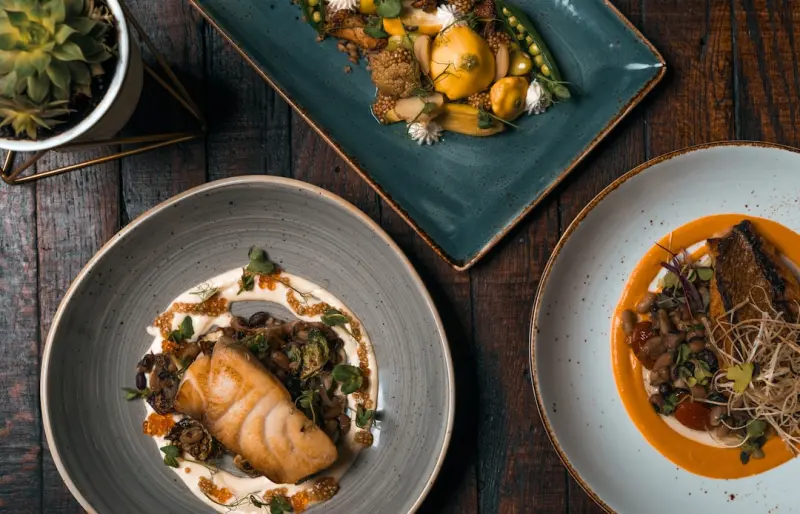
How Light Becomes the Secret Ingredient in Fine Dining
Explore the hidden power of restaurant lighting, how it shapes taste, mood, and the overall dining n... Read More
Top Posts
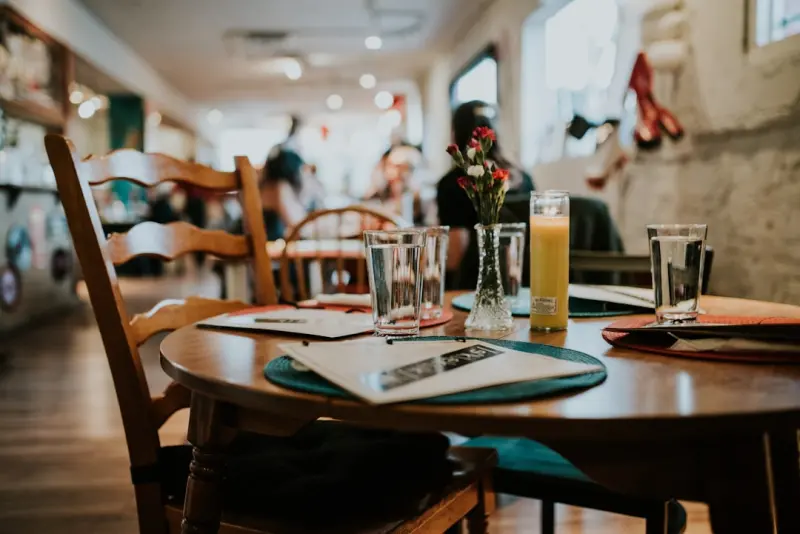
The Power of Storytelling in Restaurants: Turning Meals into Memorable Narratives
Explore how authentic narratives, music, design, and community voices turn ordinary meals into memorable experiences that keep guests returning for more....Read More
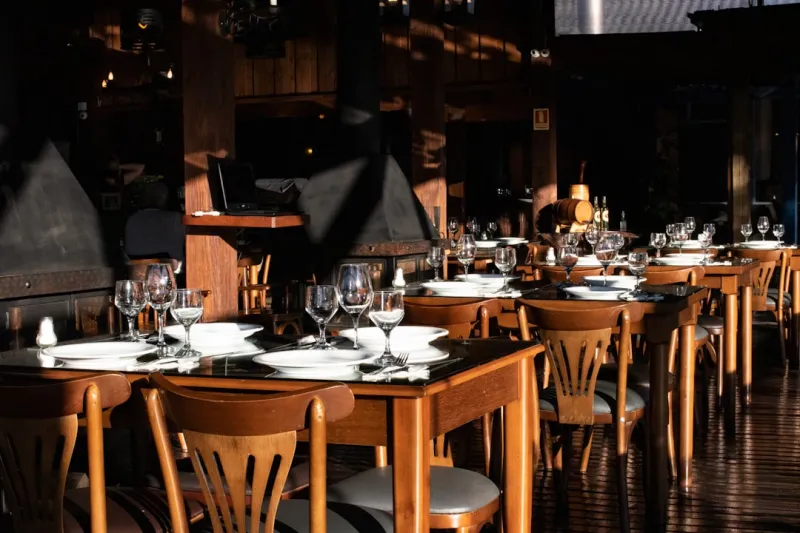
Dining as Narrative: How Restaurants Turn Meals into Stories
Discover the rise of narrative dining, where chefs craft meals as stories, engaging all senses and turning each restaurant visit into an unforgettable literary ...Read More

The Unseen Symphony: How Timing, Light, and Story Elevate Fine Dining
Explore the art of timing, lighting, and narrative in fine dining, revealing how chefs craft unforgettable, multi‑sensory experiences....Read More

Classic Techniques Take Center Stage in Modern Fine Dining
Discover the quiet renaissance of classic culinary techniques—slow reductions, heritage ingredients, and live kitchen performances—transforming today’s fi...Read More
0 Comments
Post Comment
You will need to Login or Register to comment on this post!