
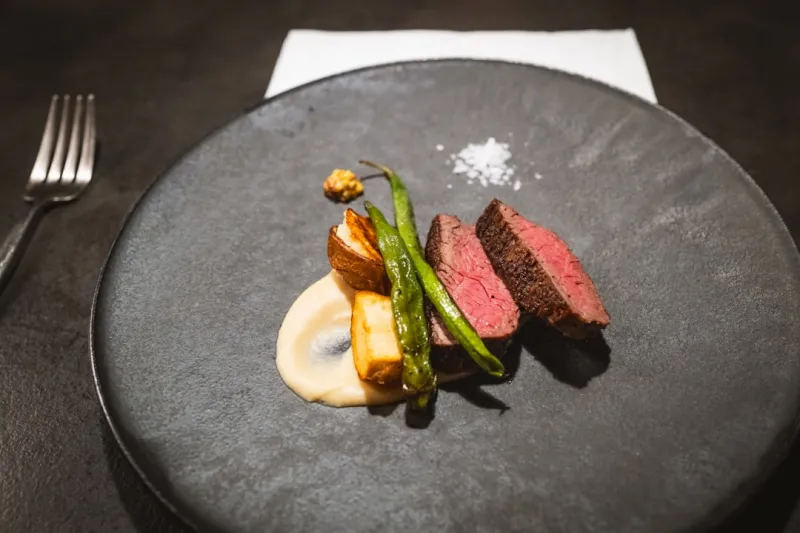
Why Fine Dining Feels Like a Novel Tonight
Walking into a restaurant that whispers stories through its décor, lighting, and the very way a fork is placed feels like opening the first page of a novel I didn’t know I’d been waiting for, and I can’t help but marvel at how the industry has learned to treat a meal as a narrative arc rather than a simple transaction; the chef’s mise‑en‑place becomes the prologue, the amuse‑bouche the inciting incident, and each subsequent course the rising action that builds anticipation for the climactic dessert. In my recent visits, I’ve noticed that the servers are no longer just waitstaff but rather narrators who guide guests through the plot twists of flavor, texture, and temperature, delivering each plate with a pause that mimics a well‑timed chapter break, allowing diners to savor the moment before turning the page. This shift toward immersive storytelling has transformed the dining experience into a memorable, emotionally resonant journey that stays with you long after the check is settled, making every reservation feel like a coveted ticket to an exclusive literary soirée.
When Fine Dining Becomes a Storytelling Journey
One of the most compelling examples of this evolution can be found in the article When Fine Dining Becomes a Storytelling Journey, where chefs describe their menus as “edible chapters” that draw inspiration from myth, personal memory, and even current events, turning each dish into a conversation starter that bridges the gap between palate and perspective; I was particularly struck by a tasting menu that began with a “Sea‑Salted Whisper” of kelp foam, evoking the distant roar of a shoreline and setting a tone of nostalgia that carried through the subsequent courses. The deliberate pacing mirrors the rhythm of a well‑crafted plot, where the intensity rises and falls, and the chef’s choice to intersperse palate cleansers feels akin to a poet’s strategic line break, offering readers a moment to breathe before diving deeper. As a diner who thrives on narrative, I find that this approach not only satisfies my appetite but also fulfills a craving for meaning, turning a night out into an intellectual as well as gustatory adventure.
When a Plate Becomes a Story: Narrative Lens
Delving further into the concept, the piece When a Plate Becomes a Story illustrates how menus are now curated like anthologies, with each dish representing a short story that contributes to a larger thematic collection; the chef at a downtown bistro likened his seasonal tasting menu to a “travelogue through the farmer’s market,” where the first course captured the crispness of early autumn apples while the final course celebrated the lingering sweetness of late‑harvest figs, effectively mapping a year’s worth of agricultural change onto a single evening. This narrative lens encourages diners to engage their imagination, prompting questions such as “What memory does this flavor evoke?” or “Which cultural reference is being whispered here?” and those questions become the catalyst for richer, more personalized conversations at the table. By treating food as a story, restaurants invite guests to become co‑authors, interpreting and reshaping the tale with every bite, which is a powerful way to foster a deeper, lasting connection between chef, diner, and the dish itself.
The Best Restaurants Where Every Dish Tells a Story
Finding venues that truly embrace this storytelling ethos can feel like searching for hidden chapters in a well‑guarded library, but the guide The Best Restaurants Where Every Dish Tells a Story offers a curated list of establishments that have mastered the art of culinary narrative, ranging from intimate speakeasies that serve “prohibition‑era whispers” to avant‑garde kitchens that experiment with “future‑food fables.” What sets these places apart is their commitment to weaving a consistent thread through every element of the experience—ingredients sourced from a single terroir, décor that reflects the menu’s theme, and service that anticipates the emotional beats of each course, much like a director cues actors for a pivotal scene. When I dined at one of the highlighted spots, the chef presented a “Midnight Garden” tasting that began with a black‑currant sorbet resembling the first star of night, progressed through a series of dark‑earth vegetables that felt like a moonlit walk, and concluded with a chocolate‑infused “night sky” mousse that left me contemplating the infinite possibilities of flavor storytelling.
Chef as Author: Crafting the Plot
In the modern fine‑dining landscape, chefs have assumed the role of authors, drafting plotlines that balance suspense, climax, and resolution, and this literary mindset is evident in the way they design tasting menus that unfold like a mystery novel; each ingredient is chosen not only for its taste but for its symbolism, allowing a single herb to represent resilience, a spice to hint at rebellion, and a sauce to embody reconciliation. The chef’s kitchen becomes a writer’s studio where drafts are tested, edited, and refined, and the staff acts as editors, providing feedback that sharpens the narrative flow, ensuring that no chapter feels out of place or overly verbose. As someone who reads as voraciously as I eat, I appreciate the transparency of chefs who share the “author’s note” on the menu, explaining the inspiration behind each course and inviting diners to become active participants in the unfolding story rather than passive consumers.
Sensory Design: The Five‑Sense Symphony
Beyond flavor, the most immersive storytelling experiences orchestrate all five senses, turning the dining room into a stage where sight, sound, touch, and smell each play a pivotal role in reinforcing the narrative; a subtle soundtrack of distant waves can accompany a seafood‑centric menu, while the gentle hum of a forest canopy enhances a foraged‑mushroom tasting, and tactile elements like textured table linens echo the ruggedness of a mountain‑inspired dish. To illustrate this multisensory approach, many establishments now employ a curated list of sensory cues:
- Visual: plating that resembles a painter’s canvas, using color gradients to hint at emotional tone.
- Aural: curated playlists that shift in tempo with each course, mirroring narrative pacing.
- Olfactory: aromatic mistes released at the table to pre‑empt the upcoming flavor profile.
- Tactile: varied utensil weights and textures that change as the story progresses.
- Gustatory: progressive intensity of flavors that builds toward a climactic crescendo.
By thoughtfully aligning these sensory elements with the culinary storyline, restaurants create a cohesive, immersive experience that feels less like a meal and more like stepping into a living, breathing novel where each sense contributes a line to the overall prose.
Why Every Bite Feels Like a Chapter
In my recent deep‑dive article Why Every Bite Feels Like a Chapter, I explored how the pacing of courses mirrors the rhythm of a well‑crafted book, with deliberate pauses that allow reflection, just as a literary pause invites the reader to contemplate a plot twist; the chef’s decision to serve a palate cleanser between two contrasting dishes operates like a chapter break, giving diners a moment to reset before confronting the next wave of flavors. This intentional pacing not only heightens anticipation but also deepens emotional resonance, as the body and mind are primed to absorb the story’s next segment, whether it’s a bold, spicy revelation or a gentle, comforting resolution. When the experience feels cohesive, diners leave with a sense of narrative satisfaction comparable to finishing a beloved novel, often recalling specific “scenes” of the meal in vivid detail weeks after the last crumb has been cleared.
Future Trends: The Narrative Continues to Evolve
Looking ahead, the convergence of technology and storytelling promises to push fine‑dining narratives into new dimensions, with augmented reality menus that project visual backstories onto the table, AI‑generated poetry that appears alongside each plate, and interactive table surfaces that let guests choose alternate plot paths for their meal, turning a static menu into a choose‑your‑own‑adventure experience; these innovations suggest that the next chapter of fine dining will be as much about digital immersion as it is about culinary skill. However, the core of this evolution remains unchanged: the desire to connect emotionally, to turn a simple act of nourishment into an unforgettable story that reflects our culture, our memories, and our aspirations. As a passionate advocate for narrative‑driven dining, I am excited to witness how chefs continue to blend tradition with technology, ensuring that every future dinner remains a page‑turner worth savoring.
Conclusion: My Personal Takeaway
Ultimately, the rise of story‑driven fine dining has reshaped how I approach a reservation, turning it into a deliberate quest for meaning as much as for flavor, and I now view each tasting menu as a personal anthology that invites me to reflect on my own life chapters while tasting the chef’s interpretations of universal themes; the blend of meticulous plating, curated ambience, and purposeful pacing creates a holistic experience that satisfies both my culinary curiosity and my love for narrative depth. By embracing this approach, restaurants are not merely serving food—they are crafting experiences that linger in memory like a beloved book, and I encourage fellow diners to seek out these narrative havens, to taste, to listen, and to become part of the ever‑expanding story of fine dining.

Becky Putman is an Ottawa-based freelance writer and marketing professional with a passion for storytelling, animals, and community involvement. She enjoys creating engaging content that informs, inspires, and connects with readers.
Related Posts
When Fine Dining Becomes a Narrative Journey
Fine dining isn’t just food—it’s a story. Dive into the elements that turn plates into narrati... Read More
Fine Dining in 2024: Rose DesRochers’ Vision for Flavor, Story, and Innovation
Rose DesRochers reveals how 2024’s fine dining blends technology, storytelling, sustainability, an... Read More
Fine Dining 2026: The Sensory Storytelling Revolution
Fine dining in 2026 has become an immersive, story‑driven experience, blending flavor, sustainabil... Read More
Top Posts
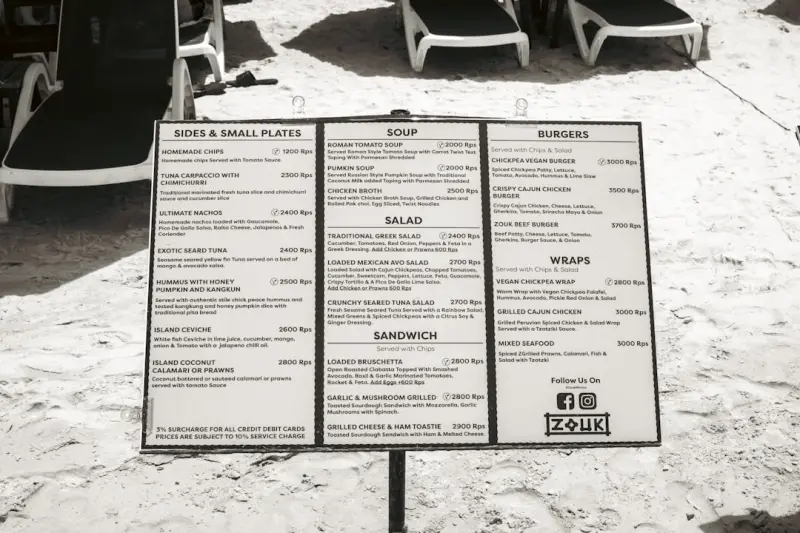
The Psychology Behind Restaurant Menus: How Design Drives Your Choices
Explore the hidden tactics restaurants use in menu design—fonts, layout, and descriptions—to guide your choices and enhance the dining experience....Read More
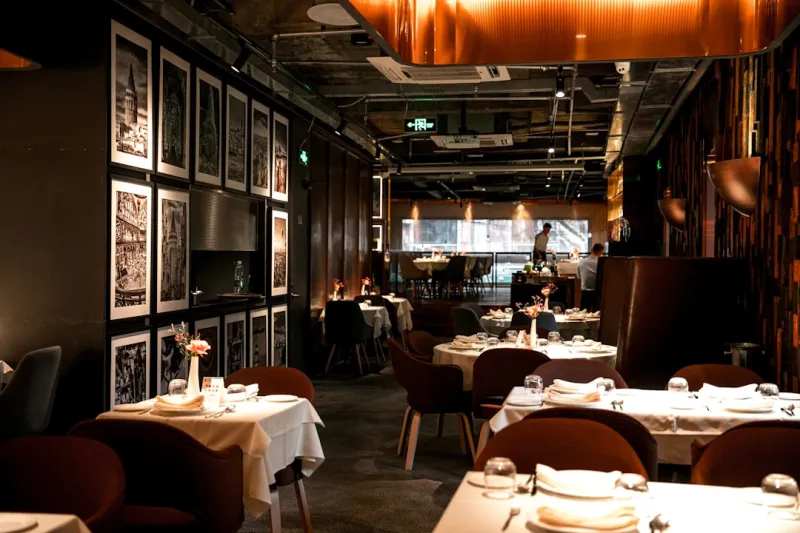
Fine Dining Through Becky Putman's Lens: A 2024 Flavor Journey
Becky Putman shares her personal journey through 2024's fine dining, revealing hidden gems, storytelling plates, and the future of sustainable luxury....Read More

How Personal Memory Shapes the Fine‑Dining Experience
Fine dining isn’t just about taste; it’s a journey through memory. Explore how chefs, wine, and service weave personal stories into unforgettable meals....Read More

Scent and Sophistication: The Hidden Layer Elevating Fine Dining
Explore the invisible power of scent in fine dining, how chefs craft aromatic atmospheres, and what the future holds for personalized perfume‑paired meals....Read More
0 Comments
Post Comment
You will need to Login or Register to comment on this post!