
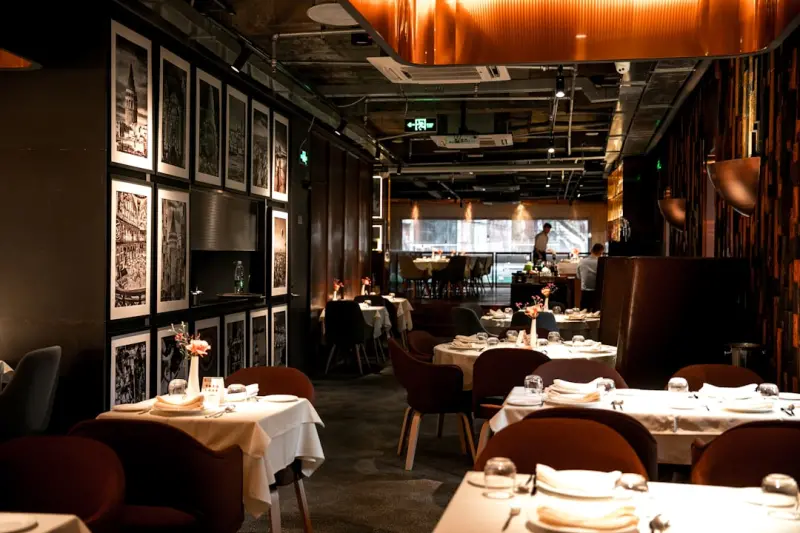
The Unseen Narrative of Tableware
When you step into a fine‑dining room, the first thing that greets you isn’t the menu, it’s the plate beneath your fork. That simple, white canvas—or sometimes a bold, textured bowl—sets a tone that the chef’s words can only echo later. Every curve, every rim, every glaze whispers a promise about the flavors about to arrive, coaxing the mind to anticipate the experience before a single bite touches the palate. In my years of tasting tableside, I’ve learned to read these silent cues the way a sommelier reads a wine’s bouquet; the plate’s hue can amplify the vibrancy of a beet reduction, while a deep‑gold rim can lend a sense of ceremony to a humble broth. The subtle drama of tableware is a language of its own, one that seasoned diners understand instinctively, even if they can’t name it.
Historically, the evolution of tableware mirrors the rise of gastronomy as an art form. In the courts of Versailles, gilded silver platters were a display of power, meant to impress foreign dignitaries as much as to serve food. Fast forward to the mid‑twentieth century, when the modernist movement stripped away ornamentation in favor of clean lines and functional form, aligning with chefs who sought purity on the plate. Today, the dialogue continues: contemporary designers experiment with translucency, asymmetry, and even biodegradable materials, challenging diners to rethink what “fine” really means. This lineage shows that while cuisine evolves, the vessels that carry it are equally dynamic, shaping perception just as much as the ingredients themselves.
Even the most avant‑garde kitchens acknowledge that the right dish can be undone by a mismatched plate. A study published in the Journal of Gastronomic Science found that participants rated a dish more favorably when it was presented on a plate whose color contrasted with the food, enhancing visual appeal and perceived taste. This aligns with the insights from Subtle Innovations, where subtle shifts in presentation can elevate a meal from memorable to iconic. The interplay between visual perception and flavor is not magic; it’s a carefully calibrated partnership between chef and tableware artisan, each trusting the other to fulfill a shared vision.
Materials, Shapes, and Sensory Dialogue
The choice of material is far more than an aesthetic decision; it directly influences temperature, texture, and even aroma. Porcelain, with its cool, smooth surface, preserves the integrity of a chilled amuse‑bouche, while a rustic stoneware bowl can retain heat, allowing a soup to stay warm longer. Glass, especially when subtly tinted, refracts light, making sauces appear more luminous and inviting. Even the weight of a piece matters— a heavy, hand‑blown crystal wine glass imparts a sense of gravitas, encouraging slower sipping and deeper appreciation of the wine’s complexity.
Shape, too, plays a conversational role with the food. A wide, shallow plate encourages a chef to spread components, creating a visual story that guides the eater’s eye across flavors. Conversely, a deep, narrow bowl invites a more intimate, spoon‑first approach, often used for consommés or delicate risottos. The geometry of the rim can channel aromas toward the nose, amplifying the olfactory component that precedes taste. A recent collaboration between a Michelin‑starred chef in New York and a London‑based design studio produced a set of asymmetrical plates that subtly direct the diner's gaze toward a single focal point— a technique that transforms plating into choreography.
Beyond sight and touch, the tactile feedback of tableware can shape the overall dining rhythm. A smooth, cool plate can make a hot bite feel more balanced, while a textured surface may add an unexpected contrast that heightens interest. The auditory “clink” of fine crystal against silverware, though fleeting, contributes to a multi‑sensory orchestra that fine‑dining establishments meticulously compose. This synergy is explored in depth in Why Restaurant Lighting and Design Matter More Than You Think, where the author notes that visual and tactile cues work hand‑in‑hand to craft an immersive environment.
Curating the Tableware Journey: From Kitchen to Guest
Designing the table setting is a collaborative choreography that begins long before the first reservation is made. Chefs often sit down with sommeliers, interior designers, and sometimes even the artisans who craft the plates, discussing the narrative of the upcoming menu. The goal is to ensure that the story told on the plate is mirrored by the story told by the vessel. For instance, a sea‑salt caramel dessert might be served on a slab of sea‑glass that subtly reflects the oceanic theme, reinforcing the dish’s provenance.
Sustainability has entered the conversation, prompting many top restaurants to source tableware from local potters and glassblowers, reducing carbon footprints while supporting artisanal communities. Some establishments even commission limited‑edition collections that become collectible pieces, adding a layer of exclusivity that diners cherish. This approach not only aligns with ethical dining trends but also deepens the emotional connection guests feel when they know their experience supports local craftsmanship.
Looking ahead, technology is poised to blur the line between tradition and innovation in tableware. Smart plates equipped with temperature sensors can signal servers when a dish reaches optimal serving temperature, ensuring every bite arrives at its peak. Augmented‑reality projections onto translucent glasses could provide diners with visual storytelling, overlaying the origins of each ingredient as they sip. While these ideas may sound futuristic, early adopters are already experimenting, proving that the humble plate will continue to evolve, preserving its role as the silent yet powerful narrator of fine‑dining journeys.

When it comes to the world of blogging and writing, Rose DesRochers is a name that stands out. Her passion for creating quality content and connecting with her audience has made her a trusted voice in the industry. Aside from her skills as a writer and blogger, Rose is also known for her compassionate nature.
Related Posts
Zero‑Waste Luxury: Turning Kitchen Scraps into Fine‑Dining Gold
Explore the rise of zero‑waste fine dining, where every peel, bone, and leaf becomes a star on the... Read More
Heritage Ingredients Revive Fine Dining
Chefs are digging into lost regional ingredients, reviving forgotten flavors and weaving them into t... Read More

Scented Symphony: Crafting Olfactory Narratives in Fine Dining
Discover the power of scent in fine dining and how chefs are weaving aromatic narratives to elevate ... Read More
Top Posts
The Best Restaurants That Turn Dining Into a Storytelling Experience
Explore the hottest restaurants that turn meals into memorable stories, blending cuisine, ambiance, and storytelling for a truly immersive dining adventure....Read More

The Ultimate 2026 Guide to the Best Restaurants You Must Experience
From hyper‑local farms to AI‑driven menus, Rose DesRochers uncovers the restaurants redefining flavor in 2026, offering readers a roadmap to the most memora...Read More
Unearthing Forgotten Flavors: The Best Restaurants Reviving Heritage Recipes
Explore the most authentic eateries resurrecting forgotten family recipes, where each dish tells a story of heritage and culinary tradition....Read More
Savoring Stories: The Best Restaurants That Turn Meals Into Narratives
Explore how the finest eateries turn each plate into a compelling story, blending flavor, ambience, and service into unforgettable narrative dining experiences....Read More
0 Comments
Post Comment
You will need to Login or Register to comment on this post!