
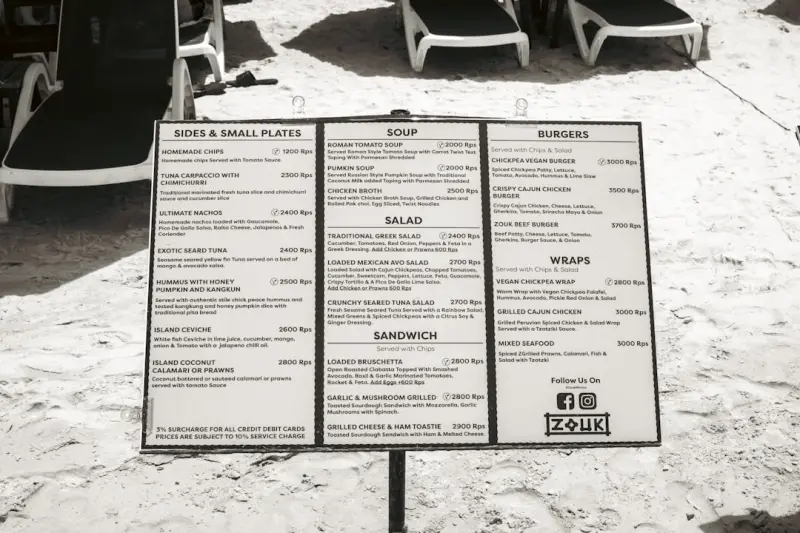
Why Menu Design Is the Silent Salesperson in Every Restaurant
Every time I slide a menu across the table, I’m reminded that the paper in front of me is more than a list—it’s a carefully crafted conversation starter that can subtly steer my cravings. From the weight of the cardstock to the ink’s hue, each tactile detail whispers confidence, nudging diners toward higher‑margin dishes before they even read the first line. I’ve learned to read these cues like a seasoned sommelier reads a wine list, and the insights have reshaped how I choose where to eat and what to order.
The Power of Typography: Fonts That Speak to Appetite
When a menu adopts a clean, sans‑serif typeface, it conveys modernity and approachability, while an elegant serif can evoke tradition and sophistication, a nuance I noticed during a recent brunch at a downtown bistro. Research shows that readers linger longer on familiar fonts, interpreting them as trustworthy, which can increase the likelihood of ordering featured items; this is why many establishments now hire graphic designers to fine‑tune every curve. If you’ve ever felt drawn to a dish simply because its description was set in a slightly larger, bolded font, you’ve experienced the subconscious pull of typographic hierarchy.
Layout Hierarchy: Guiding Eyes Without Saying a Word
Strategic placement of sections—appetizers at the top left, mains centered, desserts tucked to the right—creates a visual flow that mirrors a culinary journey, subtly encouraging diners to progress through the menu as intended. By allocating more visual weight to high‑profit items, restaurants can increase the average check without overt upselling, a tactic I observed at a farm‑to‑table eatery where the chef’s specials occupied the center spread. The spacing between categories, the use of white space, and even the order of columns act as silent signposts that shape decision‑making before the palate even engages.
Descriptive Language: The Art of Appetite‑Inducing Storytelling
Words like “hand‑crafted,” “slow‑roasted,” and “locally‑foraged” do more than describe—they ignite imagination, turning a simple plate into an experience waiting to be lived, a phenomenon I love to explore when I’m hunting for new spots. Studies reveal that sensory adjectives boost perceived flavor intensity and can increase willingness to pay; thus, menus that paint vivid pictures of texture, aroma, and origin often see a surge in orders for those highlighted dishes. I once ordered a “smoky, char‑kissed ribeye” purely because the description painted a mouth‑watering scene, and the dish did not disappoint.
Visual Elements: Images, Icons, and the Subtle Cue of Color
While many chefs fear that photos can limit imagination, a well‑chosen image can serve as a beacon for indecisive diners, especially when paired with a tasteful icon indicating spiciness or vegetarian options. Color psychology plays a role too—warm reds can stimulate hunger, whereas cool blues may suppress appetite, a balance that upscale venues often manage by using muted palettes for elegance and sparing bursts of color for signature plates. I’ve noticed that menus with a single, high‑quality photo of the chef’s signature dish often see that item fly off the kitchen ticket faster than its text‑only counterparts.
Pricing Psychology: The Subtle Art of Numbers Without Symbols
Removing currency symbols and using whole numbers can make prices appear less intimidating, a trick that encourages guests to spend a few dollars more than they might otherwise; I’ve seen menus list “25” instead of “$25.00,” and the difference feels almost imperceptible. The left‑digit effect—where the first digit anchors perception—means placing higher‑priced items in the $30‑$40 range can make $20 options seem more affordable by comparison. When a menu subtly clusters “value” meals near the top, diners often gravitate toward them, perceiving a better deal, even if the margin is slimmer for the restaurant.
Digital Menus and QR Codes: The New Frontier of Interaction
In the age of contactless dining, QR‑code menus have become the norm, offering restaurants the flexibility to update items in real time and experiment with dynamic pricing, a feature I appreciate when a favorite dish disappears from the printed version but reappears digitally with a limited‑time offer. Interactive elements—such as tappable dish photos that expand into ingredient stories—engage tech‑savvy patrons and provide valuable data on which items capture the most clicks. However, the challenge lies in balancing digital convenience with the tactile romance of a printed menu, a balance that many establishments are still perfecting.
Case Study: A Menu Makeover That Turned a Local Spot into a Must‑Visit Destination
When the beloved neighborhood tavern decided to revamp its menu, they consulted a design studio and introduced a clear hierarchy, richer descriptions, and a splash of color for seasonal specials; the result was a 22% increase in average check size within the first month. Their new layout highlighted the chef’s “heritage‑inspired braised short ribs” alongside a subtle icon denoting locally sourced meat, a decision that resonated with diners seeking authenticity. For more inspiration on how thoughtful design can elevate a dining experience, check out co‑created menus and explore hidden gem restaurants that have leveraged visual storytelling to stand out.
Actionable Tips for Restaurateurs: Elevate Your Menu Without a Full Redesign
Start by auditing your current menu: identify the top three profit drivers and give them visual prominence through larger fonts, bold headings, or a distinct color accent; a quick tweak can redirect focus without a complete overhaul. Next, replace bland descriptors with vivid, sensory language—think “golden‑crisped” instead of “fried”—to stimulate cravings and justify premium pricing. Finally, test different price presentations (e.g., removing dollar signs) and monitor guest feedback; even minor adjustments can yield measurable revenue growth, proving that the menu is a living, breathing tool for shaping the dining journey.

Becky Putman is an Ottawa-based freelance writer and marketing professional with a passion for storytelling, animals, and community involvement. She enjoys creating engaging content that informs, inspires, and connects with readers.
Related Posts
Data‑Driven Personalization: Crafting Menus That Know You Better Than You Know Yourself
Explore the rise of data‑driven personalization in restaurants, from tech behind the scenes to rea... Read More
When Loyalty Becomes Luxury: How Restaurants Turn Rewards into Experiences
Explore the shift from traditional points systems to immersive, experience‑driven loyalty programs... Read More

Beyond the Plate: How Staff Culture Shapes Every Bite
Explore how nurturing staff culture elevates service, boosts loyalty, and fuels culinary innovationâ... Read More
Top Posts
The 2024 Restaurant Renaissance: Becky Putman’s Flavor‑First Journey Through Dining Trends
Becky Putman uncovers the 2024 Restaurant Renaissance, highlighting flavor‑first dining, sustainability, immersive concepts, and top restaurant picks that red...Read More
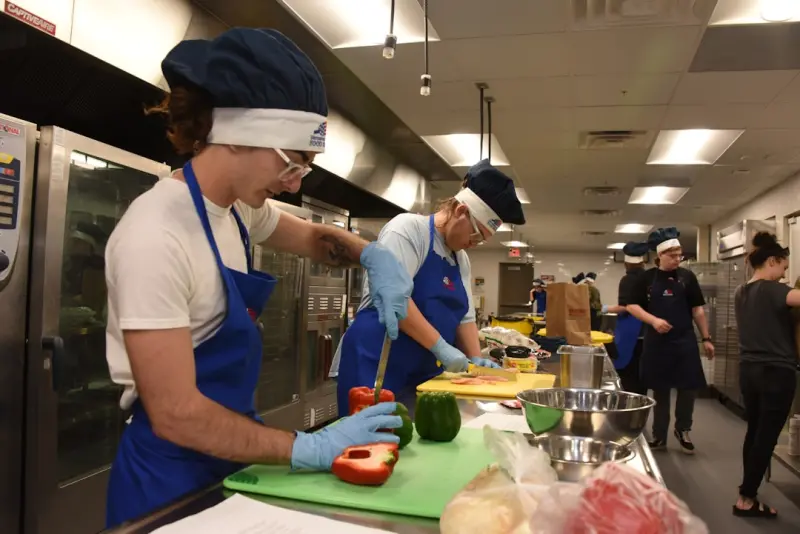
The Hidden Ingredient: How Apprenticeship Programs Are Shaping the Best Restaurants
Explore the rise of culinary apprenticeships and how they’re redefining the best restaurants, from innovative menus to sustainable practices....Read More
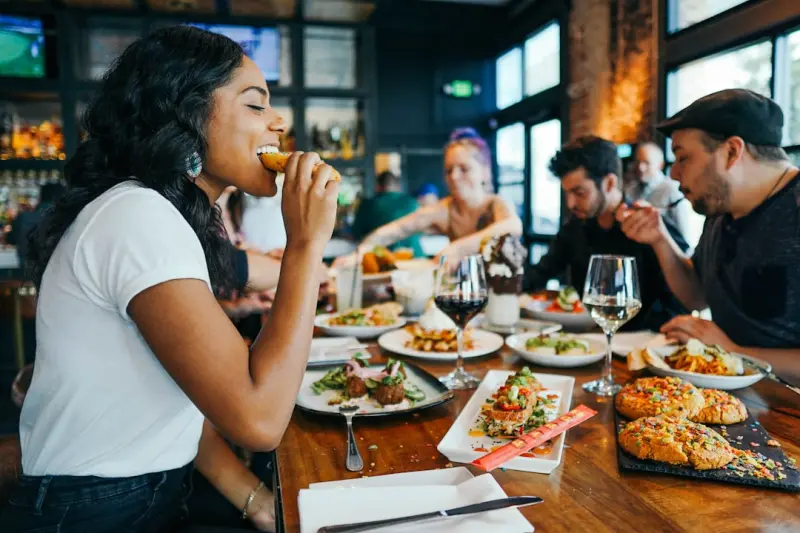
The Invisible Kitchen: How Delivery‑Only Restaurants Are Redefining Dining
Discover the rise of ghost kitchens, their impact on flavor, branding, sustainability, and how they’re turning delivery into a fresh dining experience....Read More
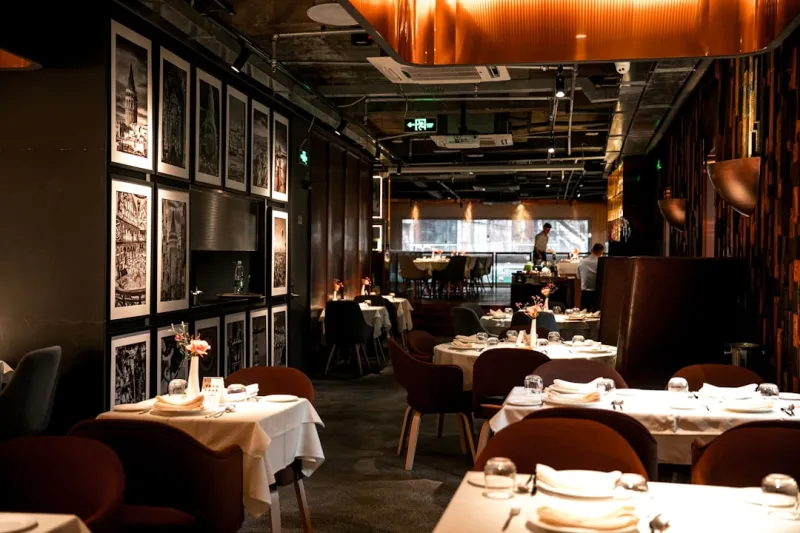
When Fine Dining Becomes a Storytelling Adventure
Discover the rise of narrative dining, where chefs act as storytellers and every plate whispers a tale, turning meals into unforgettable literary experiences....Read More
0 Comments
Post Comment
You will need to Login or Register to comment on this post!