
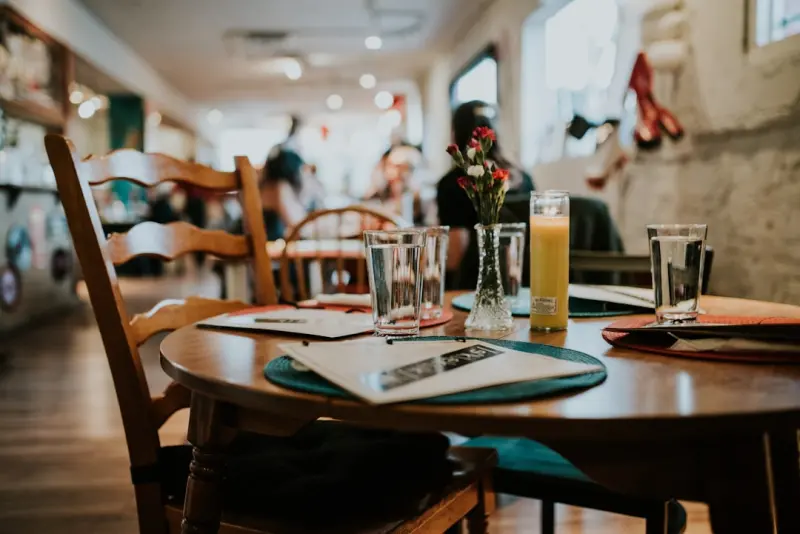
When I first walked into a tucked‑away bistro on a rain‑slicked street, I wasn’t just looking for a meal—I was hunting for a story. The moment the host greeted me, he whispered a brief legend about the building’s former life as a speakeasy, and suddenly the candlelit tables felt like a secret chapter waiting to be read. That narrative hook transformed a simple dinner into an immersive memory, and I left convinced that the restaurant’s soul was as important as its sauce. Storytelling in restaurants isn’t a gimmick; it’s a magnetic force that draws diners back, eager to explore the next page of flavor and folklore.
Why Narrative Beats Menu Alone
Most eateries focus on the menu, but the most magnetic ones weave a tale that frames each dish. Imagine a ramen bowl described as “the sunrise over Osaka’s bustling fish market,” versus a bland list of noodles, broth, and pork. The former paints a mental picture that triggers anticipation, appetite, and a lingering emotional connection. Research shows that diners who feel part of a story are 30 % more likely to return, because they’re not just buying food—they’re purchasing an experience that feels personal and meaningful. In my own visits, I’ve found that when a chef shares the origin of a heirloom tomato or the family saga behind a pastry, my palate registers the love and effort, turning a single bite into a cherished memory.
Crafting the Narrative: Elements That Stick
To build a compelling story, restaurants need three core ingredients: authenticity, sensory detail, and a relatable protagonist. Authenticity means grounding the tale in real history—whether it’s a generational recipe, a reclaimed warehouse, or a cultural tradition. Sensory detail invites guests to visualize, smell, and hear the scene, turning abstract concepts into vivid experiences. Finally, the protagonist—often the chef, founder, or even a local farmer—gives the audience a human anchor to connect with. In practice, I loved a place that displayed a handwritten note from the farmer who grew the carrots, alongside a short video of his family harvesting at dawn. That blend of genuine backstory and vivid description made the carrot‑infused salad taste richer, as if I were sharing a sunrise with the growers themselves.
Integrating Storytelling into the Guest Journey
The narrative shouldn’t be confined to a wall plaque; it should thread through every touchpoint—from the reservation system to the final check. I recall a restaurant that sent a pre‑arrival email featuring a short story about the origin of their house‑made charcuterie, complete with a behind‑the‑scenes photo of the curing room. When I arrived, the server reiterated the tale while presenting the cured meats, reinforcing the story’s resonance. This continuity creates a cohesive experience, making guests feel like insiders rather than passive observers. Moreover, leveraging technology—like QR codes linking to micro‑documentaries—lets diners explore the story at their own pace, deepening engagement without interrupting the meal’s flow.
Music as Narrative Texture
Sound can act as an unseen narrator, subtly guiding emotions and reinforcing the story being told. A recent article I loved, How Music Transforms the Restaurant Experience, highlighted how playlists curated to match a venue’s theme can amplify its narrative. For example, a Mediterranean tavern that plays gentle bouzouki strings while telling a tale of seaside fishermen creates a cohesive ambiance that transports diners to the Aegean coast. In my own dining adventures, I’ve noticed that when the music aligns with the story—whether it’s jazz for a 1920s speakeasy vibe or traditional folk for a farm‑to‑table concept—the entire experience feels more authentic and immersive, turning ordinary meals into memorable chapters.
Visual Storytelling: Design, Décor, and Detail
The visual language of a restaurant is its cover page, and it must echo the written and auditory narrative. I once dined at a place that used reclaimed wood and vintage maps to evoke a 19th‑century explorer’s tavern, complementing a menu that described each dish as “discovered on a distant shore.” The cohesive visual cues—weathered brass fixtures, hand‑drawn sketches of ingredients—reinforced the adventure motif, making every bite feel like a new find. Consistency across table settings, wall art, and even staff uniforms helps guests absorb the story subconsciously, turning décor into an active storyteller rather than mere backdrop.
Leveraging Community Voices for Authentic Stories
One of the most powerful ways to enrich a restaurant’s narrative is to invite community voices into the story. When local artists contribute murals, when longtime patrons share anecdotes on a “memory wall,” or when suppliers provide short videos of their craft, the establishment becomes a living anthology of shared experiences. I’ve seen cafés host “story nights” where regulars recount their first dates or career milestones that happened over a cup of coffee, weaving personal histories into the brand’s fabric. This communal storytelling not only deepens loyalty but also creates a sense of ownership among patrons, who feel their own stories are part of the restaurant’s evolving legend.
Measuring Narrative Impact: Data Meets Emotion
While stories are inherently emotional, their success can be quantified through repeat visitation rates, average check size, and social media sentiment. Tools like loyalty apps—explored in The Hidden Power of Restaurant Loyalty Apps—allow eateries to track which narrative elements drive the most engagement. For instance, a spike in repeat bookings after launching a chef‑origin video series suggests that guests are responding to the authenticity cue. By marrying data with storytelling, restaurants can refine their narratives, focusing on the chapters that resonate most and discarding those that fall flat, ensuring the story evolves alongside its audience.
Putting It All Together: A Blueprint for Narrative‑Driven Dining
To embed storytelling into a restaurant’s DNA, start with a clear core narrative—whether it’s heritage, place, or a personal mission. Then, layer sensory details across menu copy, staff training, music selection, visual design, and digital touchpoints. Encourage community participation to keep the story alive and use data to gauge its effectiveness, iterating as needed. When done right, the narrative becomes a magnetic force that not only attracts diners but also turns them into brand ambassadors, sharing the story on social platforms and inviting friends to become part of the tale. As I’ve experienced time and again, a well‑told story transforms a meal from a transaction into a cherished memory that diners crave to revisit.

Becky Putman is an Ottawa-based freelance writer and marketing professional with a passion for storytelling, animals, and community involvement. She enjoys creating engaging content that informs, inspires, and connects with readers.
Related Posts

Dining in the Dark: How Blindfolded Meals Are Redefining Flavor Perception
Step into darkness and discover how blindfolded dining amplifies flavor, builds connection, and offe... Read More
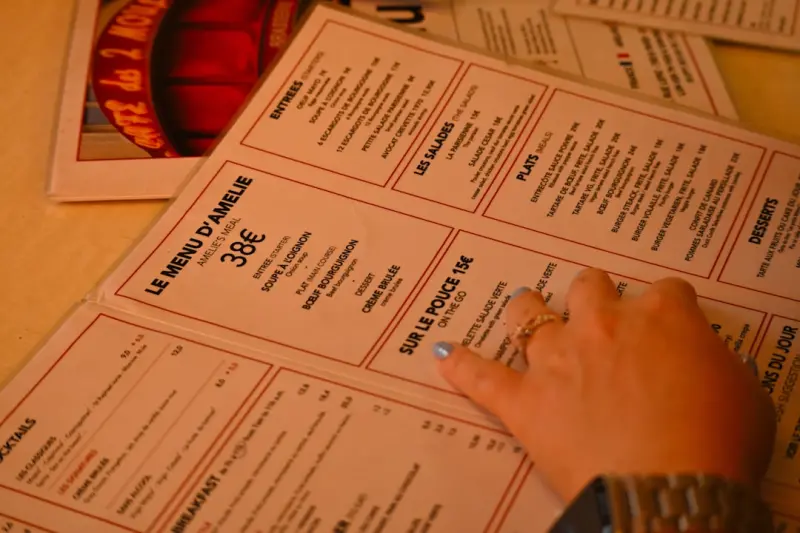
The Psychology of Menu Design: How Layout, Language, and Pricing Drive Restaurant Success
Explore the hidden tactics behind menu design—from visual hierarchy to pricing psychology—that s... Read More

The Secret Ingredient: How Staff Stories Turn Diners Into Loyal Fans
Explore how authentic staff stories create deeper connections with diners, boost repeat visits, and ... Read More
Top Posts
Sustainable Bites: The Best Eco‑Conscious Restaurants You Need to Try
A guide to the most innovative sustainable restaurants, highlighting zero‑waste kitchens, renewable power, and community‑focused initiatives that let you en...Read More

Zero‑Waste Restaurants: Turning Scraps Into Signature Dishes
Explore the rise of zero‑waste restaurants that turn every peel and stem into a signature dish, delighting guests while cutting costs and carbon footprints....Read More

The Secret Rhythm of Service: How Timing Shapes Fine Dining
Explore the invisible rhythm of fine dining—how chefs, maitre d’s, and technology synchronize timing to create unforgettable culinary experiences....Read More
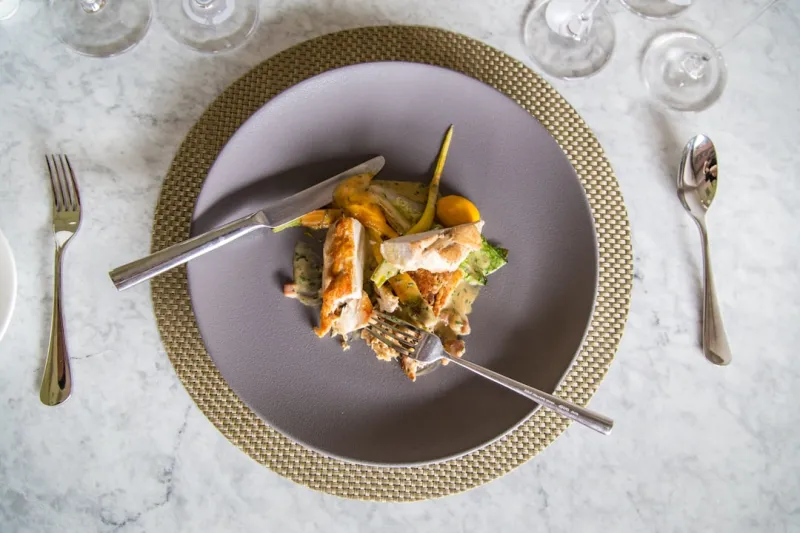
The Art of Storytelling on the Fine‑Dining Plate
Fine dining is evolving into a storytelling feast, where menus read like chapters and chefs act as authors, creating immersive, multisensory experiences that li...Read More
0 Comments
Post Comment
You will need to Login or Register to comment on this post!