
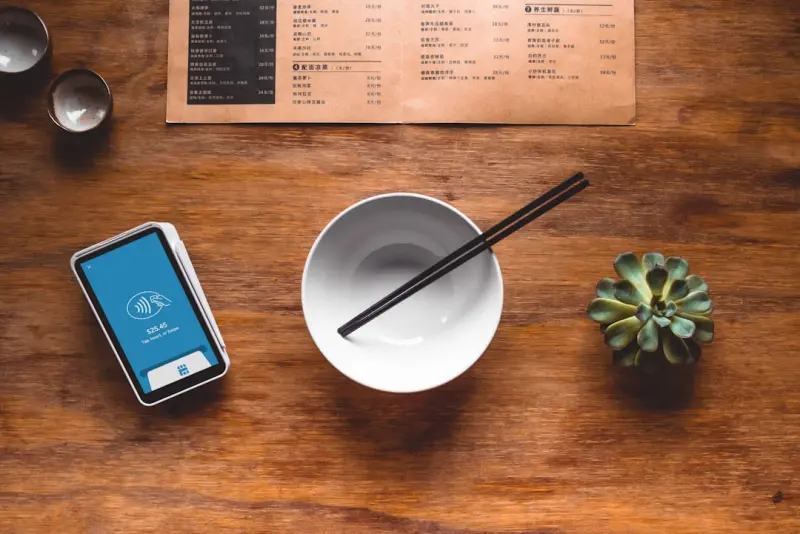
Every time my phone pings with a “You’ve earned a free appetizer!” notification, I feel a strange mix of excitement and curiosity, as if I’ve been handed a tiny treasure map that leads straight to my next dinner reservation. This sensation isn’t just about the free bite; it’s the subtle reminder that the restaurant I just left remembers me, tallies my choices, and is now nudging me back through a digital whisper. In a world where dining decisions are swamped by options, these loyalty nudges have become the quiet conductors of our culinary journeys.
Why Loyalty Matters in the Modern Restaurant Landscape
The rise of restaurant loyalty programs isn’t a fleeting fad but a strategic response to the hyper‑competitive market, where a single swipe of a credit card can determine a patron’s next stop. By converting casual diners into data points, eateries can map out spending habits, preferred cuisines, and even the time of day a customer is most likely to visit, allowing them to craft offers that feel almost prescient. This data‑driven intimacy transforms a simple transaction into a personalized dialogue, turning a $15 latte into a conversation starter about upcoming seasonal menus.
The Data Engine Behind the Perks
Behind every “Earn 10 points” message lies a sophisticated backend that aggregates purchase histories, cross‑references them with inventory trends, and predicts which dishes will move faster if paired with a reward. Advanced analytics platforms sift through millions of rows of data, identifying patterns such as “mid‑week diners prefer plant‑based starters” and then automatically generating targeted coupons that encourage repeat visits on slower nights. In essence, the loyalty app becomes a silent sales manager, optimizing both guest satisfaction and kitchen efficiency without a single human whisper.
Personalized Rewards: A Double‑Edged Sword
When a restaurant greets you with a reward that mirrors your favorite flavor profile—say, a free truffle‑infused mushroom risotto after three Italian meals—it feels like a celebration of your unique palate, reinforcing brand loyalty on an emotional level. Yet this hyper‑personalization can also create a feedback loop where diners become conditioned to only seek out restaurants that know them so well, potentially narrowing their culinary horizons and reinforcing echo chambers of taste. The challenge for restaurateurs is to balance the thrill of a bespoke offer with occasional surprises that push guests toward new experiences.
Community Building Through Points
Beyond individual incentives, many establishments have begun weaving loyalty points into broader community narratives, turning a simple rewards tally into a shared story of local support. For example, some venues allow patrons to pool points toward a “Neighborhood Night” where a portion of redeemed rewards funds a free communal tasting menu for first‑time diners. This collective approach not only drives foot traffic but also cultivates a sense of belonging, as patrons see their personal contributions ripple out to benefit neighbors and fellow food lovers.
- Strengthened local brand identity
- Increased word‑of‑mouth referrals
- Higher average spend per visit
Designing Seamless App Experiences
A loyalty app’s success hinges on its usability; if the interface is cluttered or the redemption process feels like a maze, the goodwill generated by the rewards can evaporate in seconds. Designers now prioritize frictionless flows—one‑tap point accrual, clear visual progress bars, and push notifications that surface at the right moment, such as just before the dinner rush. By marrying elegant aesthetics with intuitive functionality, restaurants ensure that the app becomes an extension of the dining experience rather than an afterthought.
Potential Pitfalls and Privacy Concerns
Collecting granular data inevitably raises questions about how that information is stored, shared, and protected, especially as diners become more vigilant about digital privacy. Restaurants must navigate regulatory landscapes, obtain explicit consent, and be transparent about data usage, lest a breach erode the trust that loyalty programs painstakingly build. Moreover, over‑reliance on incentives can lead to “discount fatigue,” where guests only visit when a reward is offered, undermining the authentic connection the program originally sought to foster.
Case Studies of Success
Consider the coastal bistro that integrated its loyalty program with a wellness‑focused dining philosophy, rewarding guests with free kombucha after five visits to promote gut health while boosting repeat traffic by 27%. Another example is a historic tavern that leveraged its points system to revive forgotten regional recipes, offering exclusive tasting nights once patrons hit a 200‑point threshold, thereby marrying heritage storytelling with modern incentive structures. These real‑world applications illustrate how thoughtfully crafted loyalty ecosystems can amplify brand narrative, drive revenue, and deepen guest engagement.
Future Trends: From Points to Experiences
Looking ahead, the next evolution of restaurant loyalty will likely shift from static point accumulation to dynamic experience tokens that unlock immersive events—chef‑led workshops, virtual cooking classes, or behind‑the‑scenes kitchen tours. As augmented reality and AI become more accessible, diners may soon point their phones at a menu and instantly see a 3‑D preview of the dish, earning a “preview badge” that can be redeemed for a complimentary tasting. In this emerging landscape, the loyalty program transforms from a simple discount engine into a gateway for curated culinary adventures, ensuring that the connection between guest and establishment deepens with every swipe.

When it comes to the world of blogging and writing, Rose DesRochers is a name that stands out. Her passion for creating quality content and connecting with her audience has made her a trusted voice in the industry. Aside from her skills as a writer and blogger, Rose is also known for her compassionate nature.
Related Posts
How Curated Music Transforms the Dining Experience
Explore the hidden power of restaurant soundtracks—how the right music can amplify flavors, shape ... Read More

The Secret Narrative Behind Every Fine‑Dining Plate
Explore the art of narrative dining, where chefs, ambience, and service collaborate to turn each cou... Read More

Community‑Driven Pop‑Up Kitchens: How Shared Spaces Are Redefining Dining
Discover how community‑driven pop‑up kitchens turn neighborhoods into collaborative culinary lab... Read More
Top Posts

AI & Immersive Tech: The New Frontier of Fine Dining
Fine dining is stepping into the digital age, where AI curates tasting menus, AR adds layers of narrative, and smart tables read your palate—creating a dining...Read More
Dining as Narrative: How Restaurants Are Turning Meals into Stories
Explore the rise of narrative dining, where chefs craft immersive, flavor‑first experiences that turn every meal into a story worth sharing....Read More

When Fine Dining Becomes a Storytelling Feast
A personal journey through fine‑dining reveals how chefs turn plates into stories, engaging every sense and hinting at the next chapter of culinary narrative....Read More
The Ultimate Foodie’s Guide to the Best Restaurants That Tell a Story
Discover how the best restaurants turn meals into compelling stories, merging taste, ambiance, and local culture for an unforgettable dining adventure....Read More
0 Comments
Post Comment
You will need to Login or Register to comment on this post!