
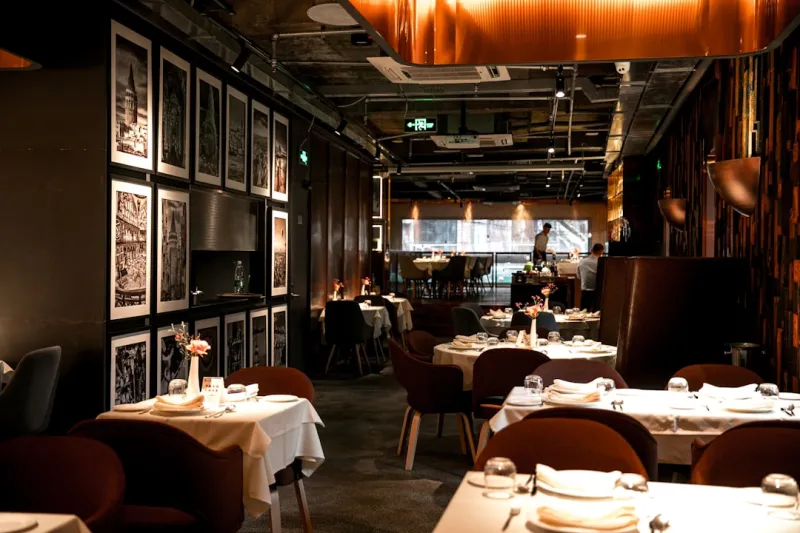
Why the City’s Restaurants Feel Like a Live Stage
Walking down the main boulevard these days feels less like a commute and more like strolling through an ever‑changing theater where the set design is edible, the lighting is curated by the chef’s plating, and the audience is an eclectic mix of locals and tourists who arrive with appetites for both flavor and meaning; every storefront window becomes a billboard for the story the kitchen is eager to tell, and the hum of conversation doubles as a soundtrack that underscores each dish’s emotional arc. Storytelling on the plate has moved from a niche concept to the default expectation, and this shift has turned ordinary brunch spots into immersive experiences that demand attention not just from the palate but from the imagination. As I sip a rosemary‑infused espresso, I can’t help but notice how the subtle aroma serves as a prologue, teasing the narrative that will unfold with each subsequent bite.
The Narrative of Modern Menus
Menus have transformed from simple listings into chapters of a novel, with each course acting as a paragraph that builds tension, offers resolution, and occasionally throws in a surprising twist that challenges the diner’s preconceptions; this evolution is evident in places where the dish names are riddles, the descriptions are poetic, and the order in which items appear feels deliberately paced to guide the guest through a culinary storyline. A recent visit to a downtown bistro reminded me of this when the chef presented a “Memory Lane” tasting, a sequence that began with a nostalgic carrot‑ginger soup reminiscent of childhood kitchens and culminated in a smoky beet‑reduction that evoked the scent of a distant forest, each plate deliberately linked to the next through flavor bridges and visual cues. For those curious about the mechanics behind such seamless storytelling, the piece The Secret Sauce Behind Today’s Story‑Driven Fine Dining dives deep into the philosophy and execution.
From Ingredient to Storyline
Chefs now treat each ingredient as a character with its own backstory, sourcing produce from farms that have their own legacies, and then weaving those histories into the dish’s narrative arc; the farm‑to‑table movement has become less about transparency and more about enriching the tale that diners experience, turning a humble heirloom tomato into a protagonist that recalls generations of family labor and soil stewardship. When I tasted a slow‑braised lamb shoulder infused with rosemary harvested from a hillside garden just outside the city, I could taste the sun‑baked earth and hear the farmer’s laughter in the background, a sensory reminder that food is as much about memory as it is about nutrition. This approach mirrors the ideas explored in When a Plate Becomes a Story: The Fine‑Dining Evolution, where the author explains how chefs craft narratives that begin long before the plate reaches the table.
The Rise of Experiential Dining
Experiential dining has surged as patrons seek more than just a meal; they crave a multisensory adventure that blends taste, sight, sound, and even touch, turning an ordinary dinner into a memorable chapter of their personal story, and restaurants are responding by integrating elements like live music, interactive plating, and theatrical service that blur the lines between restaurant and performance art. One venue I visited recently installed a kinetic sculpture that released aromatic vapors in sync with each course, creating an olfactory rhythm that matched the chef’s culinary tempo, making the entire dining room feel like a living organism breathing alongside its guests. Such innovations echo the insights from the article Dining as Narrative: How Restaurants Turn Meals into Stories, which highlights how immersive environments amplify the emotional impact of each bite.
Technology’s Role in Crafting the Tale
Digital menus, QR‑code storytelling, and augmented reality projections have become the new parchment upon which chefs write their sagas, allowing diners to scan a plate and instantly access a video of the ingredient’s journey from farm to fork, a short poetical description, or a behind‑the‑scenes interview with the culinary team, thereby deepening engagement and providing layers of context that were once reserved for exclusive chef’s tables. In a sleek downtown loft, I watched as a tablet displayed a 3‑minute montage of seaweed being harvested at dawn, the tide rolling in, and the chef’s hands expertly transforming it into a delicate foam that crowned the main course, turning what could have been a simple garnish into a vivid narrative moment. This marriage of tech and taste aligns with the broader trend discussed in The Rise of Storytelling on the Plate: A Restaurant Lover’s Perspective, where the author argues that technology is the modern storyteller’s brush.
Local Heroes, Global Narratives
While global culinary trends continue to influence menus, many restaurateurs are championing hyper‑local stories that celebrate regional heritage, seasonal bounty, and community resilience, turning a simple corn husk into a symbol of agricultural perseverance and a reminder of cultural rituals passed down through generations, thereby inviting diners to become participants in a living tradition. During a recent farm‑to‑table pop‑up, the chef explained that each dish was designed to mirror a local legend, from a spicy pepper stew that echoed the tale of a mountain fire to a delicate honey‑lavender tart that honored the town’s historic beekeeping guild, weaving folklore into flavor with every spoonful. This focus on place‑based storytelling is a recurring theme in the piece The Best Restaurants That Turn Meals Into Memorable Stories, which showcases eateries that successfully bridge the gap between community identity and culinary creativity.
The Power of Community Tables
Shared seating arrangements have reemerged as a narrative device, fostering conversation among strangers and creating a collective story that evolves with each exchange, as diners swap anecdotes, recommend dishes, and collectively witness the chef’s performance, turning the restaurant into a living anthology of voices and experiences; this communal atmosphere not only enhances the social fabric of the city but also reinforces the idea that food is a universal language capable of bridging cultural divides. I recently joined a communal table at a vibrant tapas bar where the bartender narrated the origin of each small plate, prompting a lively debate about spice levels and prompting strangers to trade stories about their own culinary adventures, all while the kitchen orchestrated a symphony of sizzling sounds and aromatic bursts. Such experiences underline the sentiment expressed in the article Savoring Stories: My Journey Through the Best Restaurants, which celebrates the magic that emerges when diners become co‑authors of the evening.
Why It All Matters to the Modern Food Lover
In an age where content is consumed at lightning speed, diners crave depth, authenticity, and a sense of participation that transcends the fleeting scroll, and restaurants that embed storytelling into their DNA provide a sanctuary where meals become milestones, conversations become chapters, and every visit feels like turning a fresh page in a personal culinary diary, ultimately fostering loyalty and a deeper appreciation for the craft. The emotional resonance created by a well‑told food story can transform a single night out into a lifelong memory, prompting patrons to return not just for the taste but for the feeling of being part of something larger, a shared narrative that continues to evolve with each new dish. As I reflect on the myriad plates that have spoken to me this season, I recognize that the true power of a restaurant lies not merely in its ability to feed, but in its capacity to inspire, connect, and narrate the ever‑changing story of our collective appetites.
Looking Ahead: The Next Chapter in Culinary Storytelling
Future trends point toward even more immersive, personalized narratives, where AI‑driven flavor profiles predict emotional responses, and diners receive bespoke story arcs based on their preferences, creating a dynamic dialogue between chef and guest that evolves night after night, turning the restaurant into a living laboratory of taste and imagination. Imagine a menu that adapts in real time, suggesting a dessert that mirrors the mood of the conversation at your table, or a chef’s table where holographic projections of distant landscapes accompany each course, transporting you to the origin of the ingredients as you savor them, blurring the boundaries between reality and storytelling. As this evolution unfolds, the core principle remains unchanged: great food tells a story, and the most compelling narratives will always be those that honor the human connection at the heart of every shared meal.

When it comes to the world of blogging and writing, Rose DesRochers is a name that stands out. Her passion for creating quality content and connecting with her audience has made her a trusted voice in the industry. Aside from her skills as a writer and blogger, Rose is also known for her compassionate nature.
Related Posts

Data‑Driven Personalization: Crafting Menus That Know You Better Than You Know Yourself
Explore the rise of data‑driven personalization in restaurants, from tech behind the scenes to rea... Read More
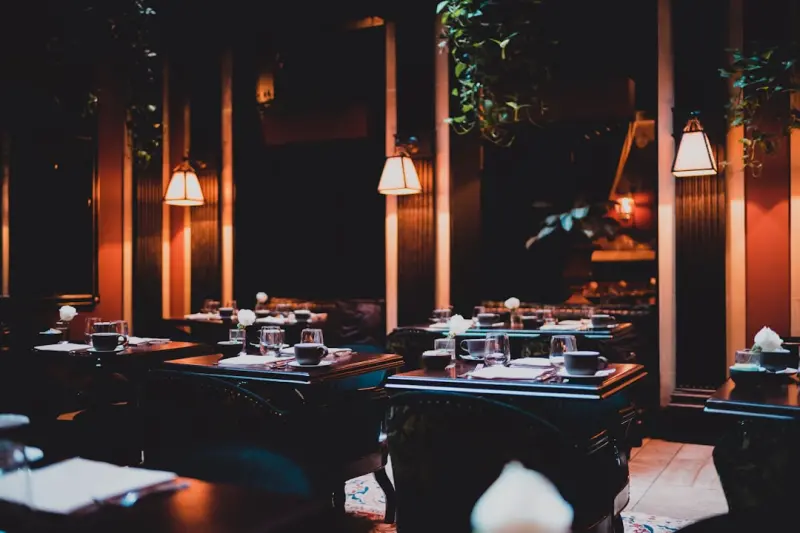
The Hidden Power of Restaurant Soundtracks: How Curated Audio Transforms Dining
Explore the impact of curated restaurant soundtracks on mood, flavor perception, and guest loyalty, ... Read More
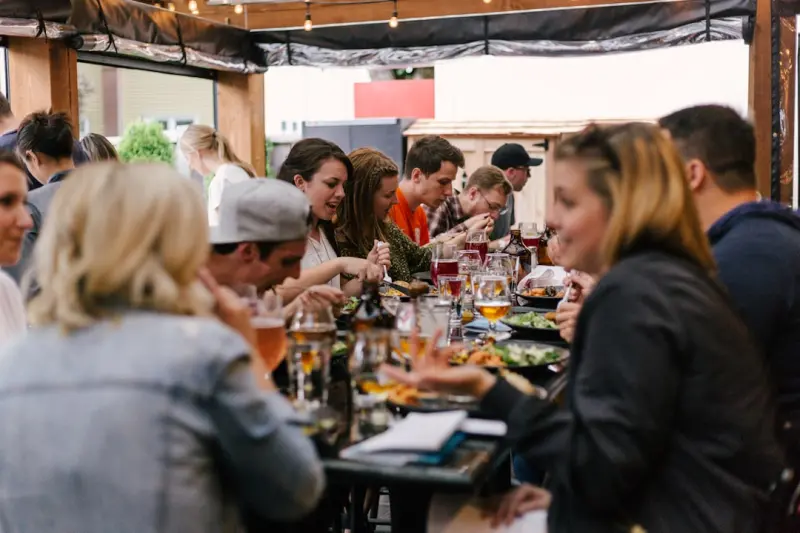
The Rise of Community Tables: Redefining Social Dining
Explore the growing trend of community tables in restaurants, where shared seating creates deeper co... Read More
Top Posts
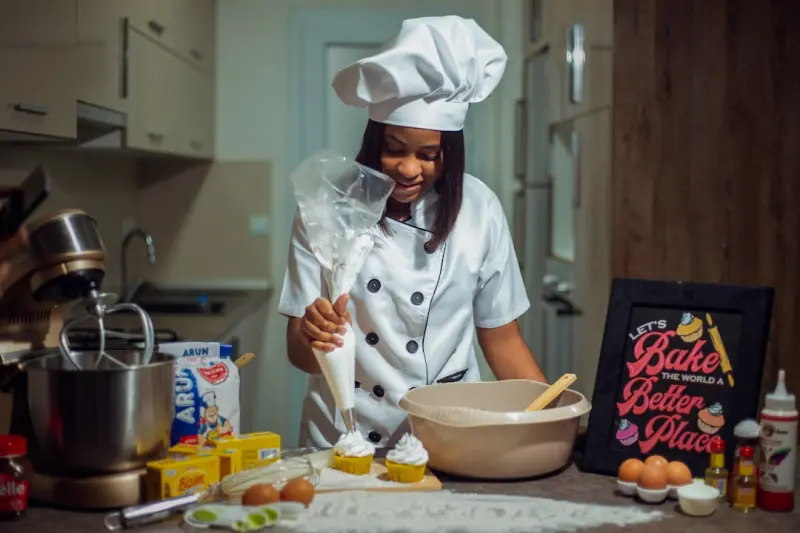
The Chef’s Personality: How Pop‑Up Residencies Are Redefining the Best Restaurants
Explore the rise of chef‑led pop‑ups, where personality, community, and hyper‑local sourcing turn fleeting eateries into the city’s most coveted dining ...Read More
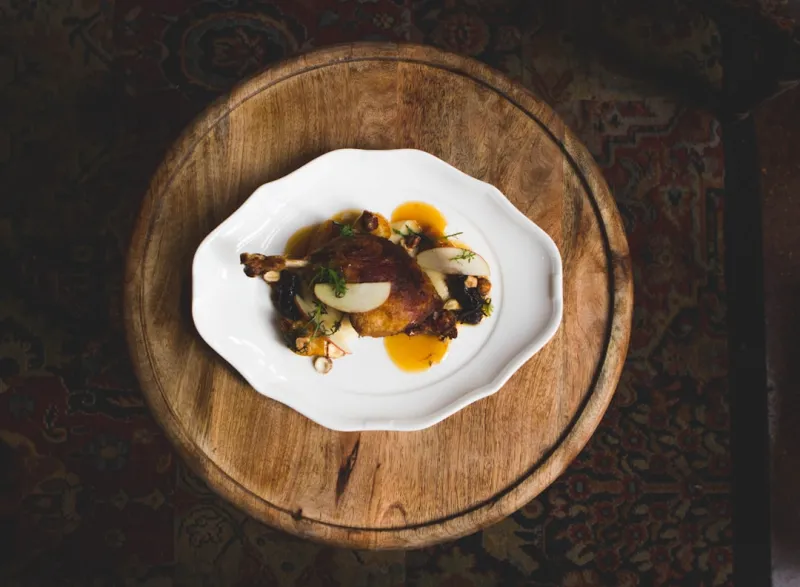
The Art of Storytelling on the Fine‑Dining Plate
Discover why today’s top fine‑dining spots treat each dish as a story, weaving ingredients, ambience, and service into an unforgettable culinary narrative....Read More

When the Plate Becomes a Stage: The Rise of Culinary Theater
Fine dining is evolving into a stage where chefs perform, tableware acts, and technology dazzles, turning each meal into an unforgettable theatrical story....Read More
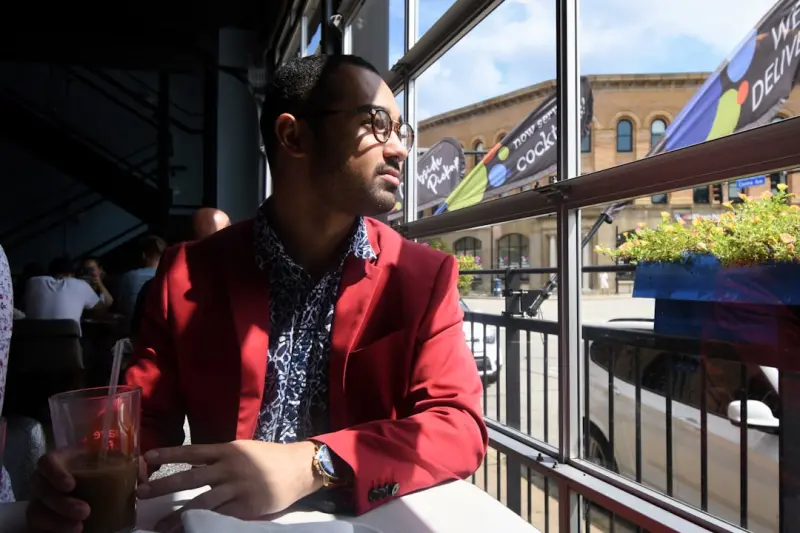
Chef’s Table & Pop‑Up Magic: Top Restaurants Redefined
Explore how chef’s tables and pop‑up eateries create intimate, immersive dining experiences that elevate flavor, design, and accessibility for food lovers....Read More
0 Comments
Post Comment
You will need to Login or Register to comment on this post!