

In the world of dining out, a restaurant’s success hinges on more than just the food on the plate. While delectable cuisine is undoubtedly a cornerstone of a memorable meal, the experience is elevated by a symphony of elements that work in harmony. A good restaurant is defined by its ability to blend quality ingredients, exceptional service, and culinary creativity into an unforgettable experience. From the moment a guest steps through the door, every detail—from the freshness of the produce to the warmth of the staff—contributes to the restaurant’s identity. This article explores the key factors that elevate a restaurant from being merely satisfactory to truly outstanding, highlighting how these components intertwine to create excellence.
The Foundation: Quality Ingredients and Fresh Produce
At the heart of any great restaurant lies an unwavering commitment to quality. This begins with the sourcing of ingredients. Establishments that prioritize high-quality, fresh produce set themselves apart by ensuring that every component of their menu reflects care and intentionality. Chefs and operators who forge relationships with local farmers, fishmongers, and artisans understand that superior ingredients form the bedrock of exceptional dishes. Seasonal menus, for instance, showcase the peak flavors of nature, allowing chefs to craft dishes that are not only vibrant in taste but also aligned with sustainable practices.
Freshness is not merely a buzzword; it is a standard. A tomato picked at dawn and sliced onto a salad that evening carries a depth of flavor that a store-bought alternative cannot replicate. Similarly, seafood caught locally and prepared on-site elevates a dish from ordinary to extraordinary. Restaurants that emphasize transparency in their sourcing—whether through farm-to-table programs, in-house gardens, or detailed ingredient descriptions on menus—build trust with their guests. This dedication to quality signals a respect for both the diner and the culinary craft, creating a foundation upon which the rest of the experience can thrive.
Culinary Craftsmanship and Consistency
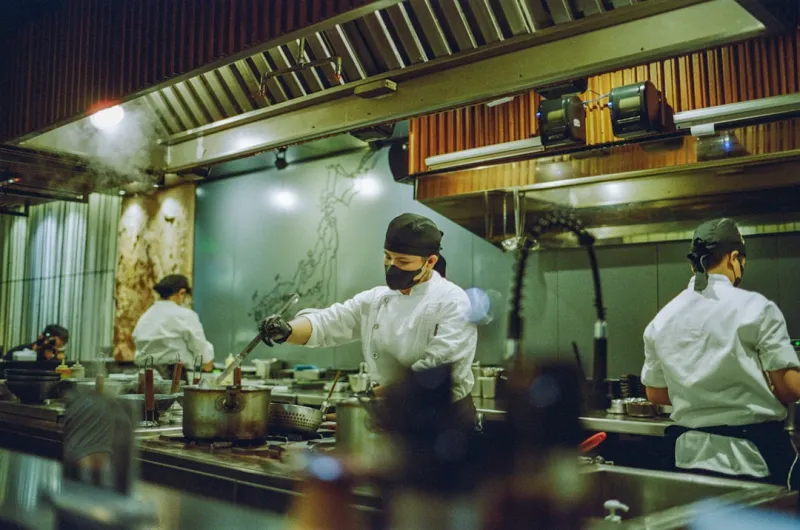
Quality ingredients alone cannot guarantee a successful dining experience. They must be transformed by skilled hands and creative vision. Culinary craftsmanship—the art of elevating raw components into something extraordinary—is what separates a competent chef from a master. A good restaurant invests in chefs who possess not only technical expertise but also a passion for innovation. Precision in knife work, mastery of cooking techniques, and an understanding of flavor balance all contribute to a dish that feels deliberate and nuanced.
Consistency is equally vital. A restaurant can impress with a one-of-a-kind tasting menu, but it must deliver the same level of excellence daily. Diners return to establishments where they can reliably expect a perfectly cooked steak, a soup that harmonizes contrasting textures, or a dessert that balances sweetness and acidity. Consistency instills confidence, fostering loyalty and turning occasional visitors into regulars. It also reflects the restaurant’s professionalism and commitment to its standards.
The Impact of Exceptional Customer Service
Even the most technically perfect meal can falter without the right atmosphere and service. Customer service is the human element that transforms a meal into a memorable experience. A good restaurant staffs its front-of-house team with individuals who are not only courteous but also adept at anticipating guest needs. Attentive servers strike a balance between being present and unobtrusive, offering recommendations without overwhelming diners with excess information. They demonstrate knowledge of the menu, wine pairings, and the chef’s philosophy, enhancing the guest’s appreciation for the meal.
Moreover, exceptional service extends beyond the waitstaff. From the host who greets guests with a warm smile to the bartender who crafts a bespoke cocktail, every team member contributes to the seamless experience. Restaurants that invest in staff training—focusing on communication, problem-solving, and personalization—excel in creating a hospitable environment. When staff go the extra mile to accommodate dietary restrictions, celebrate special occasions, or simply engage in meaningful conversation, they transform the dining experience from routine to remarkable.
Innovation and the Allure of Unique Dishes
In a crowded culinary landscape, differentiation is key. A good restaurant often stands out by offering dishes that are not only flavorful but also unique. This could manifest through creative plating, unexpected flavor combinations, or a reimagining of traditional cuisine. Signature dishes, for instance, act as culinary ambassadors for the establishment, drawing in curious diners and becoming the hallmark of the restaurant’s identity.
Innovation is not about chasing trends for the sake of novelty; it is about elevating the dining experience through imagination. A chef who reinterprets a classic dish with a modern twist or introduces globally inspired flavors to a local menu demonstrates a willingness to take risks. Restaurants that embrace storytelling—whether by explaining the inspiration behind a dish or sharing the history of a traditional recipe—add depth to the meal, transforming it into a narrative. This creativity not only delights the palate but also engages the senses and intellect, leaving a lasting impression on guests.
The Holistic Experience: Ambiance and Atmosphere
While ingredients, service, and culinary skill are critical, the physical and emotional environment of a restaurant cannot be overlooked. Ambiance plays a subtle yet powerful role in shaping the guest experience. From lighting and décor to music and spacing, these elements set the tone for the meal. A cozy bistro with intimate seating and soft lighting evokes a different mood than a sleek, open-concept eatery with minimalist design. The best restaurants curate an atmosphere that complements their cuisine, whether it’s rustic and earthy or refined and contemporary.
Beyond aesthetics, the service flow and pacing of the meal contribute to the overall atmosphere. Courses that arrive at the right intervals, a well-trained kitchen that avoids delays, and a front-of-house team that ensures comfort all create a rhythm that enhances the dining experience. When every element—from the first sip of an amuse-bouche to the final bite of dessert—is orchestrated with care, guests leave feeling not only satisfied but also transported.
The Final Course: Sustainability and Social Responsibility
Modern diners increasingly value restaurants that contribute positively to the world around them. Sustainability and social responsibility have become integral to the definition of a “good” restaurant. Establishments that minimize food waste, source ingredients ethically, and support local communities resonate with guests who seek meaningful experiences. Whether through composting programs, zero-waste initiatives, or partnerships with charitable organizations, these practices reflect a commitment to values that extend beyond the plate.
Conclusion: A Perfect Harmony of Elements
What makes a good restaurant good, then, is a masterful integration of quality ingredients, culinary artistry, exceptional service, and a thoughtfully designed experience. It is a place where fresh produce shines in innovative dishes, where staff members make guests feel seen and valued, and where every detail—from the first greeting to the final check—creates a cohesive narrative. In a world where dining out is both a necessity and a luxury, the best restaurants understand that they are not just selling food but curating an experience. By balancing tradition with creativity, precision with warmth, and ambition with sustainability, they earn the loyalty of diners and the admiration of the culinary world. Ultimately, a great restaurant is not defined by one standout element but by the harmony of all its parts, working together to create moments that linger long after the last bite.

When it comes to the world of blogging and writing, Rose DesRochers is a name that stands out. Her passion for creating quality content and connecting with her audience has made her a trusted voice in the industry. Aside from her skills as a writer and blogger, Rose is also known for her compassionate nature.
Related Posts

The Rise of Community Tables: Redefining Social Dining
Explore the growing trend of community tables in restaurants, where shared seating creates deeper co... Read More

From Seed to Plate: How Urban Farm‑To‑Table Restaurants Are Redefining Freshness
Explore the rise of urban farm‑to‑table restaurants, where on‑site gardens deliver unparallele... Read More

Becky Putman's 2024 Restaurant Renaissance: A Flavor‑First Journey Through Trends
Becky Putman uncovers 2024’s restaurant renaissance, highlighting flavor‑first philosophy, susta... Read More
Top Posts

Beyond Points: How Restaurants Turn Data Into Personal Dining Experiences
Explore the shift from traditional loyalty points to data‑powered, experience‑focused rewards, and learn how restaurants can craft unforgettable moments tha...Read More

Snap‑Worthy Bites: The Best Restaurants for Food‑Photography Lovers
Explore city and scenic eateries that pair perfect lighting, artful plating, and Instagram‑ready settings, offering food‑photographers unforgettable visual ...Read More

A Flavor‑First Journey Through the Hottest Restaurants
Dive into a flavor‑first adventure that uncovers hidden culinary gems, where each dish tells a story and every restaurant feels like a living narrative....Read More
The Pursuit of Culinary Perfection: My Top Picks for the Best Restaurants
Join me on a culinary journey as I share my top picks for the best restaurants around the world. From exceptional service to innovative cuisine, learn what make...Read More
0 Comments
Post Comment
You will need to Login or Register to comment on this post!