
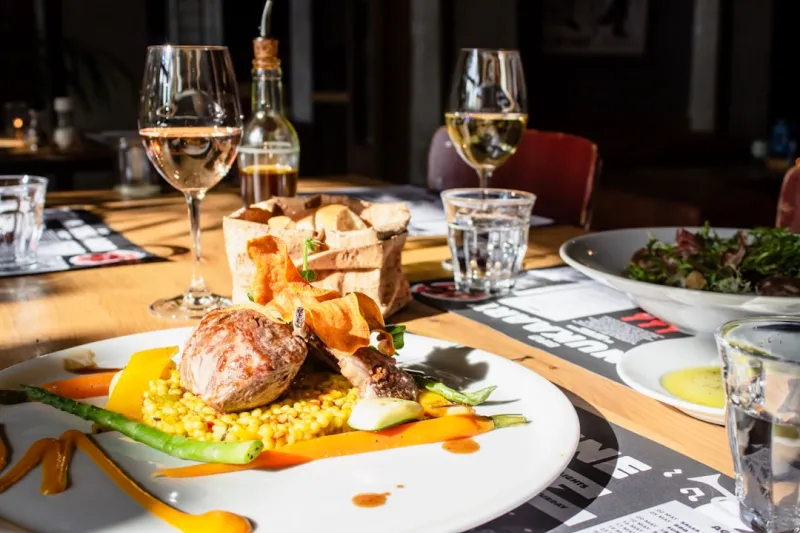
Why Narrative Dining Is the New Normal
When I first stepped into a restaurant that offered more than a menu, I felt like I’d entered a living storybook where each course was a chapter, each garnish a plot twist, and the ambience the setting that whispered clues to the palate. I’ve spent years chasing flavor‑first adventures, and what struck me most was how chefs now weave personal histories, cultural myths, and even scientific curiosity into the very fabric of a dish, turning dinner into a conversation between the plate and my imagination. This shift toward storytelling cuisine isn’t a fleeting trend; it’s a cultural movement that invites diners to become participants, not just observers, in the culinary narrative.
The Power of a Well‑Crafted Tale on a Plate
Imagine tasting a smoked sea‑salt caramel that instantly transports you to a moonlit beach in a remote fishing village, complete with the distant call of gulls and the salty breeze that brushes against your skin—this is the magic of narrative dining, where taste becomes memory in real time. The chef’s deliberate choice of ingredients, plating technique, and even the sequence of dishes act like a writer’s plot devices, guiding you through suspense, climax, and resolution without a single word spoken. It’s no wonder that restaurants embracing this philosophy are quickly becoming the talk of the town, and I’ve seen firsthand how a single story‑driven meal can turn a casual outing into a lifelong recollection.
How Restaurants Are Curating Experiences
Behind the scenes, the most successful establishments treat their kitchens like editorial rooms, brainstorming story arcs before a single spoon ever touches the broth. They collaborate with historians, botanists, and even local artisans to source ingredients that carry authentic narratives, ensuring that each bite is rooted in a deeper context that diners can feel and discuss. This meticulous curation not only elevates the culinary art but also creates a ripple effect, encouraging patrons to share their experiences across social platforms, thereby amplifying the restaurant’s voice in the digital age.
From Concept to Table: The Journey of a Story‑Driven Dish
Take, for example, a dish I recently tasted that began with a humble beetroot puree, representing the earthy roots of a farmer’s legacy, followed by a crisp duck confit that symbolized the migration of flavors across continents, and finished with a citrus‑infused foam that echoed the optimism of a new generation of chefs. The chef explained that each element was meticulously timed to mirror the rhythm of a novel’s pacing—slowly building intrigue before delivering a satisfying crescendo. Such intentional design transforms the ordinary act of eating into an immersive, multisensory narrative that lingers long after the last crumb is cleared.
Why Storytelling Resonates With Modern Diners
Today’s diners crave authenticity, connection, and a sense of purpose, all of which are seamlessly delivered through a well‑told culinary story. In an era where content is king, a restaurant that can craft a compelling narrative around its menu not only stands out in a crowded market but also fosters a loyal community eager to return for the next episode. This appetite for meaning explains why establishments that prioritize narrative are consistently featured in round‑ups like The Best Restaurants That Turn Meals Into Memorable Stories, cementing their status as cultural landmarks.
The Role of Technology in Enhancing Narrative Dining
Augmented reality menus, interactive table projections, and scent‑diffusing systems are now commonplace tools that help chefs illustrate the backstory of each dish in vivid detail, turning the dining room into a theater of senses. By blending digital storytelling with traditional cooking techniques, these innovations enable guests to visualize the journey of ingredients from farm to fork, deepening the emotional impact of each bite. While some purists worry about technology diluting the essence of food, I’ve found that when used thoughtfully, it amplifies the narrative rather than distracts from it.
Connecting Community and Culture Through Food Stories
One of the most rewarding aspects of narrative dining is its ability to bridge cultural gaps, offering diners a passport to distant lands without ever leaving their city’s streets. When a chef shares the story of a grandmother’s secret spice blend or a regional festival that inspired a particular plating style, they invite guests into a shared heritage that fosters empathy and curiosity. This communal storytelling not only enriches the palate but also cultivates a sense of belonging, turning restaurants into cultural hubs where diverse voices are celebrated around a single table.
Practical Tips for Diners Who Want to Dive Deeper
If you’re eager to experience the full depth of a restaurant’s narrative, start by asking the staff about the inspiration behind each course; most chefs love to discuss the origins of their creations. Pair your curiosity with a willingness to savor slowly, allowing the layers of flavor and story to unfold at their own pace rather than rushing through the menu. And don’t forget to share your own reflections—whether through a thoughtful review or a social‑media post—because your perspective becomes part of the ongoing story that the restaurant is building.
Looking Ahead: The Future of Narrative Dining
The momentum behind story‑centric cuisine shows no signs of slowing, and I anticipate that the next wave will involve even more collaborative experiences, where diners co‑create dishes alongside chefs, adding personal anecdotes that become part of the menu’s evolving script. As sustainability and locality continue to dominate culinary conversations, the stories we tell through food will increasingly highlight environmental stewardship and community resilience. By embracing these narratives, restaurants not only enrich our taste buds but also empower us to become more mindful, connected participants in the ever‑changing saga of food culture.

Becky Putman is an Ottawa-based freelance writer and marketing professional with a passion for storytelling, animals, and community involvement. She enjoys creating engaging content that informs, inspires, and connects with readers.
Related Posts
How Restaurants Use Music to Shape Your Dining Experience
Explore the hidden power of restaurant playlists and live music, and how soundscapes can transform f... Read More

When the Line Becomes Part of the Meal: Redefining Restaurant Wait Times
Explore the innovative ways eateries turn queues into immersive pre‑meal rituals, using design, te... Read More
Rose DesRochers’ 2024 Restaurant Renaissance: Flavor, Story, and Innovation
Rose DesRochers reveals how 2024’s dining scene blends storytelling, sustainability, and tech, off... Read More
Top Posts

When Sound Meets Flavor: How Music Curates the Best Restaurant Experience
A personal look at how soundscapes shape the dining experience, revealing why the right playlist can make a dish sing and how savvy restaurateurs use acoustics ...Read More
The Art of Storytelling on a Plate: How Fine Dining Becomes a Narrative Experience
Discover how fine dining can become a narrative journey, with each course acting as a chapter in an unforgettable culinary story....Read More
The Rise of Storytelling on the Plate: A Restaurant Lover’s Perspective
Discover how restaurants are turning meals into immersive stories, blending flavor, culture, and tech to create unforgettable dining experiences that resonate l...Read More
When a Meal Becomes a Narrative Adventure
Fine dining is more than taste; it’s a storytelling journey where every course, setting, and service detail weaves a narrative that lingers long after the las...Read More
0 Comments
Post Comment
You will need to Login or Register to comment on this post!