
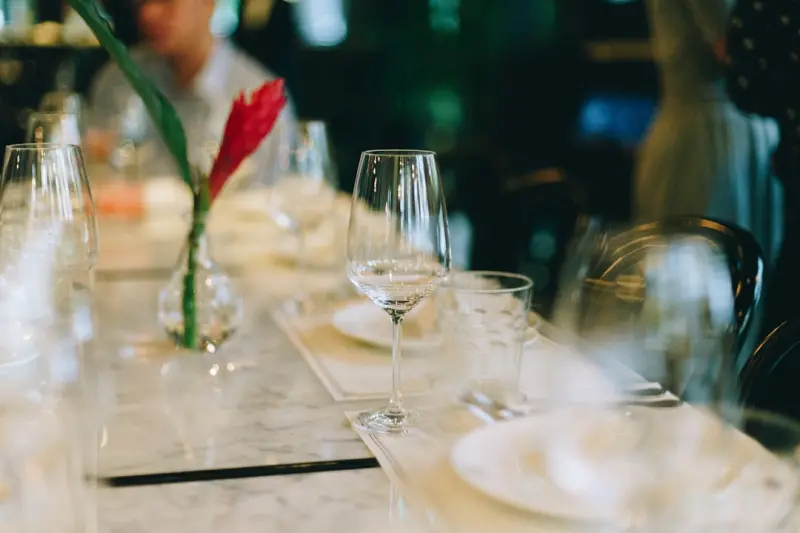
When a Meal Becomes a Chapter
Walking into a fine‑dining room feels like stepping onto a stage where every seat is a front‑row view. I notice the hush, the soft lighting, the way the maître d’ greets you like an usher to a theater. The menu arrives not as a list, but as a prologue hinting at the journey ahead. Each course is a scene, each ingredient a character with a motive. My own palate begins to anticipate the plot twists hidden in sauces and textures. This is why I treat a reservation as a story‑telling appointment, because the experience can turn a simple dinner into a narrative adventure. I’ve learned to read the subtle cues—a garnish placed at the edge like a footnote, a palate cleanser that signals a transition, a dessert that resolves the emotional arc. In that moment, the restaurant ceases to be a venue and becomes a living novel that I, as the reader, can taste.
The Rise of Narrative Dining
Over the past few years, chefs worldwide have embraced the idea that food can be a storytelling medium. The Rise of Narrative Dining: How Restaurants Turn Meals Into Stories captures this shift perfectly, showing how menus now read like short stories rather than ingredient lists. I love how the chef’s inspiration—whether a childhood memory, a literary classic, or a cultural myth—translates into plating decisions that guide the diner’s imagination. The rise is not a fleeting trend; it’s a cultural movement that respects the guest’s intellect and emotional depth. When a chef explains the symbolism behind a smoked rosemary foam, I feel invited to participate in a dialogue, not just a transaction. This collaborative storytelling deepens my connection to the cuisine and makes every bite feel purposeful, as if I’m turning a page in a carefully crafted novel.
The Art of Dining: Every Plate Tells a Story
In my experience, the most memorable plates are those that whisper a backstory before the fork even touches them. The visual composition—color, geometry, negative space—acts like a cover illustration, promising intrigue. I often reference The Art of Dining: How Every Plate Tells a Story when describing how a dish can convey romance, conflict, or resolution through its form. For instance, a deconstructed lemon tart might represent a fractured memory, while a perfectly symmetrical beet sphere could symbolize balance and harmony. The chef’s choice of garnish isn’t decorative; it’s a footnote that adds context. When I taste a subtle hint of lavender that recalls a summer garden, I’m reminded that flavors can evoke sensory memories just as vividly as words. This layered storytelling makes each course an immersive chapter, compelling me to linger, reflect, and savor the narrative as much as the taste.
A Narrative Journey at a Landmark Table
One of my favorite evenings was spent at a restaurant that deliberately framed its tasting menu as a literary journey. The host presented a small booklet titled “The Narrative Journey,” outlining each course’s theme—“Prologue: Dawn of the Sea,” “Conflict: Embered Forest,” “Resolution: Sweet Reprieve.” I felt like a protagonist moving through scenes, guided by the chef‑author’s imagination. The sea‑inspired amuse‑bouche arrived on a slate, the briny oysters echoing a tide’s rhythm, while a smoky charcoal broth followed, representing the looming conflict of the plot. The climax arrived with a daring umami‑rich lamb, its richness punctuated by a bitter herb that felt like a twist. Finally, a delicate honey‑infused panna cotta served as the cathartic resolution, leaving me both satisfied and contemplative. This experience reminded me why I cherish fine dining that embraces narrative; it turns a meal into a story I can recount long after the plates are cleared.
Chefs as Authors: Crafting Culinary Plots
When I sit down with a chef, I often think of them as authors who draft their stories in the language of flavor. They spend months researching, experimenting, and revising—much like writers editing a manuscript. The process begins with an outline: selecting a season, a cultural motif, or an emotional tone. Then, ingredients become words, each chosen for its ability to convey meaning. I’ve watched chefs test a sauce repeatedly until it sings the right note, akin to a writer polishing dialogue. Their kitchen staff acts as editors, ensuring consistency and pacing across the courses. The final plating is the printed page, where design and typography (the plating style) affect readability. This metaphor deepens my appreciation for the discipline behind each dish and the intentionality that transforms a simple dinner into a compelling narrative experience.
The Secret Narrative Behind Every Fine‑Dining Plate
Every plate hides a secret narrative waiting to be uncovered, and recognizing it enriches the dining experience. The Secret Narrative Behind Every Fine‑Dining Plate explores how subtle cues—like the placement of a micro‑herb or the temperature contrast between components—signal deeper layers of meaning. I often find myself decoding these hints: a speck of edible gold might symbolize opulence, while a smear of beet puree could hint at earthiness or nostalgia. The chef may embed personal anecdotes, such as using a family‑grown pepper that recalls a childhood garden. By paying attention to these details, I feel like a literary critic analyzing symbolism, turning the act of eating into a thoughtful exploration. This awareness transforms a fleeting taste into an enduring story that lingers in memory long after the meal ends.
From Plate to Plot: My Journey Through Storytelling Restaurants
My own culinary pilgrimage reads like a travelogue filled with narrative hotspots. In From Plate to Plot: My Journey Through the Best Storytelling Restaurants, I chronicled each stop, noting how each chef’s vision differed yet shared a common goal: to make food memorable as literature. One city offered a menu inspired by mythic heroes, another presented a seasonal saga that mirrored the surrounding landscape. I learned to ask the right questions—what inspired this dish, what story does it tell, how does it fit into the overall arc? These inquiries helped me connect more deeply with the chefs and their creations. The result is a personal archive of plates that read like chapters, each with its own climax, conflict, and resolution, shaping my understanding of fine dining as an evolving narrative art form.
Finding the Best Restaurants That Turn Meals Into Stories
If you’re seeking venues where food feels like a novel, start by scouting restaurants that emphasize storytelling in their branding. Best Restaurants That Turn Meals Into Stories provides a curated list of establishments that have mastered this craft. Look for menus that include descriptive prose, chefs who share their inspirations, and spaces designed to evoke a particular mood or era. I recommend checking reviews that mention “concept,” “theme,” or “narrative” rather than just “flavor.” Once you’ve booked a table, arrive with an open mind, ready to engage with the story being served. Bring a notebook if you like; jotting down impressions helps you capture the plot twists and character developments of each dish. By approaching the experience as a reader, you’ll discover layers you might otherwise miss, turning dinner into a lasting literary memory.
The Future of Fine Dining as a Literary Art
Looking ahead, I see fine dining evolving alongside technology and cultural shifts, yet its core as a narrative art will remain unchanged. Augmented reality menus could overlay visual stories onto plates, while sustainable sourcing will add an ethical subplot to the dining narrative. Chefs may collaborate with writers, musicians, and visual artists to create multisensory epics that engage all five senses. I anticipate a rise in pop‑up experiences that tell a story over a single night, inviting diners to become characters within the tale. As the industry embraces these innovations, the essential promise stays the same: to transport guests into a world where flavors, aromas, and textures weave together like words on a page. By staying attuned to these trends, we can continue to celebrate and support restaurants that treat each course as a chapter worth savoring.

Becky Putman is an Ottawa-based freelance writer and marketing professional with a passion for storytelling, animals, and community involvement. She enjoys creating engaging content that informs, inspires, and connects with readers.
Related Posts
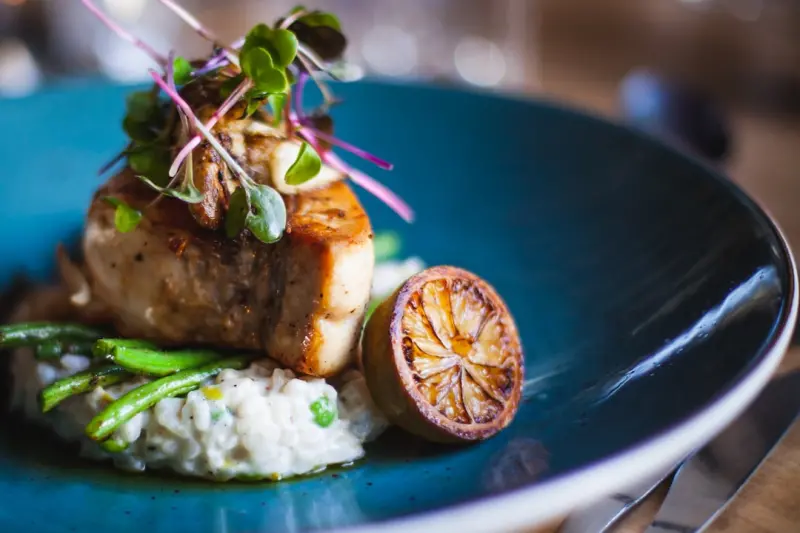
When Fine Dining Becomes a Narrative Journey
Discover how fine dining evolves into a storytelling adventure, where menus, wine pairings, and serv... Read More
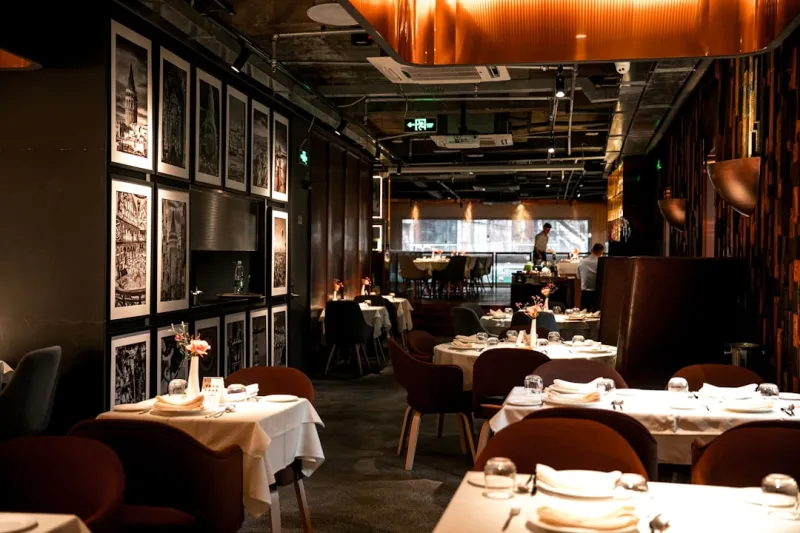
When Fine Dining Becomes a Storytelling Adventure
Discover the rise of narrative dining, where chefs act as storytellers and every plate whispers a ta... Read More
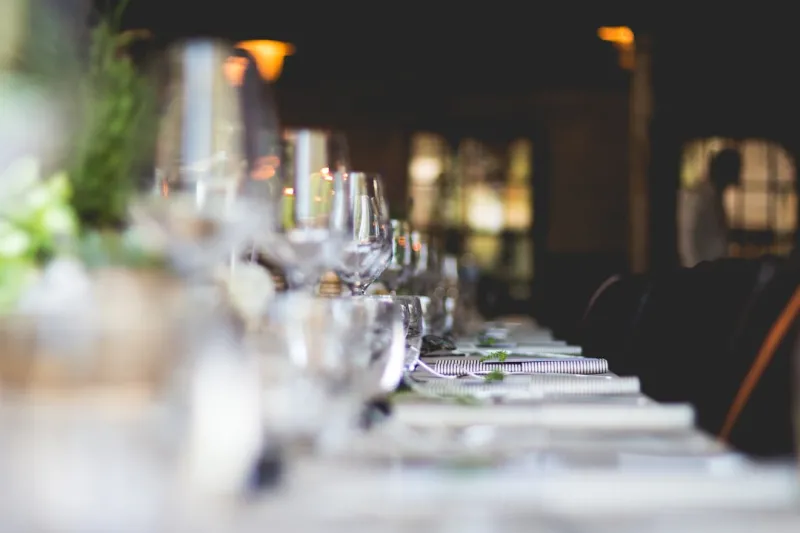
Why 2026 Is the Year Fine Dining Becomes a Sensory Storytelling Feast
In 2026 fine dining transforms into a multisensory narrative, where flavor‑first dishes, immersive... Read More
Top Posts

Becky Putman's Insider Guide: How I Spot the Best Restaurants Before the First Bite
Becky Putman reveals her unique method for uncovering the best restaurants—listening to kitchen whispers, valuing storytelling, and championing community‑fo...Read More
The Best Restaurants Turning Meals Into Memorable Stories
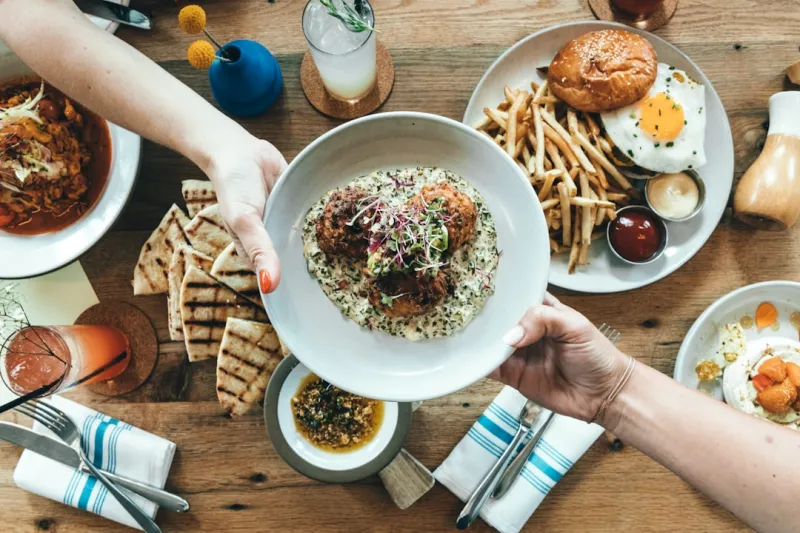
Explore the finest eateries where each dish is a narrative, the ambiance is a chapter, and the service guides you through an unforgettable culinary story....Read More
Crafting an Unforgettable Sensory Journey in Fine Dining
Fine dining isn’t just about food; it’s a carefully choreographed sensory adventure. Learn how chefs and designers weave light, aroma, texture, and timing i...Read More
The Hidden Power of Restaurant Soundtracks: How Curated Audio Transforms Dining
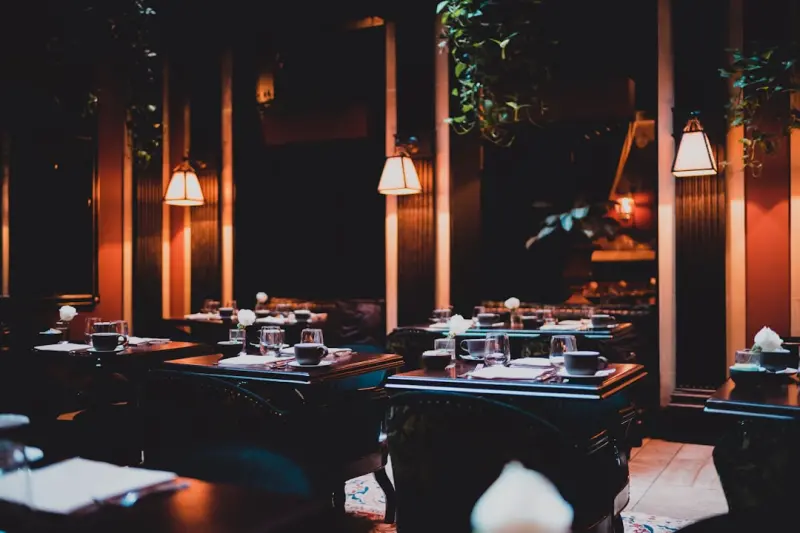
Explore the impact of curated restaurant soundtracks on mood, flavor perception, and guest loyalty, with actionable insights for both chefs and diners....Read More
0 Comments
Post Comment
You will need to Login or Register to comment on this post!