

Why I Chase the Ghosts of Forgotten Flavors
Ever since I walked into a modest, wood‑panelled eatery where the chef whispered the story of a century‑old rice cake, I’ve been haunted by the idea that a restaurant can be a time machine. Heritage recipes are more than nostalgic curiosities; they are living archives that encode the migrations, celebrations, and hardships of whole communities. In a world that often prizes the next trend, I find myself gravitating toward kitchens that dig deep, unearthing dishes that have been whispered down through families, then polished and presented with reverence. This pursuit feels personal, because each bite reconnects me to a lineage I never knew I belonged to, and it reminds me that food can be a profound conduit for cultural memory.
The Power of Culinary Archaeology
When a chef decides to resurrect a dish that vanished from menus decades ago, they become an archaeologist, carefully sifting through oral histories, aging cookbooks, and dusty pantry remnants. The process is meticulous: sourcing heirloom grains that are no longer mass‑produced, reviving fermentation methods that require weeks of patience, and honoring the original spice blends that defined regional palettes. By doing so, they not only preserve flavors but also validate the identities of the communities that birthed them, offering diners a rare glimpse into culinary lineages that might otherwise be lost. I’m constantly amazed at how these revived plates can spark conversations about migration, resilience, and the subtle ways food carries stories across generations.
My Checklist for Spotting Authentic Revival Restaurants
To separate genuine heritage revivals from gimmicky reinterpretations, I look for three tell‑tale signs: first, a chef who has invested years in research, often collaborating with elders, historians, or cultural institutes; second, a commitment to sourcing authentic ingredients, whether that means working with small farms that grow ancient varieties or importing spices directly from their region of origin; third, a menu that frames each dish with context, explaining its origins, traditional preparation, and the reason it matters today. When a restaurant checks these boxes, it signals a respectful partnership between past and present, rather than a fleeting Instagram trend. This rigorous lens helps me curate experiences that feel both educational and delicious.
Restaurant Spotlight: The Hearth of the Highlands
Located in a converted stone cottage on the edge of a mist‑shrouded valley, The Hearth of the Highlands has become my pilgrimage site for Scottish culinary heritage. Chef Alistair MacLeod spent five years interviewing remote farming families, learning the exact proportions of oatmeal, peat smoke, and wild herbs that once defined a humble breakfast called “cailleach porridge.” The dish is prepared over an open fire, with the oat grains toasted to a nutty aroma before being simmered in a broth enriched with locally foraged nettles. Every element, from the hand‑rolled oat bannocks to the side of fermented kelp, is meticulously crafted to mirror the flavors my ancestors might have savored on a cold winter’s night. The ambiance, with low‑lit stone walls and the soft hum of a fiddle, amplifies the sense of stepping back in time while still enjoying a polished, contemporary presentation.
Restaurant Spotlight: Saffron & Silk – A Membership‑Driven Journey
In the bustling heart of the city, Saffron & Silk operates on a curated membership model that grants diners exclusive access to a rotating menu of revived Persian street foods, many of which vanished after the 1970s. The chef‑owner, Leila Farouki, partners with a network of diaspora families to retrieve authentic recipes, then refines them for a modern palate without diluting their essence. Members receive a quarterly booklet detailing the historical backdrop of each featured dish, from the fragrant “kashk‑e‑bademjan” that once warmed caravan travelers to the delicate “sholeh‑zard” once served at royal celebrations. This approach not only rewards loyalty but also fosters a community of food historians who actively contribute stories and family secrets. You can learn more about how such exclusive dining experiences are shaping the scene by exploring restaurant membership clubs and their impact on culinary preservation.
Restaurant Spotlight: Terra Madre – Farm‑to‑Table Meets Ancestral Roots
On the outskirts of a thriving agricultural hub, Terra Madre blends hyper‑local sourcing with a mission to revive forgotten Italian peasant dishes, many of which are documented in obscure 19th‑century manuscripts. Chef Giulia Romano works directly with nearby cooperatives that grow heirloom varieties of beans, corn, and figs, ensuring each ingredient carries the genetic fingerprint of its region. One standout plate is the “pasta di farro al sugo di ortiche,” a noodle made from ancient spelt, tossed in a nettle‑infused tomato sauce that once fed entire villages during lean harvests. The restaurant’s commitment to authenticity extends beyond the plate; diners receive a small pamphlet describing the agrarian rituals tied to each ingredient, echoing the ethos found in hyper‑local harvests articles. The result is a dining experience that feels both rooted in tradition and vibrantly contemporary.
How Heritage Revivals Are Reshaping the Wider Food Landscape
As more chefs embark on culinary excavations, the ripple effect is evident across the industry: mainstream restaurants are beginning to incorporate ancestral techniques, like stone‑grinding spices or fermenting vegetables in earthenware, into their own menus. This diffusion encourages a broader audience to appreciate the depth and nuance of regional cuisines that were once confined to family tables. Moreover, food journalists and influencers are amplifying these stories, turning heritage dishes into conversation starters that bridge cultural gaps. The growing demand for authenticity also pressures suppliers to revive ancient grain varieties and traditional livestock breeds, creating a feedback loop that supports biodiversity and sustainable agriculture. In this way, the resurgence of heritage recipes is not a fleeting niche but a catalyst for systemic change, fostering a richer, more inclusive culinary ecosystem.
Tips for the Curious Diner Ready to Explore Heritage Restaurants
If you’re eager to taste history, start by researching chefs who have documented their research process—look for interviews, documentary features, or even community workshops they host. When you make a reservation, ask the staff for the story behind the dish; a knowledgeable server will gladly share the cultural context that elevates each bite. Don’t shy away from tasting unfamiliar flavors; embrace the opportunity to expand your palate and ask for recommended pairings that complement traditional ingredients. Finally, consider joining a dining club or a seasonal tasting group that focuses on heritage cuisine, as these communities often provide deeper insights, exclusive access, and the chance to contribute your own culinary memories to the collective narrative. By approaching each meal with curiosity and respect, you become part of the living archive that keeps these precious recipes thriving for generations to come.

Becky Putman is an Ottawa-based freelance writer and marketing professional with a passion for storytelling, animals, and community involvement. She enjoys creating engaging content that informs, inspires, and connects with readers.
Related Posts

Best Restaurants of 2024: Becky Putman's Flavor‑First Journey
Becky Putman reveals her 2024 top restaurant picks, highlighting community-driven eateries, tech‑i... Read More
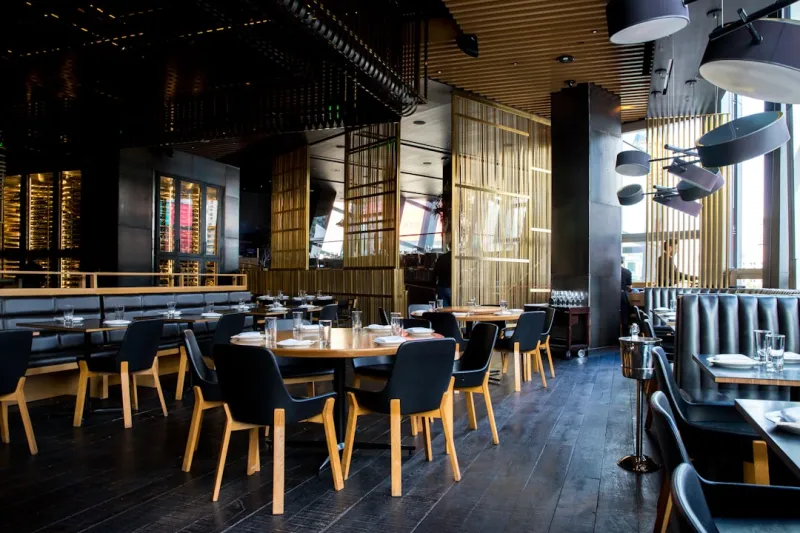
The Best Restaurants That Turn Dining Into a Storytelling Experience
Explore the hottest restaurants that turn meals into memorable stories, blending cuisine, ambiance, ... Read More

A Food Lover’s Guide to Restaurants That Turn Meals Into Stories
Dive into a guide that reveals restaurants turning meals into compelling stories, offering flavors, ... Read More
Top Posts

The Secret Rhythm of Service: How Timing Shapes Fine Dining
Explore the invisible rhythm of fine dining—how chefs, maitre d’s, and technology synchronize timing to create unforgettable culinary experiences....Read More
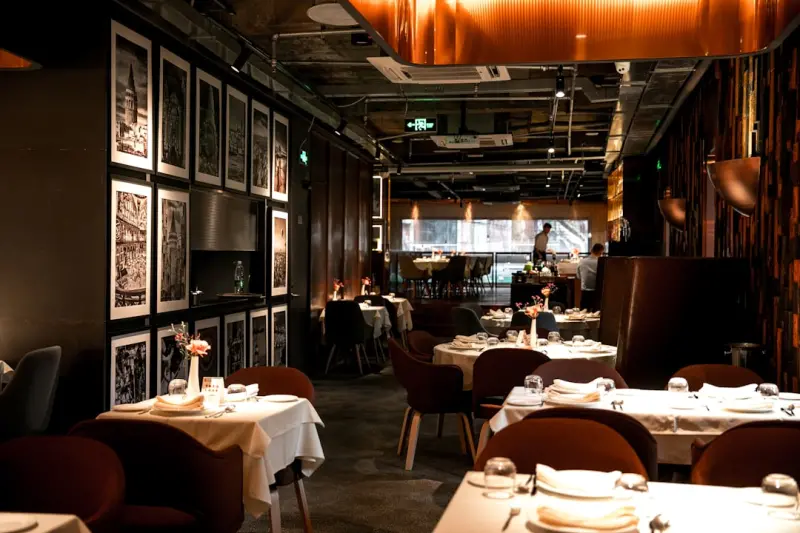
When Pixels Meet Palates: Augmented Reality Elevates Fine Dining
Explore the rise of AR in fine dining, where holographic plates, interactive wine pairings, and sustainable storytelling transform meals into immersive, collabo...Read More
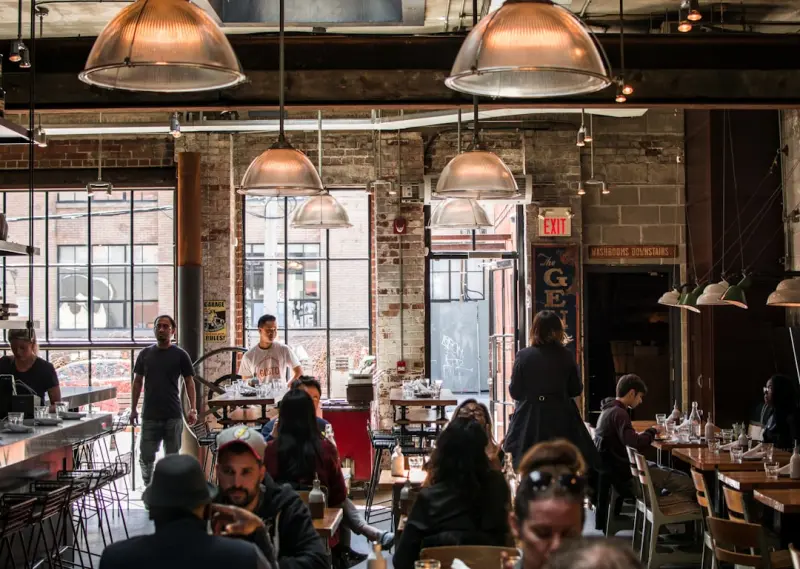
Neighborhood Treasures: Uncovering the Restaurants Where Locals Dine First
Dive into the world of local favorites, where authentic dishes, community vibes, and surprising value await. Find out which hidden spots deserve a place on your...Read More
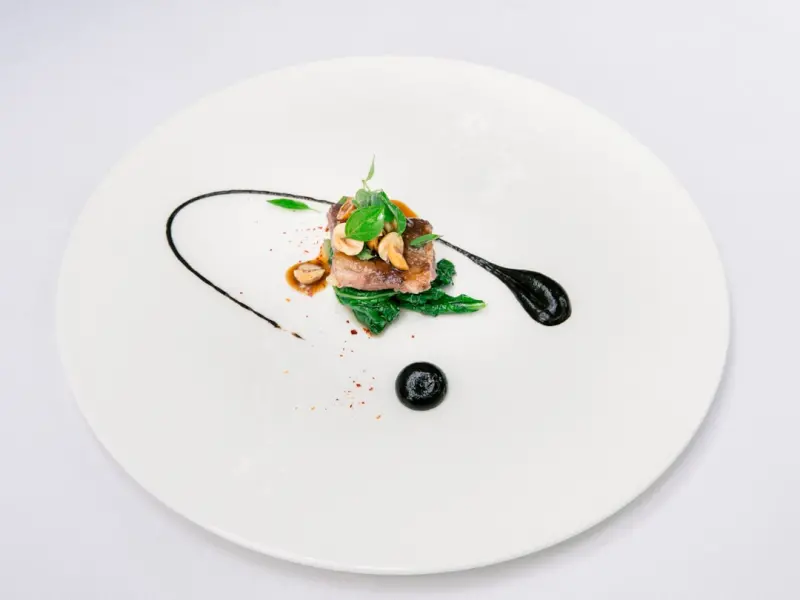
Wellness on a Plate: How Fine Dining is Embracing Health and Mindfulness
Fine dining is shifting toward health‑centric experiences, merging gourmet artistry with nutrition, mindfulness, and inclusive options to redefine luxury for ...Read More
0 Comments
Post Comment
You will need to Login or Register to comment on this post!