
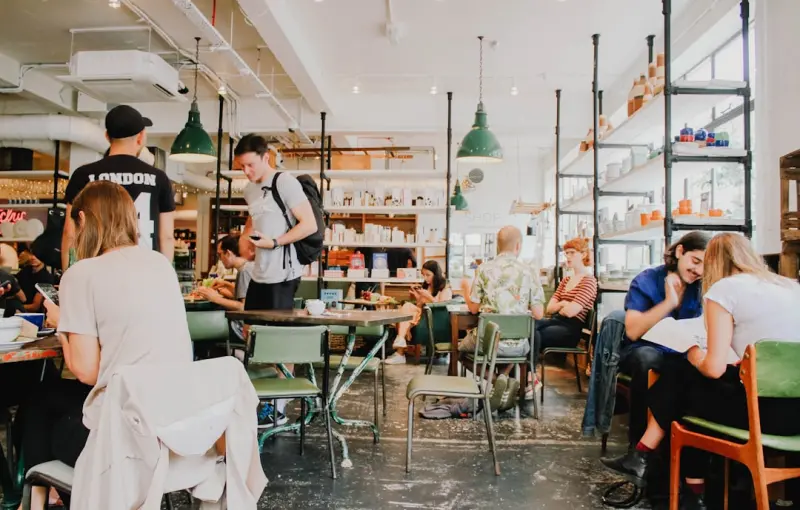
Why Pop‑Ups Have Become the Hottest Dining Playground
When I first stumbled into a hidden loft transformed into a five‑course wonderland, I realized that the pop‑up phenomenon is more than a fleeting trend; it’s a rebellion against the rigidity of traditional brick‑and‑mortar dining. Temporary spaces allow chefs to experiment without the burden of long‑term leases, turning the act of dining into a performance art where every night feels like a premiere and the menu evolves in real time based on the crowd’s energy. This fluidity has turned the ordinary act of eating into an adventure that pulls curious food lovers into a collective narrative, making each visit feel personal and unforgettable.
The Flexibility Factor: Low Overhead, High Creativity
From my perspective, the most intoxicating part of pop‑ups is the freedom they grant culinary innovators to sidestep the constraints of a fixed kitchen, allowing them to borrow spaces like vacant storefronts, warehouses, or even rooftops and instantly reimagine them as culinary laboratories. Because the financial risk is dramatically reduced, chefs can push boundaries—introducing hyper‑local ingredients, avant‑garde techniques, or daring flavor pairings that would be too risky for a permanent menu, and diners become willing collaborators in that daring experimentation. This low‑overhead model also means that pop‑ups can pop up (pun intended) in unexpected neighborhoods, turning a simple stroll into a serendipitous food discovery.
Buzz‑Worthy Marketing: Word‑of‑Mouth and Social Media
What truly fuels the wildfire spread of a pop‑up is the blend of grassroots word‑of‑mouth and savvy social media storytelling, a dynamic I’ve seen play out on platforms ranging from Instagram reels to local foodie Slack channels. The fleeting nature of these events creates a sense of urgency—if you miss it, you’ve missed it—prompting diners to share photos, hashtags, and live updates that turn a single dinner into a city‑wide conversation, a tactic similar to the one highlighted in Restaurant Road Trips where itineraries become cultural touchpoints. This organic buzz not only fills tables quickly but also builds a loyal following that eagerly anticipates the next pop‑up surprise.
The Logistics Behind the Magic
Behind the curtain, organizing a pop‑up is a masterclass in logistical gymnastics, from securing short‑term permits and navigating health code regulations to sourcing portable kitchen equipment that can be set up and broken down in a matter of hours. Location scouting becomes an art form; the perfect spot must balance foot traffic, ambience potential, and acoustic suitability, all while staying affordable enough to keep menu prices reasonable for the target audience. Moreover, the team must coordinate supply chains for niche ingredients that may only be available in limited batches, ensuring that each dish arrives fresh and on‑time despite the transient nature of the venue.
A Real‑World Success Story: The Secret Garden Pop‑Up
Last spring I attended “The Secret Garden,” a pop‑up tucked behind an abandoned greenhouse, where the chef curated a menu that mirrored the seasonal bloom of the surrounding flora, turning each plate into a botanical illustration. The experience was amplified by live harpists and a scent trail of rosemary and lavender that guided diners from the entrance to the tables, an immersive approach that reminded me of the sensory layering discussed in Scent and Sophistication. Guests left not only with a full stomach but also with a story to tell, and the chef later integrated several of the experimental dishes into his permanent restaurant, proving that pop‑ups can serve as incubators for future menu staples.
Influencing Mainstream Menus: From Test Kitchen to Table
The ripple effect of pop‑ups on established restaurants is profound; they act as real‑world test kitchens where concepts are vetted directly with diners before committing to a permanent rollout. By observing which plates spark conversation and which flavors generate repeat orders, chefs gather actionable data that can reshape their flagship menus, echoing the data‑driven personalization explored in Beyond Points. This iterative process not only reduces the risk of costly menu flops but also keeps the culinary scene fresh, as diners experience a constant stream of novelty that later becomes part of the everyday dining landscape.
The Sensory Storytelling of Pop‑Ups
Beyond food, pop‑ups excel at crafting immersive environments where lighting, décor, and even the soundtrack are deliberately chosen to complement the culinary narrative, turning each meal into a multisensory story. A dimly lit industrial loft with reclaimed wood tables might evoke nostalgia, while a rooftop garden under string lights can inspire a sense of celebration, each element thoughtfully curated to heighten the flavors on the plate. This intentional design transforms a simple dinner into a memorable event that lingers in guests’ minds long after the last bite, reinforcing the idea that dining is as much about atmosphere as it is about taste.
Future Trends: Hybrid Experiences and Subscription Models
Looking ahead, I see pop‑ups evolving into hybrid experiences that blend physical gatherings with digital extensions, such as livestreamed chef talks or virtual reality tours of the kitchen, allowing diners who can’t attend in person to still engage with the concept. Additionally, subscription‑based pop‑up clubs are emerging, where members receive exclusive invitations, early‑bird menus, and behind‑the‑scenes content, turning the fleeting nature of pop‑ups into a curated, ongoing relationship. These innovations promise to keep the excitement alive, ensuring that the pop‑up model remains adaptable and resilient in an ever‑changing food landscape.
How to Find or Launch Your Own Pop‑Up Adventure
If you’re eager to chase the next pop‑up or even create one, start by monitoring local food blogs, community bulletin boards, and social platforms that often announce secret locations hours before doors open. For aspiring hosts, begin with a clear concept, secure a flexible venue, and partner with local artisans for décor and music to amplify the experience without blowing the budget. Here’s a quick checklist to get you started:
- Define a unique theme that differentiates you from existing events.
- Scout venues that align with your theme and negotiate short‑term leases.
- Obtain necessary permits and ensure compliance with health regulations.
- Curate a limited, testable menu that showcases your culinary edge.
- Leverage social media teasers and a simple RSVP system to build hype.
- Gather feedback during the event to refine future pop‑ups.
Embrace the impermanence, stay curious, and let each pop‑up be a stepping stone toward a richer, more adventurous dining culture.

Becky Putman is an Ottawa-based freelance writer and marketing professional with a passion for storytelling, animals, and community involvement. She enjoys creating engaging content that informs, inspires, and connects with readers.
Related Posts
Why Restaurants Are Becoming Storytelling Stages
Discover why today’s restaurants are more than food spots—they’re narrative stages where chefs... Read More
When Dinner Becomes a Destination: Culinary Tourism
Restaurants are now curating travel‑inspired journeys on the plate, using place‑based stories, i... Read More
The Hidden Rise of Ghost Kitchens: How Invisible Restaurants Are Redefining Dining
Discover the silent surge of ghost kitchens, the tech behind data‑driven menus, and how diners can... Read More
Top Posts
The 2024 Restaurant Renaissance: Rose DesRochers’ Insider Perspective on Trends, Tech, and Tasting
Rose DesRochers shares her insider take on the 2024 restaurant renaissance, highlighting sustainability, tech integration, storytelling, and emerging chefs shap...Read More
Dining in the Dark: How Blindfolded Meals Are Redefining Flavor Perception
Step into darkness and discover how blindfolded dining amplifies flavor, builds connection, and offers a fresh perspective on the art of eating....Read More
Best Restaurants 2026: A Flavor‑First Adventure
Discover the 2026 restaurant scene through Rose DesRochers’ lens—where flavor‑first philosophy, storytelling, and immersive tech create unforgettable dini...Read More
When Menus Go Digital: How QR Codes Are Changing Restaurant Transparency
QR code menus are more than a tech trend—they're a bridge to honesty, letting diners scan, learn, and connect with every ingredient on their plate....Read More
0 Comments
Post Comment
You will need to Login or Register to comment on this post!