
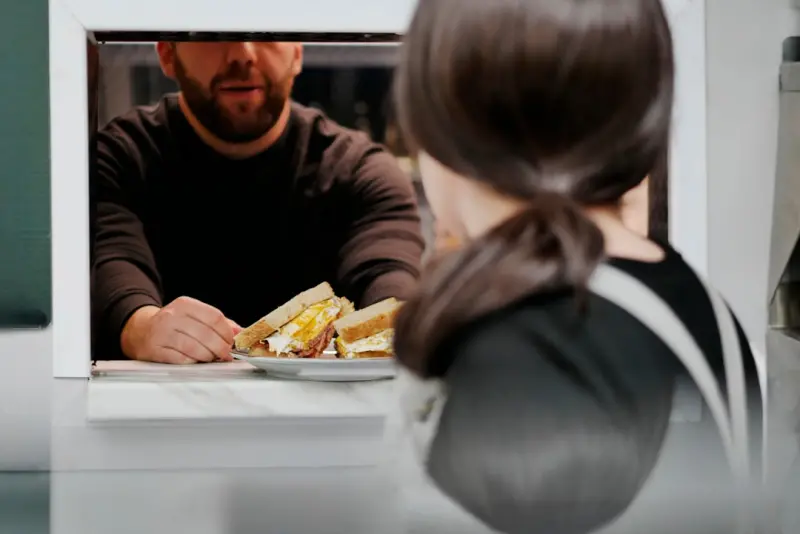
Data at the Doorstep: The New Front Door of Restaurants
When I first walked into a downtown bistro last month, the hostess greeted me by name before I’d even spoken a word. It felt less like a lucky coincidence and more like the result of a quiet algorithm humming behind the scenes. Data‑driven dining isn’t a futuristic gimmick; it’s the invisible handshake that bridges a diner’s expectations with a kitchen’s capabilities. By aggregating reservation histories, past orders, and even social‑media preferences, restaurants now craft experiences that feel tailor‑made, turning a routine night out into a conversation between my palate and the chef’s imagination. This shift isn’t just about boosting check sizes; it’s about honoring the individuality of each guest, a principle that resonates deeply with my love for stories hidden in every plate.
Smart Reservations and Seat Matching
Reservation platforms have evolved from simple calendars to sophisticated data hubs that record everything from the time I prefer to dine to the ambient lighting I find most flattering. When I booked a table for two, the system automatically paired us with a booth that offers a view of the open kitchen—a detail I’d never thought to request but instantly appreciated. The seating algorithm also accounts for party size, mobility needs, and even the frequency of my visits, ensuring that loyal patrons receive the “best seat in the house” without ever asking. This seamless integration of data into the reservation flow eliminates the awkward small talk at the host stand and replaces it with a quiet confidence that the restaurant truly knows me.
AI‑Powered Menus That Talk Back
Imagine a menu that remembers you liked a smoky brisket last summer and suggests a new cedar‑infused rib that pairs perfectly with that same bold red you loved. That’s the promise of AI‑enhanced menu engines, and I’ve seen it in action at a boutique eatery downtown. By analyzing my previous orders, the system offers a curated “Your Next Favorite” section, complete with tasting notes and dietary filters. For those who enjoy the narrative side of dining, the restaurant links its recommendations to a deeper story, much like the approach discussed in Decoding the Menu: How Wordcraft Turns a Meal into a Story. The result is a menu that feels less like a static list and more like a dialogue, inviting me to explore flavors I might have otherwise missed.
Staff as Data‑Driven Storytellers
The front‑of‑house team now carries a tablet that flashes subtle cues: “Guest enjoys spicy dishes,” “Prefers window seats,” or “Celebrating a birthday.” These prompts allow servers to weave personalized anecdotes into their service, turning a simple “How was the steak?” into “I noticed you loved the char after we introduced the new pepper‑crusted rib yesterday—how did the spice level sit with you?” This data‑informed conversation transforms the staff from mere servers into storytellers who amplify the restaurant’s narrative. Moreover, chefs receive real‑time feedback loops that highlight which ingredients spark the most enthusiasm, enabling them to refine dishes on the fly without compromising the kitchen’s rhythm.
Loyalty Reimagined: From Points to Personalized Journeys
- Dynamic rewards that unlock based on dining frequency, not just spend.
- Exclusive “chef’s table” invitations curated for guests who consistently explore new menu items.
- Seasonal tasting menus sent directly to a patron’s inbox, tailored to past flavor preferences.
Traditional punch‑card loyalty feels archaic compared to the experiential programs sprouting across the city. One local hotspot, for instance, uses data to offer a “Taste Explorer” badge after a guest tries three dishes from three different regional sections. The badge then unlocks a private tasting session, a perk highlighted in The Hidden Art of Curated Guest Journeys in Top Restaurants. This shift from points to purposeful experiences deepens emotional attachment, turning occasional diners into brand ambassadors who feel genuinely recognized.
Case Study: The Seasonal Pop‑Up That Knows You By Name
Last spring, a rooftop pop‑up called “Harvest Horizons” opened for a limited six‑week run, promising a menu that changed with the weather. Behind its breezy vibe lay a robust data engine that tracked every reservation, noting which guests preferred light salads versus heartier stews. By the third week, the team sent personalized invitations to diners who loved autumnal flavors, offering a pre‑season tasting of roasted root vegetables infused with a hint of smoked sage. Those who opted in received a custom‑printed napkin bearing their name and a brief note about the inspiration behind the dish. The result? A 40 % increase in repeat bookings and a social media buzz that felt authentic rather than manufactured—a testament to how data, when wielded with genuine hospitality, can elevate even the most transient dining concepts.
Guarding the Guest: Privacy and Ethics in Dining Data
While the allure of hyper‑personalization is undeniable, it raises inevitable questions about data stewardship. Restaurants must navigate a delicate balance between offering tailored experiences and respecting the privacy boundaries of their patrons. Transparent opt‑in processes, clear data‑retention policies, and the option to delete personal profiles are now becoming industry standards. I’ve noticed that venues that openly discuss how they use my information—sometimes even displaying a short “Data Promise” at the host stand—instill a deeper trust, encouraging me to share more preferences without feeling surveilled. Ethical data practices not only protect guests but also reinforce a brand’s integrity, ensuring that the magic of personalization never feels invasive.
Looking Ahead: Predictive Plates and Real‑Time Feedback
The next frontier lies in predictive ordering, where AI anticipates a diner’s next craving before they even think of it. Sensors embedded in tables could gauge temperature preferences, while wearables might relay heart‑rate data to suggest a calming tea after a spicy entrée. Simultaneously, real‑time feedback loops—instant surveys delivered to a tablet after each course—allow kitchens to adjust seasoning, portion size, or pacing on the spot. This dynamic, data‑rich environment promises a dining experience that adapts fluidly, turning each visit into a living, breathing conversation between guest and chef. As technology continues to blend with hospitality, the line between human intuition and algorithmic insight will blur, creating a richer, more responsive culinary world.
Final Bite: Embracing the Human Touch in a Data‑Rich World
At the heart of every data point is a story—a memory of a first date, a celebration of a promotion, or simply a craving for comfort food after a long day. The true power of data‑driven dining lies not in the numbers themselves, but in how they enable restaurants to honor those stories with authenticity and care. As I move from one table to the next, I’m reminded that technology should amplify, not replace, the human connection that makes each meal memorable. So the next time you’re greeted by name, offered a dish that feels like it was made just for you, or receive a surprise invitation to a chef’s tasting, take a moment to appreciate the invisible collaboration between your preferences and the restaurant’s thoughtful design. It’s a partnership that, when done right, turns every bite into a personalized celebration.

When it comes to the world of blogging and writing, Rose DesRochers is a name that stands out. Her passion for creating quality content and connecting with her audience has made her a trusted voice in the industry. Aside from her skills as a writer and blogger, Rose is also known for her compassionate nature.
Related Posts
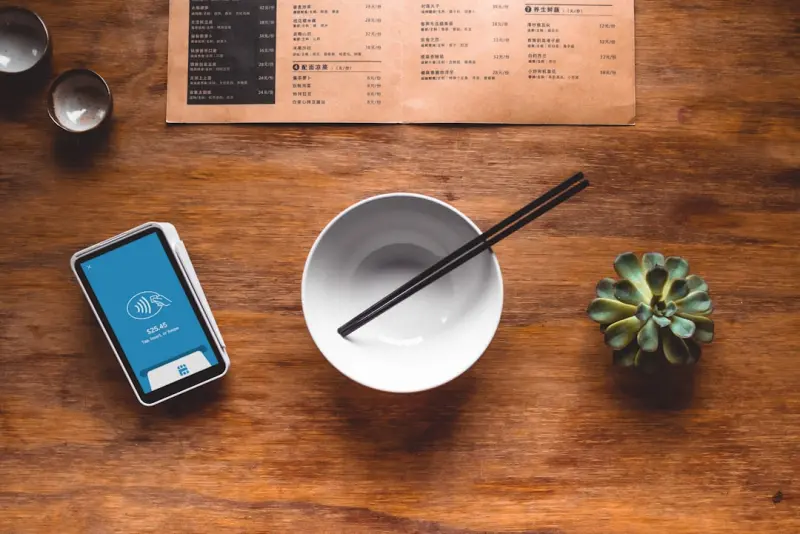
How Gamified Loyalty Programs Are Changing the Restaurant Landscape
Discover how game‑style loyalty schemes are reshaping dining, turning ordinary meals into quests t... Read More

Becky Putman's 2024 Restaurant Renaissance: Tasting the Trends
In 2024, restaurants are rewriting the rulebook. Becky Putman shares her insider view on the bold fl... Read More
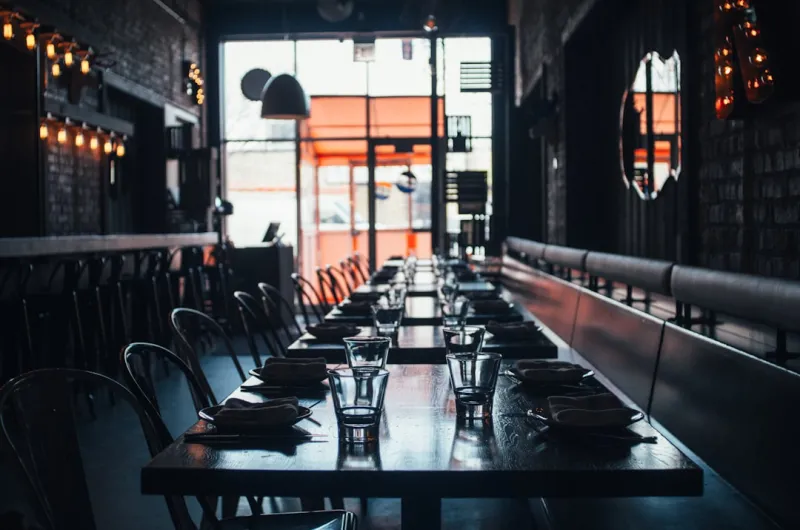
Why Restaurants Are Becoming Storytelling Stages
Discover why today’s restaurants are more than food spots—they’re narrative stages where chefs... Read More
Top Posts
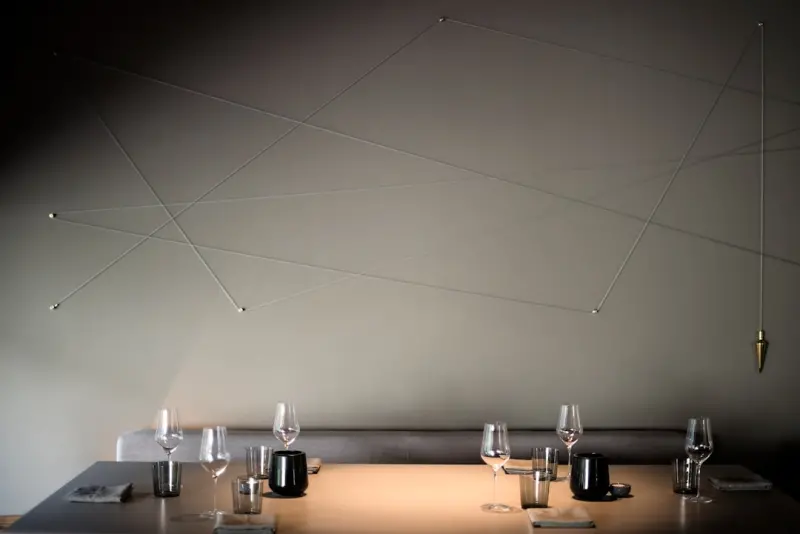
Illuminating Fine Dining: How Light Shapes Flavor, Mood, and Memory
Explore the subtle power of light in fine dining—how illumination can amplify flavors, set the mood, and turn each course into a memorable experience....Read More
The Pursuit of Culinary Perfection: My Top Picks for the Best Restaurants
Join me on a culinary journey as I share my top picks for the best restaurants around the world. From exceptional service to innovative cuisine, learn what make...Read More
From Seed to Plate: How Urban Farm‑To‑Table Restaurants Are Redefining Freshness
Explore the rise of urban farm‑to‑table restaurants, where on‑site gardens deliver unparalleled freshness, sustainability, and storytelling that reshapes ...Read More
The Secret Ingredients Behind the Best Restaurants
Discover how travel memories, family heritage, daring collaborations, and smart reservation strategies shape the most unforgettable dining experiences....Read More
0 Comments
Post Comment
You will need to Login or Register to comment on this post!