
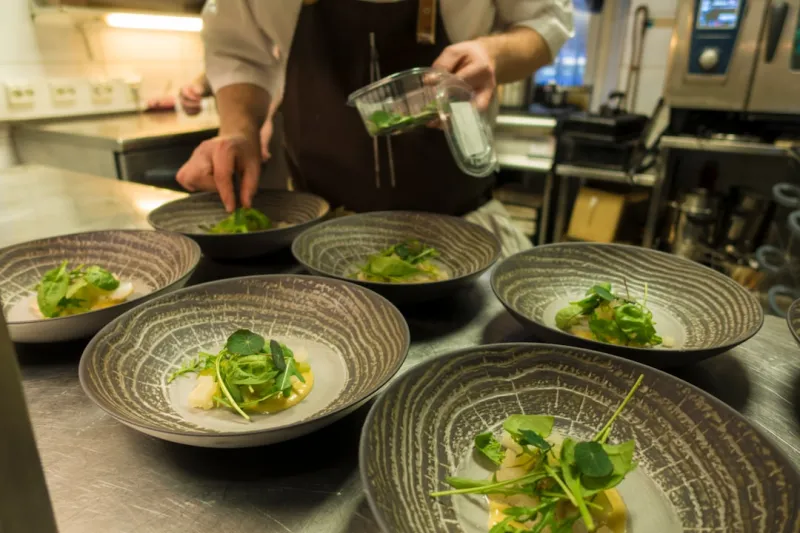
The Canvas of the Plate
When I first stepped into a dimly lit tasting room where the silver service gleamed like a theater’s spotlight, I realized that a meal could be more than nourishment—it could be a carefully choreographed narrative that unfolds course by course. The chef, much like a playwright, drafts an opening act with an amuse‑bouche that teases the palate, then builds tension with textures and flavors that echo the themes of the night, all while the dining room’s ambience provides the stage lighting that cues emotional shifts. In that moment I understood why The Best Restaurants That Turn Meals Into Stories feels less like a list and more like a map of literary landmarks rendered in sauce, herb, and heat.
The Language of Ingredients
Every component on the plate whispers its own dialect, from the earthy sigh of a foraged mushroom to the bright, confident punch of citrus that cuts through a rich broth, and together they converse in a language that only the most attentive diners can decode. I have learned to listen for the subtle cadence of acidity rising like a plot twist, then the comforting resolution of a buttery finish that feels like the story’s denouement, a technique chefs employ to keep us emotionally invested long after the last crumb is cleared. This culinary syntax is why storytelling on a plate has become my favorite form of escapism, turning each reservation into a private premiere.
Designing the Narrative Arc
Fine‑dining chefs now approach menus as storyboards, plotting each course to mirror character development, pacing, and climax, so that the diner experiences a crescendo of flavors that mirrors a well‑crafted novel. The first course often serves as exposition, introducing the terroir and the chef’s philosophy, while subsequent dishes deepen the plot with layers of technique, surprise ingredients, and playful reinterpretations of classic motifs. By the time the dessert arrives, the experience reaches its cathartic climax, leaving a lingering aftertaste that feels like the echo of the final line of a beloved book.
Setting the Scene
The restaurant’s interior design, lighting, and even the placement of silverware become part of the storytelling toolkit, ensuring that every sensory input reinforces the culinary narrative. A muted palette of deep blues and charcoal can evoke a somber, introspective mood that pairs perfectly with a brooding black garlic consommé, while a burst of gold leaf on a plated flower can signal a hopeful turning point in the meal’s arc. When these elements align, the dining experience transcends taste and becomes an immersive theatrical performance that stays with you long after the table is cleared.
From Plate to Memory
What makes a story truly memorable is its ability to transport the audience to another world, and in fine dining that world is built from aroma, texture, temperature, and the fleeting moments of shared silence between bites. I often find myself replaying the conversation I had with the sommelier about terroir, recalling the way the wine’s tannins mirrored the grit of a smoked pork belly, and feeling the emotional resonance that only a well‑crafted culinary story can provoke. This lingering mental montage is why I cherish venues that treat each dish as a chapter, because they allow us to write our own footnotes in the margins of flavor.
Connecting the Dots
For readers eager to explore more narrative‑driven eateries, the guide When Fine Dining Becomes a Narrative Journey offers a curated selection of restaurants that have mastered the art of culinary storytelling, each entry accompanied by tasting notes that read like plot summaries. Likewise, the piece Beyond the Plate: How Storytelling Redefines Fine Dining delves into the philosophy behind this movement, showing how chefs are rewriting the rules of hospitality by turning meals into immersive experiences. These resources have become my compass, guiding me toward tables where the food is not just eaten but lived.
Personal Reflections on the Journey
My own evolution as a fine‑dining enthusiast mirrors the arc of the meals I adore: starting with curiosity, moving through experimentation, and arriving at a place of reverent appreciation for the narrative potential of gastronomy. I recall a night when a chef presented a dish inspired by a classic novel, layering flavors that echoed the protagonist’s journey from innocence to triumph, and I felt an unexpected kinship with the literary hero, all through the medium of a spoonful of broth. That epiphany cemented my belief that when chefs think like storytellers, they invite diners to become co‑authors of a fleeting, delicious saga.
Looking Ahead
As the culinary world continues to blur the lines between food and fiction, I anticipate a future where menus are published like chapbooks, diners receive “reading lists” of recommended wines, and kitchens become ateliers where narrative research is as essential as technique. The next wave of fine‑dining innovators will likely experiment with multisensory storytelling—incorporating soundscapes, tactile elements, and even scent‑diffusion to deepen the immersion, creating experiences that are as much about emotional resonance as they are about flavor precision. Until then, I will keep my notebook ready, my palate eager, and my curiosity unabated, ever searching for the next restaurant where every bite becomes a story worth retelling.

When it comes to the world of blogging and writing, Rose DesRochers is a name that stands out. Her passion for creating quality content and connecting with her audience has made her a trusted voice in the industry. Aside from her skills as a writer and blogger, Rose is also known for her compassionate nature.
Related Posts
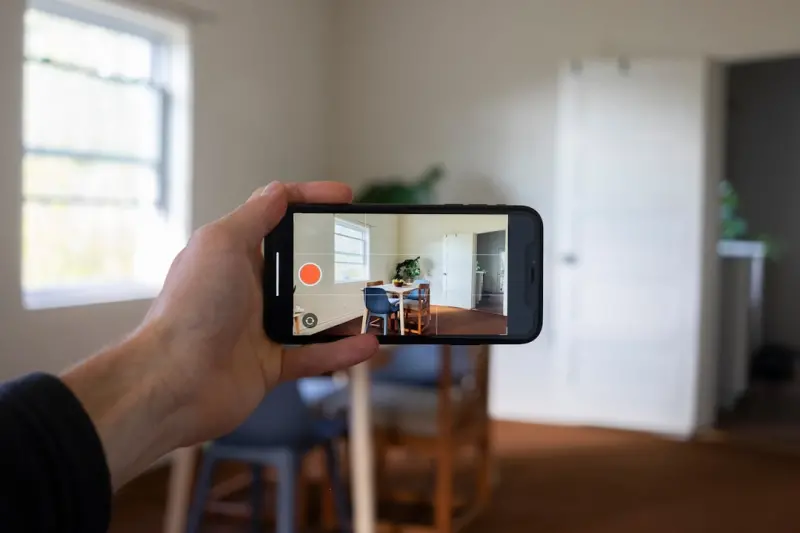
Augmented Reality at the Table: Redefining Fine Dining Experiences
Discover how AR tabletop technology turns fine dining into a multisensory performance, blending visu... Read More
Redefining Service: The Subtle Art of Intuitive Fine Dining
Discover the quiet revolution in fine‑dining service, where intuitive pacing, personalized hospita... Read More
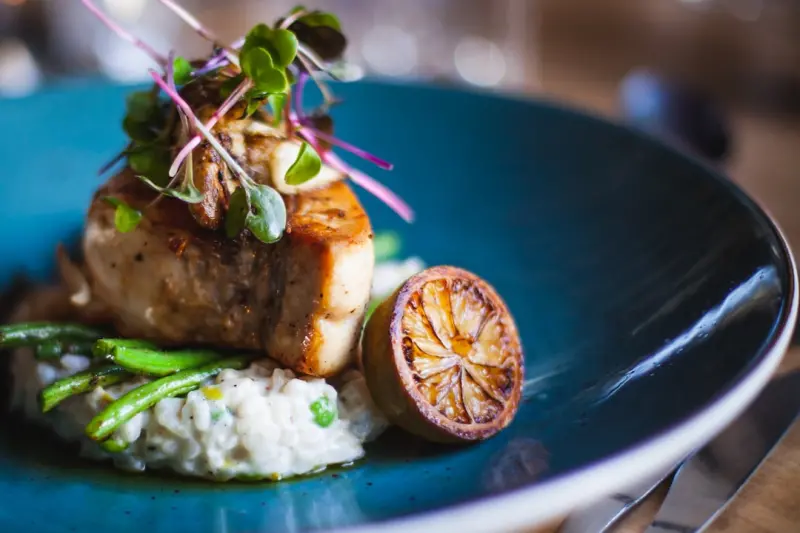
When Fine Dining Becomes a Narrative Journey
Discover how fine dining evolves into a storytelling adventure, where menus, wine pairings, and serv... Read More
Top Posts
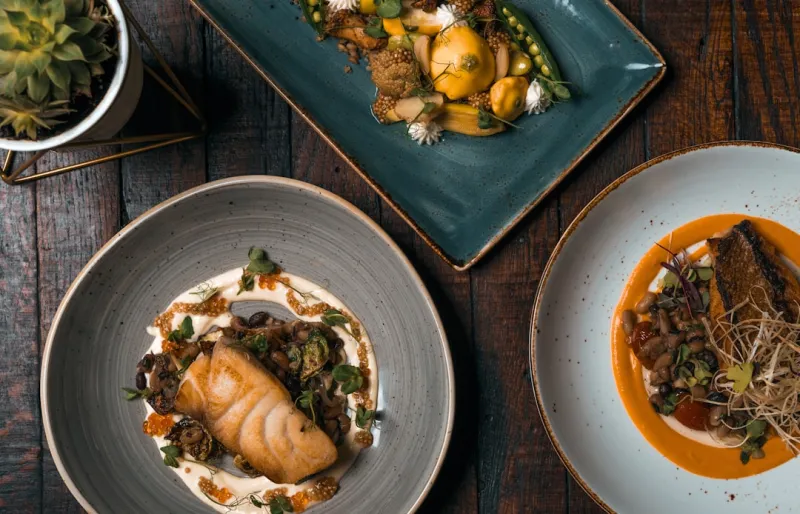
When Fine Dining Becomes a Storytelling Feast
Fine dining now reads like a novel—chefs are authors, plates are chapters, and every detail tells a story. Discover the art behind this narrative cuisine....Read More

Molecular Elegance: How Science Reinvents Fine Dining
Discover how chefs blend science and tradition, using techniques like spherification and flash freezing to create innovative, sustainable fine‑dining experien...Read More
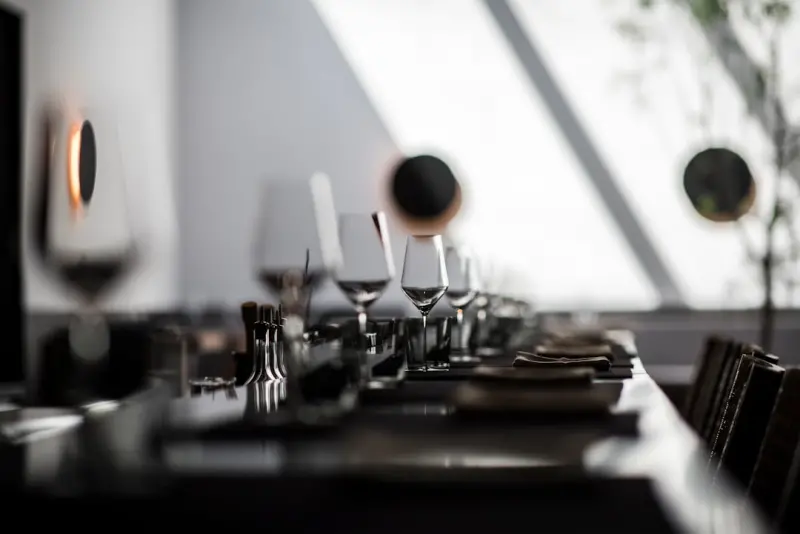
How Sound Shapes the Restaurant Experience
Discover why the right soundtrack and thoughtful acoustics can elevate a meal from ordinary to unforgettable, and learn practical tips to fine‑tune your resta...Read More
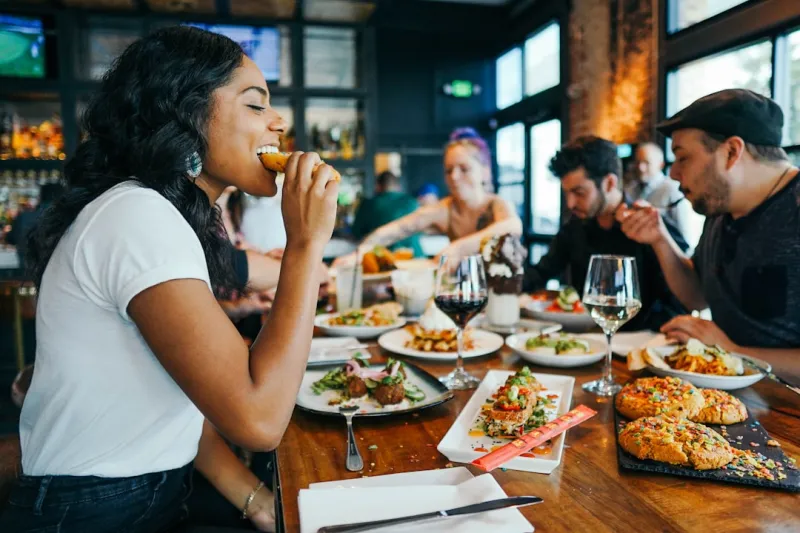
Rose DesRochers’ 2024 Restaurant Renaissance: Flavor, Story, and Innovation
Rose DesRochers reveals how 2024’s dining scene blends storytelling, sustainability, and tech, offering insider picks that redefine modern gastronomy....Read More
0 Comments
Post Comment
You will need to Login or Register to comment on this post!