
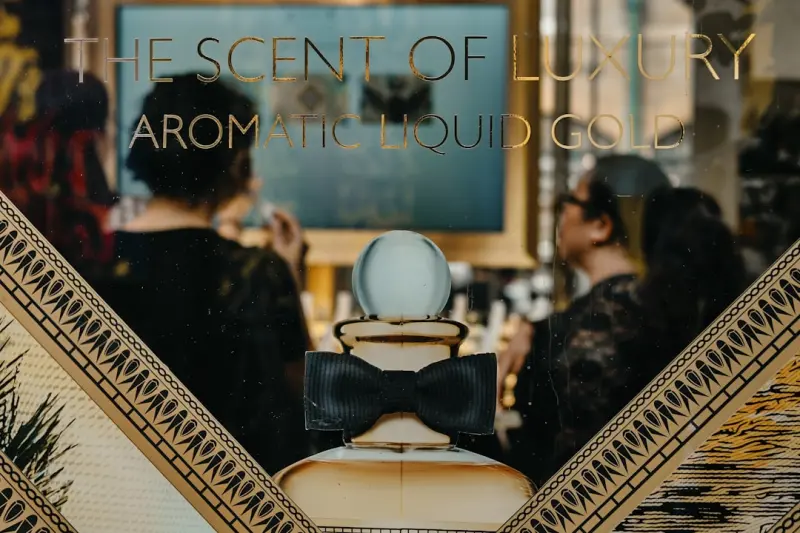
The Unseen Ingredient: Aroma
When the clink of crystal glasses and the whisper of silk napkins fade into the background, an invisible force begins to command the palate: scent. In the most refined dining rooms, chefs and designers have begun to treat aroma not as an afterthought but as a deliberate, choreographed element that can elevate a dish from merely delicious to unforgettable. Fine dining is thus evolving into a multisensory performance, where the first impression is often a breath of rosemary, citrus, or smoked cedar that prepares the mind for the flavors to come.
Historical Roots of Scented Dining
Long before the modern restaurant, grand banquets in ancient Persia and imperial China relied on fragrant incense, aromatic herbs, and exotic spices to create an atmosphere of luxury and mystique. Those early hosts understood that the olfactory environment could signal status, hospitality, and even health, weaving scent into the cultural fabric of celebration. Today’s chefs are reviving that tradition, translating centuries‑old practices into contemporary concepts that resonate with today’s sophisticated diners.
Science Behind Smell and Taste
Neuroscientists reveal that up to 80 % of what we perceive as flavor actually originates in the nose, where volatile compounds travel to the olfactory receptors and intertwine with gustatory signals. This biochemical partnership explains why a pinch of smoked paprika can make a tomato‑based soup feel richer, or why a hint of vanilla can soften the bite of a dark chocolate dessert. Understanding this synergy empowers chefs to craft dishes where scent and taste converse, creating a depth that pure flavor alone cannot achieve.
Designing an Aromatic Palette
Modern establishments experiment with subtle yet deliberate methods to introduce scent: custom‑blended essential oil diffusers that release notes of bergamot during a pre‑meal aperitif, herb‑infused wooden planks that sizzle beneath a seared scallop, or candle‑light that carries whispers of pine and sea salt. The key is restraint; the aroma must linger long enough to intrigue but never overwhelm, allowing the diner's own breath to become part of the experience. By treating scent as a visual and auditory counterpart, restaurateurs can construct a cohesive narrative that guides guests from entry to dessert.
Case Study: Aroma in Action
At a celebrated downtown bistro, the head chef partnered with a scent‑designer to develop a signature “forest floor” atmosphere for the mushroom tasting menu. As diners approached the table, a discreet diffusion system released earthy notes of truffle and damp moss, echoing the earthy umami of the dishes themselves. The result was a harmonious echo that amplified the palate, a technique reminiscent of the insights shared in The Silent Storyteller: How Tableware Shapes Fine‑Dining Experiences, where every element, visible or invisible, contributes to the overall perception.
Harmonizing Scent with Sound
Just as a carefully selected playlist can shape the rhythm of a meal, scent works in tandem with auditory cues to deepen immersion. Research shows that woody aromas paired with low‑tempo jazz can induce relaxation, while bright citrus notes combined with lively piano may enhance excitement. Restaurants that synchronize these senses often cite the findings of How Restaurants Use Music to Shape Your Dining Experience, illustrating that the marriage of scent and sound transforms a dinner into an orchestrated event.
Wine as an Aromatic Narrative
Wine already occupies a central role in fine dining, but its aromatic contribution extends far beyond complementing food; it can serve as a bridge between course and ambience. A crisp Sauvignon Blanc, with its flinty green‑apple bouquet, can cleanse the palate while echoing the herbaceous perfume of a spring salad, whereas a velvety Pinot Noir, rich with forest‑floor aromas, can deepen the earthiness of a braised short rib. When sommeliers and chefs collaborate on these aromatic dialogues, the result is a seamless story that unfolds with each sip and bite.
Balancing Act: Challenges and Ethics
Introducing scent into the dining environment is not without its complexities. Overly strong fragrances risk triggering allergies, diminishing the experience for sensitive guests, and can clash with the intended flavors of a dish. Sustainable sourcing also becomes a concern; natural essential oils and incense must be harvested responsibly to avoid ecological impact. Successful establishments therefore adopt a policy of transparency, offering scent‑free seating options and disclosing the origins of their aromatic ingredients.
Looking Ahead: The Future of Scented Fine Dining
Emerging technologies promise to personalize aroma on a per‑guest basis, using AI to analyze previous orders and recommend bespoke scent profiles that align with individual taste memories. Imagine a reservation system that, upon confirming a table, programs a micro‑diffuser to release a subtle lavender note for a guest known to enjoy floral desserts, while another guest receives a faint hint of smoked oak for a hearty meat course. As these innovations mature, the line between chef, perfumer, and experience designer will blur, ushering in an era where every element of a meal is meticulously curated for the senses.

When it comes to the world of blogging and writing, Rose DesRochers is a name that stands out. Her passion for creating quality content and connecting with her audience has made her a trusted voice in the industry. Aside from her skills as a writer and blogger, Rose is also known for her compassionate nature.
Related Posts
Why Fine Dining Feels Like Reading a Great Novel
Fine dining isn’t just about flavors; it’s a story unfolding on a plate. I share how chefs write... Read More
Fine Dining in 2024: Becky Putman's Flavor‑First Perspective
Becky Putman reveals 2024’s fine‑dining trends, from flavor‑first menus and sustainable sourci... Read More

Crafting an Unforgettable Sensory Journey in Fine Dining
Fine dining isn’t just about food; it’s a carefully choreographed sensory adventure. Learn how c... Read More
Top Posts
The Secret Rhythm of Service: How Timing Shapes Fine Dining
Explore the invisible rhythm of fine dining—how chefs, maitre d’s, and technology synchronize timing to create unforgettable culinary experiences....Read More
When Fine Dining Becomes a Narrative Journey
Discover how fine dining evolves into a storytelling adventure, where menus, wine pairings, and service become chapters in a memorable culinary narrative....Read More
How Restaurants Use Music to Shape Your Dining Experience
Explore the hidden power of restaurant playlists and live music, and how soundscapes can transform flavors, mood, and overall dining experiences....Read More
When a Plate Becomes a Story: A Foodie’s Journey Through Narrative Dining
A passionate foodie reveals why meals are becoming stories, sharing unforgettable restaurant experiences, tips for finding narrative-driven venues, and a glimps...Read More
0 Comments
Post Comment
You will need to Login or Register to comment on this post!