
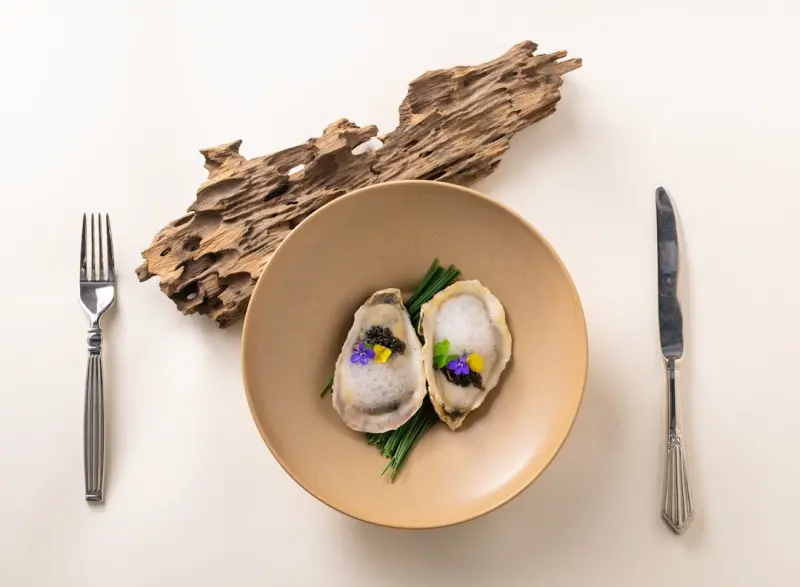
Why Restaurants Are Becoming Storytelling Stages
Walking into a restaurant these days feels less like stepping into a kitchen and more like opening the first page of a novel; the ambience, the menu design, and even the way the server greets you all whisper a premise that begs to be explored. Narrative dining has moved from a niche curiosity to a mainstream expectation, driven by diners who crave experiences that linger long after the last bite has been savored. As a self‑confessed food lover with a penchant for plot twists, I find myself scanning reservation apps for places that promise not just flavor but a story arc, a sense that the meal will unfold like chapters in a well‑crafted book.
Behind the polished veneer of fine‑dining rooms lies a deliberate choreography: lighting that mimics sunrise or twilight, plates presented as if they were illustrated scenes, and courses that echo the rhythm of a rising action, climax, and denouement. Restaurants are hiring creative directors, dramaturges, and even playwrights to design menus that function as scripts, ensuring that every palate‑pleasing bite also serves a narrative purpose. This shift reflects a broader cultural hunger for authenticity, where diners seek connections that transcend the transactional and enter the transformative.
The Anatomy of a Narrative Meal
At its core, a narrative meal consists of three structural pillars—setup, conflict, and resolution—mirroring the classic story triangle that has guided storytellers for centuries. The opening amuse‑bouche acts as the hook, a tiny taste that sparks curiosity and sets the thematic tone, while the subsequent courses introduce tension through unexpected flavor pairings, texture contrasts, or playful deconstructions of familiar dishes. By the time the dessert arrives, the chef has delivered a satisfying resolution, often tying together motifs introduced earlier, leaving diners with a sense of completeness that feels almost literary.
Chef‑creators meticulously map flavor arcs, using spices as characters, sauces as dialogue, and plating as stage direction. A bright citrus note might represent a protagonist’s optimism, while a smoky undertone can hint at hidden motives, allowing the diner to “read” the plate as they would a manuscript. This thoughtful layering transforms eating into an act of interpretation, encouraging guests to pause, reflect, and even discuss the hidden subtext with companions—a communal storytelling experience that extends beyond the table.
My Personal Journey Through Storytelling Restaurants
My first encounter with narrative dining occurred at a tucked‑away bistro that billed itself as “a culinary novella,” and I was instantly captivated by the menu’s prose‑like descriptions that hinted at plot twists hidden in each dish. I remember the moment the chef presented a dish called “The Midnight Secret,” a dark chocolate sphere that cracked open to reveal a bright raspberry coulis, echoing a surprise revelation in a mystery novel. That night, I felt the power of storytelling on a plate and began seeking out venues that treated food as a narrative device.
Since that revelation, I have explored dozens of establishments, each offering a distinct narrative voice. From the theatrical dim‑sum experience where servers performed a miniature play before serving, to the minimalist tasting menu that used silence as a storytelling tool, my palate has become attuned to the subtle cues that signal a chef’s intent. For readers curious about the evolution of this movement, I recommend checking out When Fine Dining Becomes a Narrative Adventure, which delves deeper into how chefs craft immersive stories through cuisine.
How to Find and Appreciate Narrative Dining
Finding a restaurant that excels at narrative dining requires a mix of curiosity, research, and a willingness to embrace the unknown. Start by scanning food blogs, Instagram feeds, and review sites for keywords like “storytelling,” “theatrical,” or “multi‑course narrative,” then dig into the chef’s background—many narrative chefs publish essays or videos explaining the inspiration behind their menus. Once you’ve identified a potential spot, read the menu carefully; look for evocative language, seasonal references, or even a suggested “story map” that outlines the progression of flavors.
When you finally sit down, engage with the staff. Ask about the concept behind each course, the inspiration for the plating, and any symbolic ingredients they might have used. This dialogue not only enhances your appreciation but also validates the restaurant’s effort to involve diners in the storytelling process. For a curated list of places that excel at turning meals into narratives, see The Ultimate Guide to the Best Restaurants That Turn Meals Into Stories, a resource that highlights venues where every bite feels like a paragraph in a larger tale.
Future Trends: The Next Chapter of Dining
The future of narrative dining is poised to intertwine even more closely with technology, immersive design, and cross‑disciplinary collaboration. Imagine augmented‑reality menus that project visual storyboards onto the table, or scent diffusers that release aromas synchronized with each course, deepening the emotional resonance of the culinary plot. Chefs are already partnering with writers, musicians, and visual artists to craft multisensory experiences that blur the lines between dinner and performance art.
As diners continue to seek meaning beyond mere sustenance, restaurants that can weave compelling stories into every facet of the experience will thrive. The movement is not just a fleeting trend; it reflects a fundamental shift toward experiential consumption, where food becomes a conduit for memory, emotion, and connection. For a broader perspective on how this evolution is reshaping the industry, explore The Rise of Narrative Dining: How Restaurants Turn Meals Into Stories, which charts the rise of storytelling as a defining characteristic of modern gastronomy.

When it comes to the world of blogging and writing, Rose DesRochers is a name that stands out. Her passion for creating quality content and connecting with her audience has made her a trusted voice in the industry. Aside from her skills as a writer and blogger, Rose is also known for her compassionate nature.
Related Posts
Rose DesRochers’ Insider View: Why 2024 Is the Year Restaurants Truly Evolved
Rose DesRochers reveals how sustainability, tech, and community are driving a restaurant renaissance... Read More
The Five‑Senses Feast: How Restaurants Are Turning Meals Into Multisensory Experiences
Discover the rise of sensory dining—where aroma, sound, lighting, texture, and taste unite—to tr... Read More
When a Restaurant Becomes a Storytelling Stage
Discover the art of narrative dining, where chefs craft each course like a chapter, turning meals in... Read More
Top Posts
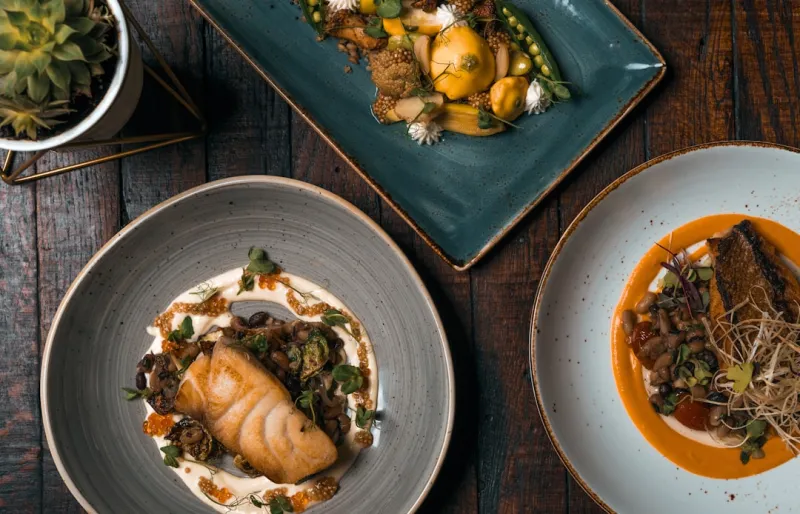
Fine Dining in 2024: Becky Putman's Personal Journey Through Flavor, Story, and Innovation
Becky Putman shares her 2024 fine‑dining adventure, highlighting storytelling menus, sustainable sourcing, tech‑enhanced tables, and the intimate experience...Read More

When the Service Becomes the Star: Rethinking Fine Dining
Fine dining is evolving beyond the kitchen; discover how attentive service, curated rituals, and innovative staff training are becoming the centerpiece of luxur...Read More
Unearthing Forgotten Flavors: The Best Restaurants Reviving Heritage Recipes
Explore the most authentic eateries resurrecting forgotten family recipes, where each dish tells a story of heritage and culinary tradition....Read More
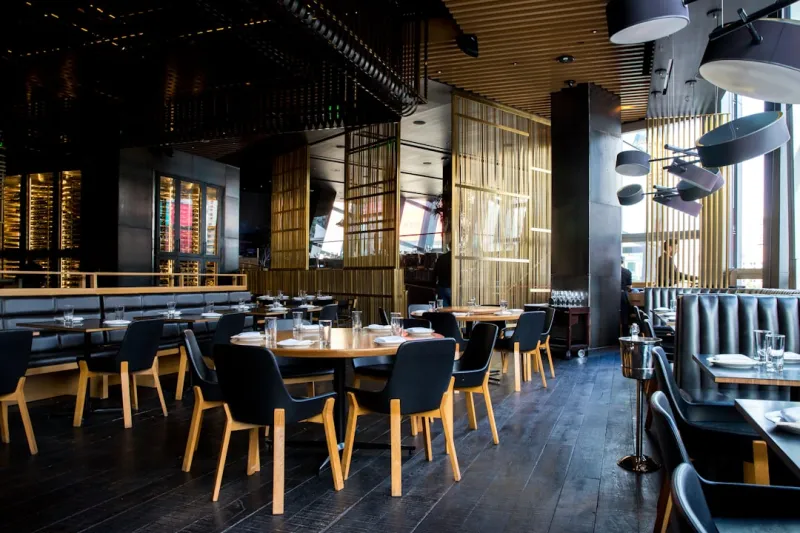
The Hunt for Restaurants That Turn Meals Into Stories
Dive into a foodie’s quest for restaurants where every bite tells a story, blending ambience, chef creativity, and seasonal narratives into unforgettable meal...Read More
0 Comments
Post Comment
You will need to Login or Register to comment on this post!