
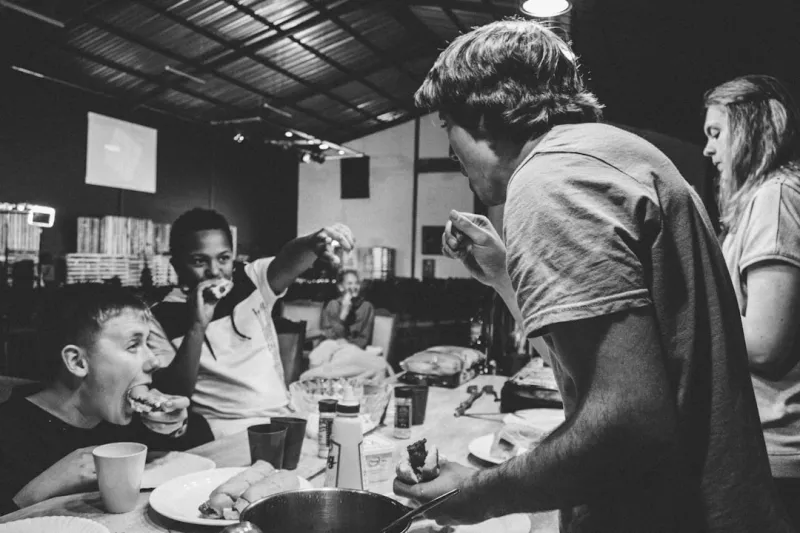
Why I Chase Stories on a Plate
Ever since I first realized that a single bite could transport me to a childhood kitchen, a bustling street market, or a distant coastline, I’ve treated every restaurant visit as a narrative expedition, a mindset that has reshaped my dining habits and turned ordinary meals into unforgettable chapters of my personal anthology. This perspective fuels my relentless pursuit of eateries where the chef’s imagination is as bold as a novelist’s, where the plating is not just garnish but a visual prologue that sets the tone for the flavors to come, and where the rhythm of courses mirrors the pacing of a well‑crafted plot. It’s the subtle interplay of taste, texture, and timing that convinces me a dinner can be as compelling as a bestseller, and that belief compels me to share these experiences with fellow food lovers who crave more than just sustenance.
The Art of Dining as Storytelling
When I first stumbled upon The Art of Dining: How Every Plate Tells a Story, I was struck by the revelation that each component on a plate can serve as a character, each sauce a subplot, and the overall composition a thematic statement, a concept that resonated deeply with my own approach to food. This insight transformed the way I read menus, prompting me to decipher ingredient origins, preparation methods, and plating techniques as clues that foreshadow the culinary journey ahead, much like a detective sifts through evidence before solving a mystery. By treating each dish as a narrative device, I’ve learned to appreciate the chef’s intent, the cultural references embedded in spices, and the emotional resonance that a perfectly executed dessert can deliver, turning a simple dinner into a multi‑layered experience that satisfies both palate and imagination.
A Recent Discovery: The Narrative Bistro
Last month, I ventured into a tucked‑away bistro that advertised itself as a “story‑driven dining destination,” and I was immediately drawn in by its vintage library décor, dimmed amber lighting, and shelves lined with well‑worn novels that whispered of countless adventures, creating an atmosphere that felt like stepping onto a stage before the first act begins. The host greeted me with a handwritten menu that resembled a table of contents, each section titled with evocative phrases such as “Prologue: Fresh Beginnings” and “Climax: The Fiery Finale,” inviting me to anticipate the emotional arc of the meal before the first plate even arrived. As I settled into the plush leather chair, the subtle scent of aged paper mingled with the faint aroma of herbs, a sensory prelude that prepared me for the story that was about to unfold on my table, and I could already sense that this would become one of those rare dining experiences that linger long after the final course.
Menu as Chapter: From Appetizer to Dessert
The first course arrived like an opening scene, a delicate amuse‑bouche of smoked beet purée perched on a crisp oat cracker, its earthy hue and subtle smokiness evoking a misty forest at dawn, setting a tone of intrigue and inviting me to contemplate the origins of each ingredient as a character introduction; the chef’s brief note beside the plate hinted at a foraged narrative, a nod to the local farms that supplied the beet, effectively turning the dish into a literary footnote that enriched the experience. The subsequent entrée, a braised lamb shank with rosemary‑infused jus, unfolded like a rising action, each bite revealing layers of tenderness, spice, and a hint of citrus that crescendoed to a dramatic climax, while the accompanying root vegetable medley acted as supporting cast members that added texture and depth to the storyline. Finally, the dessert—a deconstructed lemon tart with candied lavender and a dollop of basil‑infused sorbet—served as a thoughtful epilogue, its bright acidity and aromatic finish offering a satisfying resolution that left me reflecting on the journey’s emotional resonance, a reminder that a well‑crafted meal, like a compelling novel, must end on a note that lingers in the reader’s— or diner’s—mind.
Atmosphere as Setting: The Stage Behind the Plate
Beyond the food itself, the restaurant’s environment functioned as an essential backdrop, much like a novel’s setting shapes its characters, and the subtle hum of conversations blended with the occasional clink of glasses created an auditory texture that reinforced the narrative flow, allowing me to become fully immersed in the story being served; the soft jazz that drifted through the space acted as an understated soundtrack, its improvisational melodies mirroring the chef’s willingness to experiment with flavors. When I later explored Best Restaurants That Turn Meals Into Stories, I noticed a common thread among establishments that excel at narrative dining: they carefully curate lighting, tableware, and even scent to support the culinary plot, ensuring that every sensory detail contributes to the overarching theme, whether it’s rustic nostalgia or futuristic innovation. By paying close attention to these environmental cues, I’ve learned to read the subtext of a restaurant’s design, deciphering whether it aims to comfort, challenge, or surprise its patrons, and this awareness enriches my appreciation for the holistic storytelling craft that extends far beyond the plate.
The Chef as Author: Crafting the Plot
In the heart of the narrative bistro, the chef emerged as a master author, deftly weaving together regional traditions, personal memories, and avant‑garde techniques into a cohesive storyline that felt both familiar and daring, a balance that is notoriously difficult to achieve but essential for authentic storytelling; during a brief conversation, he explained that his inspiration for the lamb shank came from a family recipe passed down through generations, yet he chose to reinterpret it with a contemporary sous‑vide method, thereby honoring the past while writing a fresh chapter. His meticulous attention to detail—down to the exact temperature of the braise and the precise timing of the rosemary infusion—mirrored the precision of an editor polishing a manuscript, ensuring that every element served the larger narrative purpose without extraneous distraction. This synergy between chef and concept reminded me that, just as a writer must trust their voice, a chef must trust their palate, and when both align, the result is a dish that speaks directly to the soul, inviting diners to not only taste but also feel the story being told.
The Unexpected Twist: A Climactic Surprise
Midway through the meal, the chef introduced an unannounced intermezzo—a palate‑cleansing sorbet of smoked plum that arrived in a vapor‑filled glass dome, the mist swirling like a plot twist that caught me off guard, yet felt perfectly timed, offering a moment of suspense before the final act; this surprise element reminded me of a sudden revelation in a novel that reshapes the reader’s understanding of earlier events, and it elevated the dining experience from linear progression to interactive storytelling. The sorbet’s delicate balance of smoky depth and sweet acidity not only refreshed my taste buds but also hinted at the underlying themes of duality that the chef explored throughout the evening, reinforcing the idea that every course can serve a symbolic purpose. Such intentional surprises demonstrate how culinary storytelling can engage diners on an intellectual level, prompting them to anticipate, interpret, and ultimately cherish the narrative journey as an active participant rather than a passive observer.
Takeaways for Fellow Food Explorers
Reflecting on this immersive experience, I’ve distilled several guiding principles for anyone eager to seek out restaurants that transform meals into narratives: first, examine the menu for thematic cues and descriptive language that suggest a storyline; second, observe the ambiance and notice how lighting, music, and décor complement the culinary concept, creating a cohesive setting; third, engage with the chef or staff whenever possible, as their insights often reveal the inspiration behind each dish, adding depth to the story you’re consuming. By approaching each dining outing with the curiosity of a reader opening a new book, you’ll uncover layers of meaning that might otherwise go unnoticed, turning ordinary evenings into memorable chapters of your own gastronomic diary. Remember, the best narrative restaurants invite you to co‑author the experience, encouraging you to share your reflections, photos, and personal anecdotes, thereby extending the story beyond the confines of the table.
Closing Thoughts: Keep the Story Alive
As I left the bistro, the lingering aroma of rosemary and the echo of soft jazz stayed with me, a gentle reminder that the stories we encounter at the table can continue to resonate long after the plates are cleared, enriching our lives in subtle yet profound ways; I find myself eager to revisit the menu in my mind, replaying each course like favorite passages that I’ll reread whenever I crave inspiration. I encourage you, dear reader, to embark on your own narrative dining quests, to seek out establishments that treat food as literature, and to share the tales that unfold, because when we exchange our culinary stories, we collectively broaden the tapestry of flavors and experiences that define our cultural palate. So, next time you book a reservation, ask yourself what story you want to be part of, and allow the chef, the setting, and the food to guide you on a journey worth savoring.

Becky Putman is an Ottawa-based freelance writer and marketing professional with a passion for storytelling, animals, and community involvement. She enjoys creating engaging content that informs, inspires, and connects with readers.
Related Posts
Behind the Screens: How Ghost Kitchens Are Redefining Dining
Ghost kitchens are quietly transforming dining, merging technology, sustainability, and creativity t... Read More
Becky Putman's Latest Restaurant Hunt: Uncovering Hidden Gems in 2024
Join Becky Putman as she reveals her sensory checklist, community focus, and insider tricks to disco... Read More
The Sensory Revolution: Why 2026’s Restaurants Are Storytelling Feasts
Discover the 2026 dining renaissance where flavor leads, tech enhances, and every meal becomes a mul... Read More
Top Posts
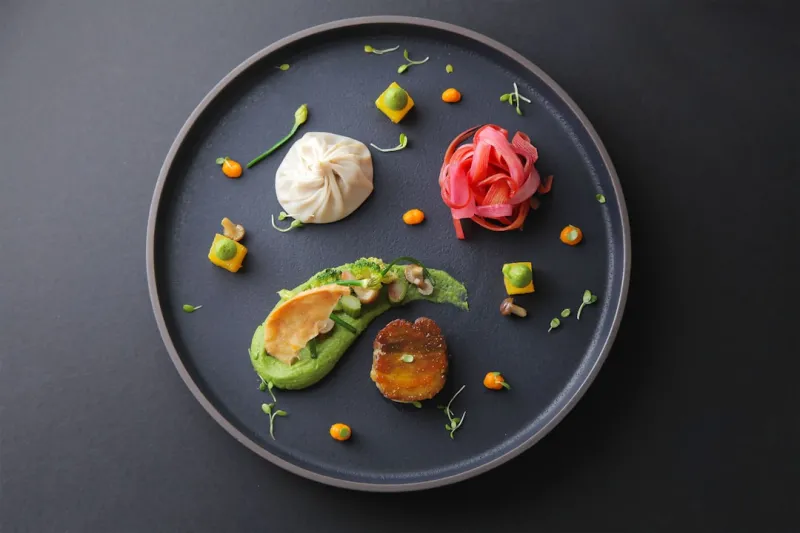
The Pursuit of Gastronomic Excellence: A Journey Through the World's Best Restaurants
Join me on a culinary journey through the world's best restaurants, where exceptional fine dining experiences await. From elegant eateries to avant-garde establ...Read More
Restaurant Road Trips: Crafting Unforgettable Culinary Journeys
Explore the art of restaurant road trips, where each stop offers a unique flavor story, practical planning tips, and memorable culinary experiences....Read More
AI‑Powered Personalization: How Restaurants Tailor Menus to Every Palate
Explore the rise of AI-driven menu personalization, its benefits for diners and kitchens, and the future of tech‑enhanced hospitality....Read More
Tech‑Infused Dining: The Restaurants Turning Meals into Interactive Adventures
Discover the rise of tech‑infused restaurants where augmented reality menus, projection‑mapped plates, and robotic service turn meals into interactive adven...Read More
0 Comments
Post Comment
You will need to Login or Register to comment on this post!