
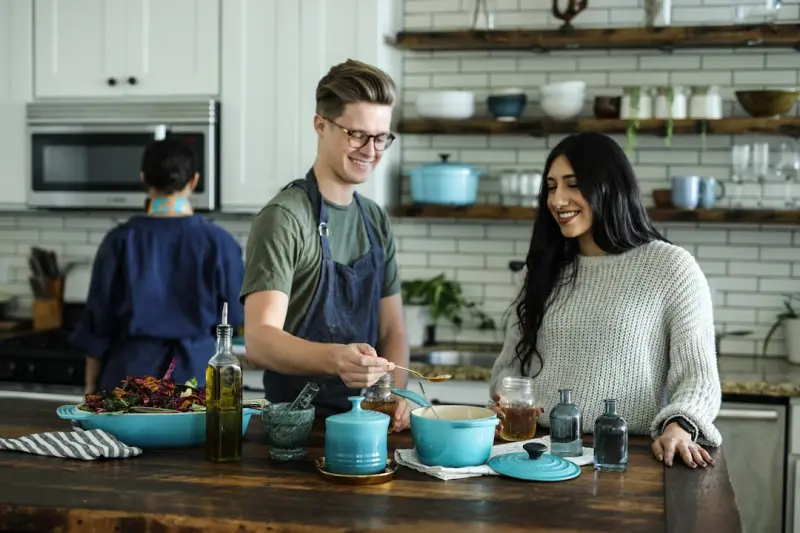
Why Collaboration Is the Next Ingredient on the Menu
Imagine stepping into a restaurant not as a passive consumer, but as an active co‑author of the night’s culinary story; that shift from spectator to participant is reshaping how we think about dining and turning the traditional chef‑driven model on its head. The rise of collaborative kitchens is fueled by diners craving authentic connection, a desire to see their preferences reflected in real time, and a growing belief that great food thrives on shared imagination rather than solitary genius. Restaurants that invite guests to shape dishes are tapping into a powerful mix of community building, brand loyalty, and creative experimentation, turning each service into a living laboratory where flavor, culture, and conversation intersect.
From Idea to Plate: How Collaborative Workshops Unfold
Most collaborative experiences begin with a structured workshop where a small group of patrons gathers around the chef’s counter, armed with notebooks, taste buds, and a willingness to experiment, and the conversation quickly moves from abstract cravings to concrete ingredient pairings. The chef presents a palette of seasonal produce, heritage spices, and unconventional textures, then guides participants through a rapid‑fire brainstorming session that captures wild ideas, nostalgic memories, and even bold “what‑if” scenarios, all while the kitchen staff prepares mini‑tasting stations that bring those concepts to life within minutes. By the end of the two‑hour session, the team distills the most compelling suggestions into a prototype menu, assigns each dish a name that reflects the collaborative spirit, and promises to feature the creations during a limited‑time pop‑up or a special dinner service, turning the workshop’s output into a tangible, shareable experience for the wider public.
Real‑World Success Stories That Prove the Model Works
One downtown bistro launched a quarterly “Chef‑and‑You” series where regulars helped design a five‑course tasting menu; the resulting dishes—like a miso‑glazed carrot tartlet inspired by a patron’s childhood garden—quickly became house signatures and drove a 30 % increase in repeat reservations during the launch month. Another coastal eatery paired its foraging program with a community tasting lab, inviting locals to sample wild herbs collected that morning and vote on the best pairings; the top‑ranked combinations formed the basis of a seasonal “Coast‑to‑Table” menu that earned rave reviews and a surge in social media mentions, demonstrating how crowd‑sourced flavor discovery can amplify a restaurant’s reputation. Even a high‑end tasting room experimented with a “menu‑by‑mail” concept, sending ingredients to select diners who then co‑created recipes via video chat, later presenting the final dishes at an exclusive dinner that blended virtual collaboration with in‑person execution, proving that geography is no longer a barrier to culinary co‑creation.
Designing Menus with a Collaborative Lens
The act of co‑creating a menu forces restaurants to rethink layout, language, and pricing in ways that align with the collective voice of their diners, a process that dovetails neatly with insights from menu psychology research; for instance, menus born from workshops often feature story‑driven headings, transparent sourcing notes, and pricing structures that reflect shared value rather than unilateral chef decisions. By embedding guest narratives directly into dish descriptions, restaurants create a sense of ownership that encourages patrons to linger longer, share photos, and recommend the experience to friends, turning the menu itself into a conversational catalyst. Moreover, the collaborative approach generates a dynamic feedback loop—each new iteration of the menu is tested, refined, and re‑released based on real‑world reactions, ensuring that the offerings stay fresh, relevant, and deeply resonant with the community they serve.
Leveraging Guest Insight Beyond the Kitchen
The collaborative model amplifies the power of guest feedback by moving it from post‑dining surveys to real‑time, participatory design, allowing chefs to capture nuance that traditional comment cards often miss, such as texture preferences, aroma associations, or cultural references that spark emotional connections with a dish. When diners see their ideas materialize on the plate, the sense of validation fuels a virtuous cycle of enthusiasm, prompting them to provide even richer, more detailed input for future sessions, and fostering a community of brand ambassadors who proudly share their contributions on social platforms. This proactive engagement also equips restaurants with a treasure trove of qualitative data that can be segmented by demographic, occasion, or taste profile, enabling highly targeted marketing campaigns and personalized outreach that feel less like generic promotions and more like genuine invitations to co‑create again.
Overcoming the Practical Hurdles of Co‑Creation
While the collaborative kitchen concept is alluring, it does present logistical challenges that require thoughtful solutions, such as managing kitchen capacity during workshops, ensuring food safety when multiple hands handle ingredients, and balancing creative freedom with operational consistency; many establishments mitigate these concerns by allocating a dedicated “innovation station” equipped with separate prep areas, trained sous‑chefs, and a clear set of guidelines that outline the scope of guest participation. Pricing the experience can also be tricky, as restaurants must recoup the added labor and ingredient costs without alienating diners; a common strategy involves framing the workshop as a premium ticketed event that includes a multi‑course tasting, a behind‑the‑scenes tour, and a keepsake recipe card, thereby delivering perceived value that justifies the cost. Finally, ensuring that the collaborative output aligns with the restaurant’s brand identity requires a skilled moderator who can translate diverse ideas into cohesive dishes while preserving the establishment’s culinary ethos, striking a balance between democratic creativity and curated excellence.
Future Trends: Tech‑Enhanced Collaboration and Beyond
Looking ahead, emerging technologies promise to deepen the collaborative experience, from AI‑driven flavor pairing tools that suggest ingredient combos based on real‑time guest input, to immersive virtual reality tastings that allow participants to explore a dish’s visual and aromatic profile before it even reaches the palate, blurring the line between imagination and reality. Mobile apps are already being piloted to capture on‑the‑fly feedback during service, instantly translating comments into data points that chefs can experiment with in the next service, while blockchain‑based provenance tracking offers diners transparent insight into the exact origin of every component they helped select, further cementing trust and connection. As these innovations mature, we can expect collaborative kitchens to evolve into fully participatory ecosystems where diners, chefs, and technology co‑author menus in a continuous, data‑rich dialogue that reshapes the very definition of what a restaurant can be.
Closing Thoughts: Join the Conversation at Your Table
The shift toward collaborative menu creation is more than a gimmick; it’s a cultural movement that empowers diners, sparks culinary innovation, and builds resilient communities around shared flavor experiences, inviting everyone to step beyond the role of consumer and into the realm of creator. Whether you’re a restaurateur looking to revitalize your brand, a food lover craving deeper engagement, or a curious participant eager to leave a tangible mark on the next plate you enjoy, the invitation is now open—sign up for a workshop, share your palate’s story, and watch as your ideas transform into unforgettable dishes that reflect the collective spirit of the table. In this new era of dining, the most delicious recipes are the ones we write together.

Becky Putman is an Ottawa-based freelance writer and marketing professional with a passion for storytelling, animals, and community involvement. She enjoys creating engaging content that informs, inspires, and connects with readers.
Related Posts

How Sound Shapes the Restaurant Experience
Discover why the right soundtrack and thoughtful acoustics can elevate a meal from ordinary to unfor... Read More

From Points to Experiences: How Modern Loyalty Programs Are Redefining Restaurant Relationships
Explore the evolution of restaurant loyalty—from simple point cards to immersive experiences, comm... Read More
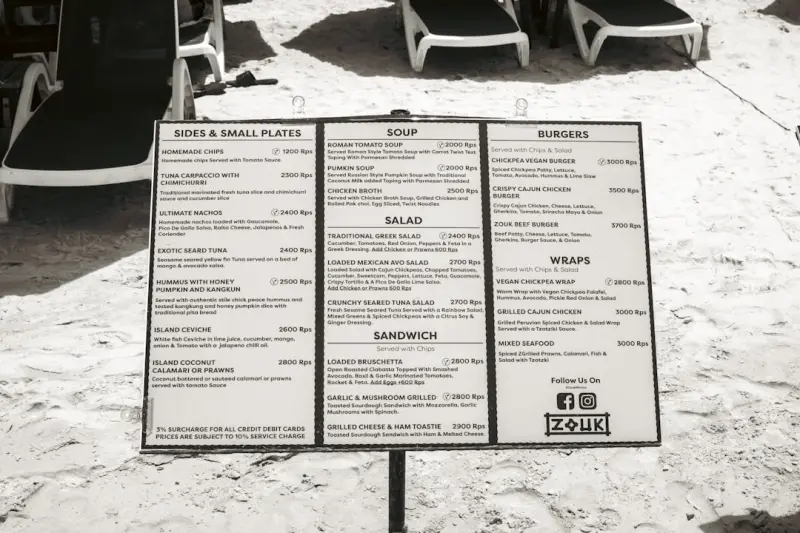
The Psychology Behind Restaurant Menus: How Design Drives Your Choices
Explore the hidden tactics restaurants use in menu design—fonts, layout, and descriptions—to gui... Read More
Top Posts
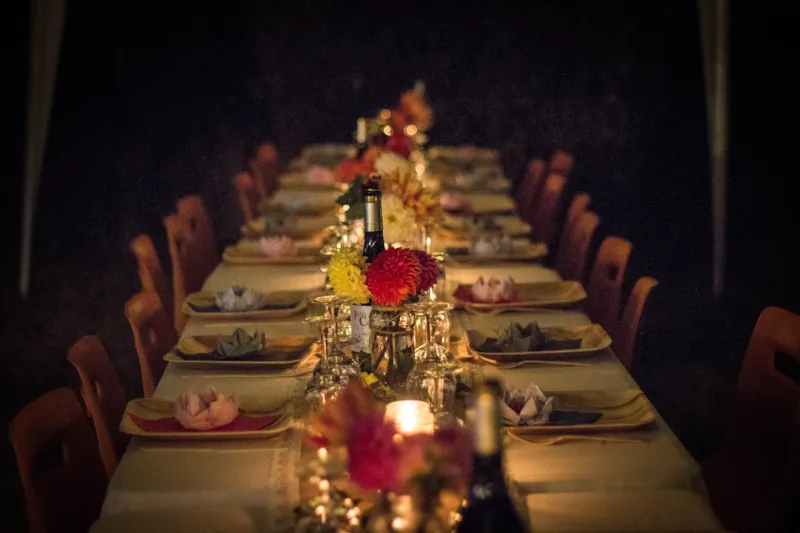
When Fine Dining Becomes a Storytelling Feast
Discover the evolution of fine dining into immersive storytelling, where each dish becomes a narrative, inviting diners to become co‑authors of their culinary...Read More
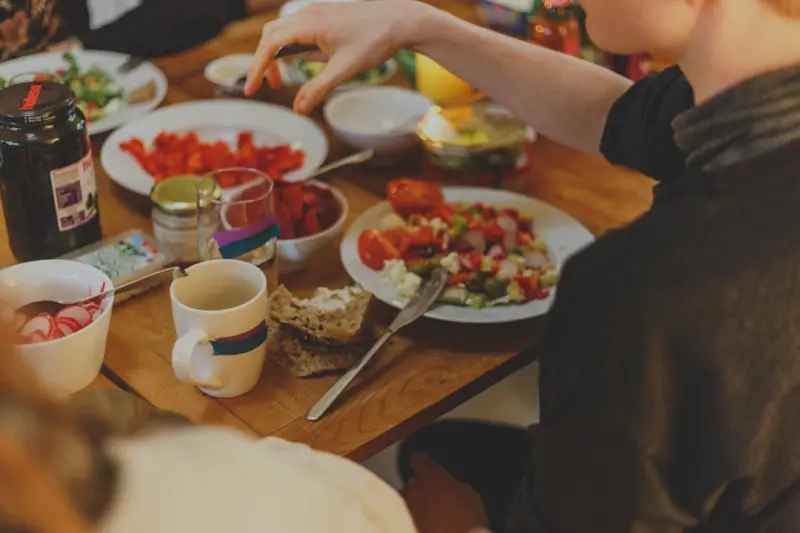
Eating Like a Neighbor: Discovering Community‑Focused Restaurants
Find the best community‑focused eateries where shared tables, local pop‑ups, and inclusive menus turn meals into genuine neighborhood experiences....Read More

Rose DesRochers’ Top Picks: The Best Restaurants of 2024
Rose DesRochers reveals her 2024 restaurant favorites, from intimate New York spots to hidden Portland gems, emphasizing flavor, sustainability, and innovative ...Read More

The Art of Tableware: Redefining Fine Dining Through Design
Discover how cutting‑edge tableware design is turning dishes into immersive stories, blending sustainability, technology, and artistry in fine dining....Read More
0 Comments
Post Comment
You will need to Login or Register to comment on this post!