
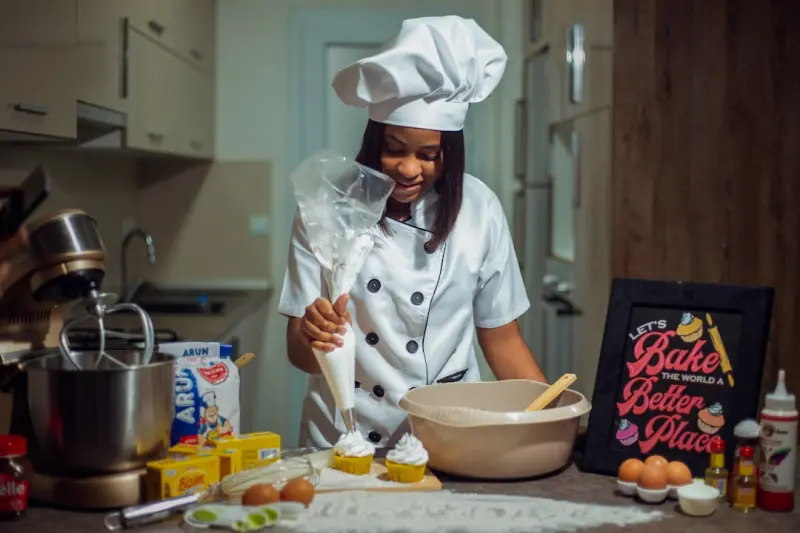
Why the Chef’s Personality Is the New Menu
When I first walked into a tiny, unmarked eatery tucked behind a laundromat, I expected a modest bite and left feeling oddly inspired. The chef, a former street‑musician turned culinary alchemist, greeted each table with stories that felt like verses of a song, turning the ordinary act of ordering into a personal performance. That moment taught me that the best restaurants now sell a personality as much as a plate, and it’s this intimate connection that keeps diners coming back for more.
The Rise of Hyper‑Local Pop‑Up Residencies
Across the city, chefs are swapping permanent brick‑and‑mortar spaces for short‑term pop‑up residencies that pop up in vacant storefronts, community centers, and even rooftop gardens, each lasting only a few weeks before the next culinary adventure begins. This model allows chefs to experiment wildly without the overhead of a traditional lease, while diners get a constantly refreshed dining experience that feels exclusive and urgent. The result is a vibrant tapestry of temporary “restaurants” that pulse with the energy of the neighborhoods they inhabit.
Chef‑Driven Social Media as a Magnetic Pull
Social platforms have turned chefs into modern‑day troubadours, broadcasting their pop‑up schedules, behind‑the‑scenes prep, and personal anecdotes to followers who feel compelled to chase the next culinary clue. A single Instagram story can fill a 30‑seat pop‑up within hours, turning a modest kitchen into a cultural hotspot overnight. This digital word‑of‑mouth replaces traditional advertising, proving that authentic, personality‑led content is the most persuasive marketing tool for today’s best dining spots.
Economic Ripple Effects in Neighborhoods
When a chef sets up a temporary kitchen in an underused building, the surrounding businesses – from corner coffee shops to local boutiques – experience a surge in foot traffic, creating a micro‑economy that thrives on curiosity and community participation. Local farmers and artisans benefit from the chef’s demand for hyper‑local ingredients, forging partnerships that might never have formed under a conventional restaurant model. This symbiotic relationship not only enriches the culinary scene but also strengthens the fabric of the neighborhood itself.
Conversational Service Elevates the Experience
In these pop‑up environments, servers often double as storytellers, guiding guests through the chef’s vision with a conversational tone that feels more like a friendly chat than a formal exchange. This approach mirrors the insights from conversational service, where the line between staff and patron blurs, fostering a relaxed atmosphere that encourages curiosity and repeat visits. By turning service into dialogue, restaurants create memorable moments that linger long after the last bite.
Hyper‑Local Sourcing: From Farm to Table in Minutes
Instead of relying on distant supply chains, pop‑up chefs partner with nearby farms, community gardens, and even rooftop growers to secure ingredients that are harvested literally minutes before they hit the plate. This immediacy not only guarantees peak freshness but also allows menus to pivot daily based on what the soil yields, delivering a dining experience that feels both spontaneous and deeply rooted in place. Diners leave with a tangible sense of having tasted the season at its most authentic.
Balancing Creativity with Sustainable Practices
While the pop‑up model offers creative freedom, it also poses challenges in waste management, energy use, and staffing continuity; chefs must devise clever strategies to minimize their environmental footprint without sacrificing innovation. Some adopt the ghost‑kitchen model for prep work, using shared commercial kitchens to reduce equipment redundancy and energy consumption. By integrating sustainability into their core philosophy, these restaurants prove that culinary excellence and responsibility can coexist.
The Power of Community Storytelling
Every pop‑up becomes a chapter in a larger narrative, with diners contributing their own anecdotes, photos, and reviews that weave into the chef’s evolving story. This collective storytelling turns a single meal into a shared cultural artifact, fostering a sense of ownership among patrons who feel they are part of something bigger than a fleeting dinner. The resulting loyalty is organic, built on personal connection rather than generic reward programs.
Where to Find the Next Hidden Gem
If you’re hungry for an adventure, keep an eye on local art boards, neighborhood newsletters, and the chef’s social feeds for announcements of the next pop‑up residency. Arrive early, bring an open mind, and be ready to engage with the chef’s story – it’s the secret ingredient that transforms a simple bite into an unforgettable experience. By chasing these fleeting culinary moments, you’ll discover that the best restaurants aren’t just places to eat; they’re living, breathing collaborations between chef, community, and curious diners.

Becky Putman is an Ottawa-based freelance writer and marketing professional with a passion for storytelling, animals, and community involvement. She enjoys creating engaging content that informs, inspires, and connects with readers.
Related Posts
The Best Restaurants That Turn Meals Into Memorable Stories
A flavor‑first journey through the hottest eateries, revealing how the best restaurants turn each ... Read More
Becky Putman's 2024 Foodie Forecast: The Best Restaurants You Can't Miss
Becky Putman reveals the 2024 restaurant renaissance, highlighting hidden gems, flavor‑first dishe... Read More
Community‑Centric Restaurants: Why Local Hubs Are the New Culinary Gold
Discover why the best restaurants today act as community hubs—offering shared spaces, local collab... Read More
Top Posts
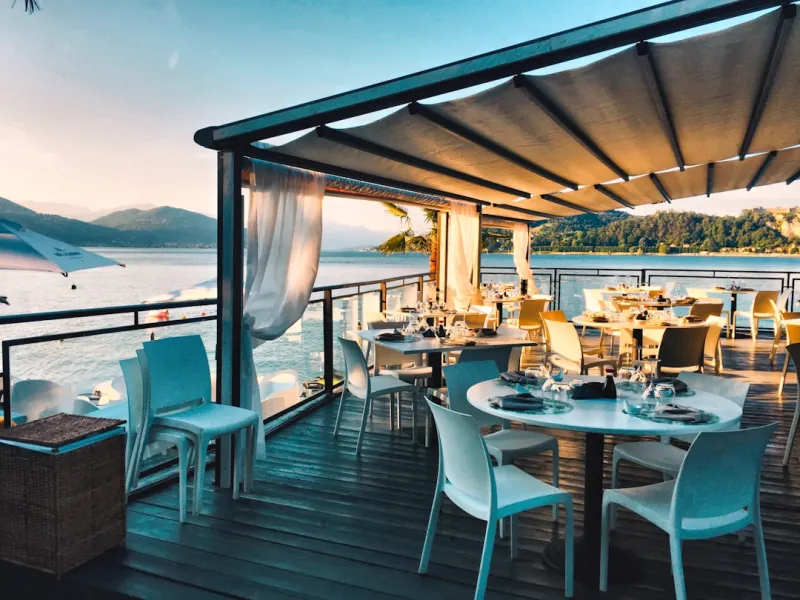
Fine Dining in 2024: Rose DesRochers’ Vision for Flavor, Story, and Innovation
Rose DesRochers reveals how fine dining in 2024 fuses narrative menus, cutting‑edge tech, and sustainable practices to create immersive, story‑driven culina...Read More
Beyond the Plate: How Storytelling Redefines Fine Dining
Fine dining is evolving beyond flavors; chefs now craft edible narratives, turning each course into a story that engages senses, sparks conversation, and builds...Read More
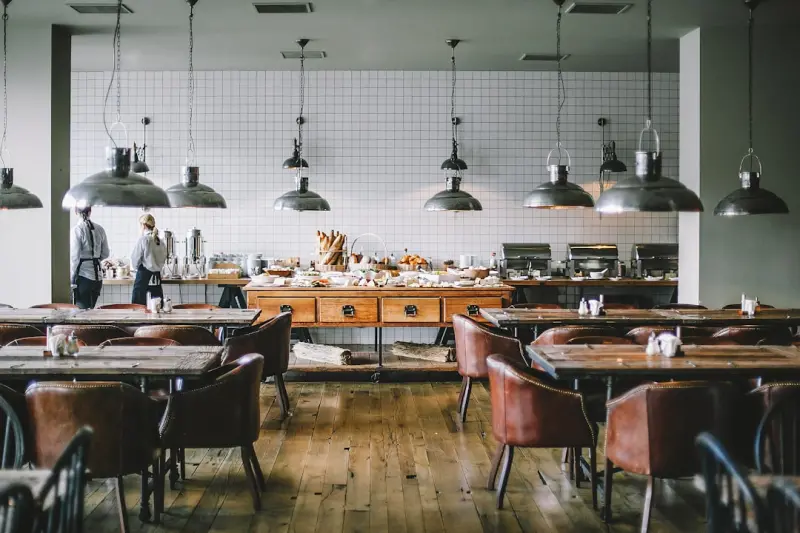
The Allure of Pop‑Up Restaurants: Why Temporary Kitchens Are Worth the Hunt
Explore the excitement of pop‑up restaurants—temporary venues that deliver experimental menus, unique settings, and unforgettable dining stories you won’t...Read More
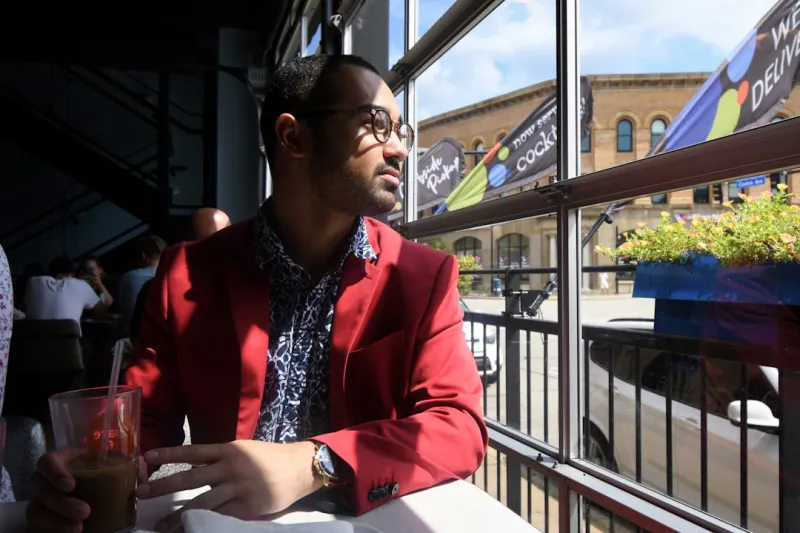
Rose DesRochers’ 2024 Restaurant Renaissance: A Personal Journey Through the Best Tables
Rose DesRochers guides you through 2024’s most exciting restaurants, highlighting flavor storytelling, sustainability, and community‑driven dining in an int...Read More
0 Comments
Post Comment
You will need to Login or Register to comment on this post!